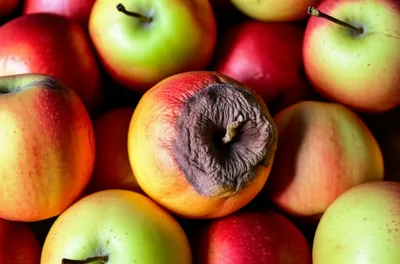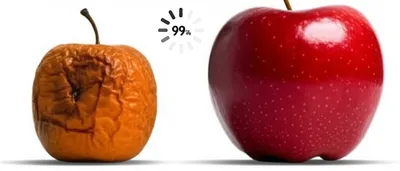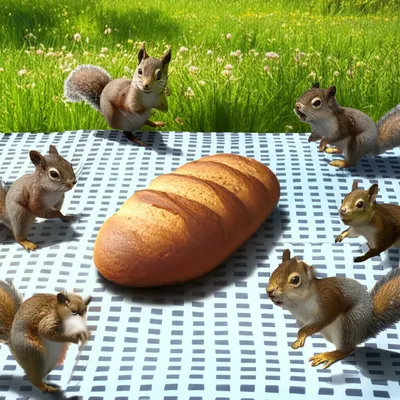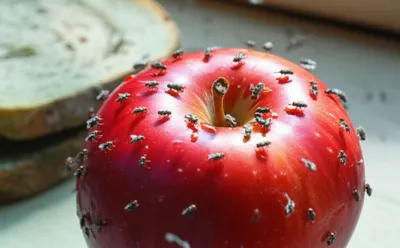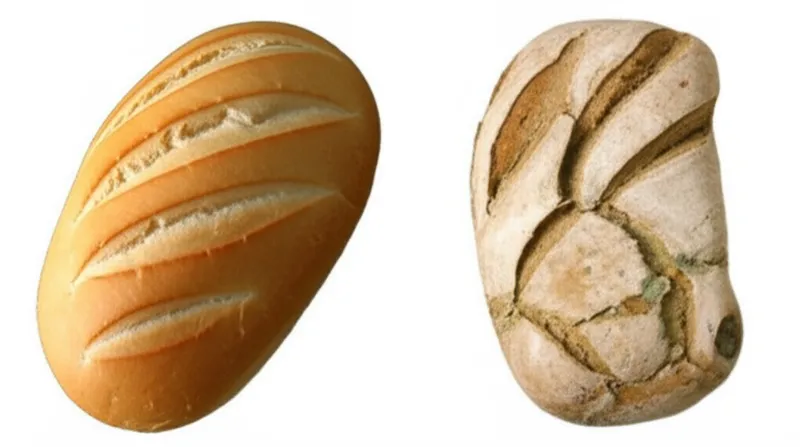

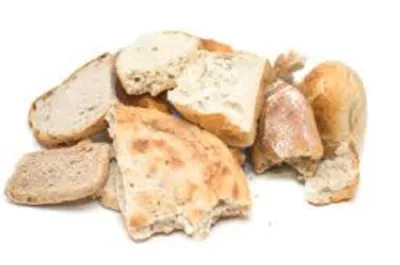

noun🔗Share古くなったパンSomething stale; a loaf of bread or the like that is no longer fresh."The stale bread was left on the counter, so we didn't eat it for lunch. "古くなったパンがカウンターに置かれていたので、昼食には食べませんでした。foodconditionChat with AIVocabulary GamePractice Reading
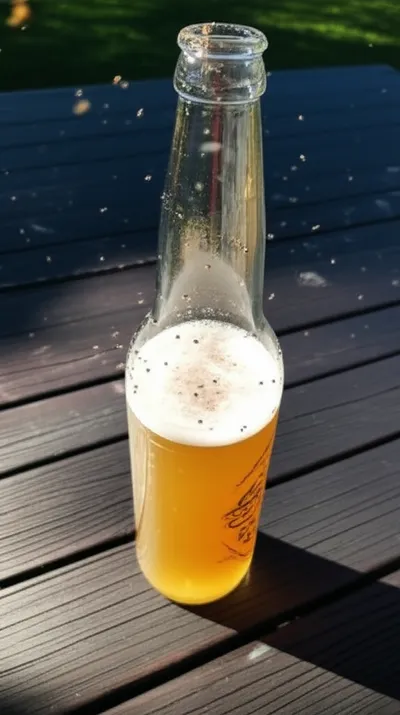
verb🔗Share古くする(of alcohol) To make stale; to age in order to clear and strengthen (a drink, especially beer)."The brewer will stale the ale in oak casks for six months to improve its clarity and potency before selling it. "醸造者は、販売する前に、その透明度と効力を高めるために、オーク樽でエールを6ヶ月間古くします。drinkfoodprocessChat with AIVocabulary GamePractice Reading
verb🔗Share古くする, 陳腐化する, 飽きさせるTo make stale; to cause to go out of fashion or currency; to diminish the novelty or interest of, particularly by excessive exposure or consumption."The constant repetition of the same math problems in class staleled the students' interest in the subject. "授業で同じ数学の問題を繰り返し解くことで、生徒たちのその科目への興味は薄れていった。stylefoodentertainmentmediacultureChat with AIVocabulary GamePractice Reading
verb🔗Share古くなる, 悪くなるTo become stale; to grow odious from excessive exposure or consumption."The constant repetition of the same lunch menu at school made the sandwiches stale. "学校で同じランチメニューを繰り返すことで、サンドイッチは古くなった。foodconditionChat with AIVocabulary GamePractice Reading
verb🔗Share古くなる, 悪くなる(alcohol) To become stale; to grow unpleasant from age."The wine had stale over the past few months, losing its flavour and becoming unpleasant to drink. "ワインはここ数ヶ月で古くなり、風味が失われ、飲みにくくなりました。drinkfoodchemistryChat with AIVocabulary GamePractice Reading
adjective🔗Share澄んだ、古くて強い(alcohol) Clear, free of dregs and lees; old and strong."The cellar held bottles of stale ale, aged for decades and potent enough to knock you off your feet. "その地下室には、何十年も熟成され、足元をふらつかせるほど強力な、澄んだ古いエールの瓶が保管されていた。drinkagefoodChat with AIVocabulary GamePractice Reading
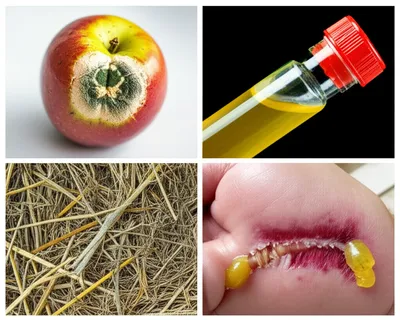
adjective🔗Share古くなった, 乾いたNo longer fresh, in reference to food, urine, straw, wounds, etc."The bread was stale, so I didn't eat it for breakfast. "パンが古くなっていたので、朝食には食べませんでした。foodconditionChat with AIVocabulary GamePractice Reading
adjective🔗Share古臭い, 陳腐な, 時代遅れのNo longer fresh, new, or interesting, in reference to ideas and immaterial things; cliche, hackneyed, dated."The comedian's jokes were stale and predictable, so the audience didn't laugh. "コメディアンのジョークは古臭く、ありきたりだったので、観客は笑わなかった。stylelanguagemindqualityChat with AIVocabulary GamePractice Reading
adjective🔗Share時代遅れの, 旬を過ぎたNo longer nubile or suitable for marriage, in reference to people; past one's prime."Aunt Agnes, though charming, was considered stale by the neighborhood matchmakers; she was simply no longer considered a suitable candidate for marriage. "アグネスおばさんは魅力的だったものの、近所の仲人たちからは時代遅れと見なされていました。彼女はもはや結婚の適任者とは見なされなかったのです。agepersonfamilysexChat with AIVocabulary GamePractice Reading
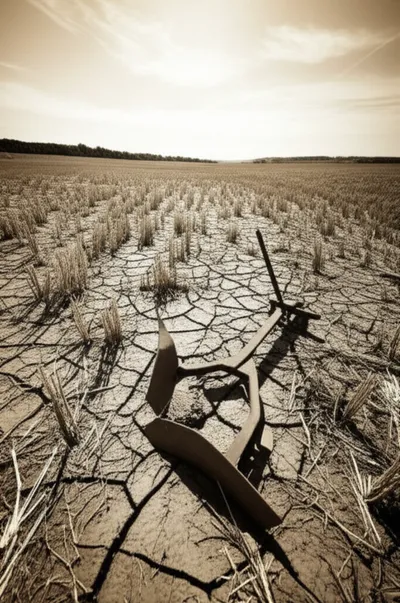
adjective🔗Share休耕のFallow, in reference to land."After years of yielding poor harvests, the farmer decided to let the field lie stale for a season to replenish its nutrients. "長年不作が続いた後、農夫は土壌の栄養を回復させるために、その畑を休耕にして一シーズン寝かせることにした。agricultureChat with AIVocabulary GamePractice Reading
adjective🔗Share古くなった、陳腐なUnreasonably long in coming, in reference to claims and actions."a stale affidavit"古くなった宣誓供述書lawpoliticsactionattitudetimeChat with AIVocabulary GamePractice Reading
adjective🔗Share停滞した, 古くなったTaking a long time to change"The political debate on healthcare has been a stale issue, dragging on for years without significant progress. "医療に関する政治 debate は、長年大きな進展もなく停滞した問題となっている。timeconditionChat with AIVocabulary GamePractice Reading
adjective🔗Share疲れ切った, へたばったWorn out, particularly due to age or over-exertion, in reference to athletes and animals in competition."The marathon runner felt stale after weeks of intense training. "マラソンランナーは、何週間もの激しいトレーニングの後、疲れ切ったと感じた。sportanimalphysiologyconditionChat with AIVocabulary GamePractice Reading
adjective🔗Share古くなった、期限切れの、不渡りのOut of date, unpaid for an unreasonable amount of time, particularly in reference to checks.""The cashier wouldn't accept the check because it was six months old and considered stale." "レジ係は、その小切手が6ヶ月前のものだったため、不渡りとして受け付けませんでした。businessfinanceChat with AIVocabulary GamePractice Reading
adjective🔗Share古い、時代遅れのOf data: out of date; not synchronized with the newest copy."The bug was found to be caused by stale data in the cache."このバグは、キャッシュ内の古いデータが原因であることが判明しました。computingtechnologyinternetinfoChat with AIVocabulary GamePractice Reading
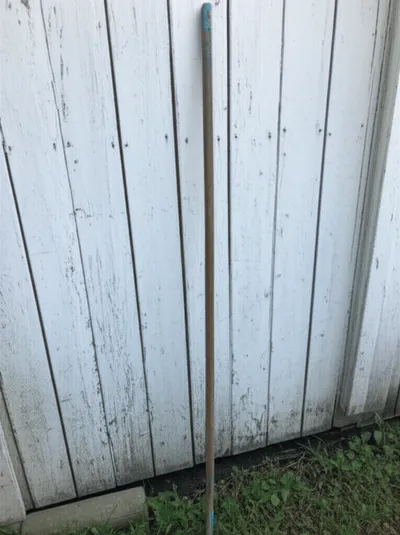
noun🔗Share柄A long, thin handle (of rakes, axes, etc.)"The farmer gripped the stale of his hoe, ready to till the field before the sun got too high. "農夫は、太陽が高くなりすぎる前に畑を耕す準備をして、自分の鍬の柄を握りしめた。partutensilChat with AIVocabulary GamePractice Reading
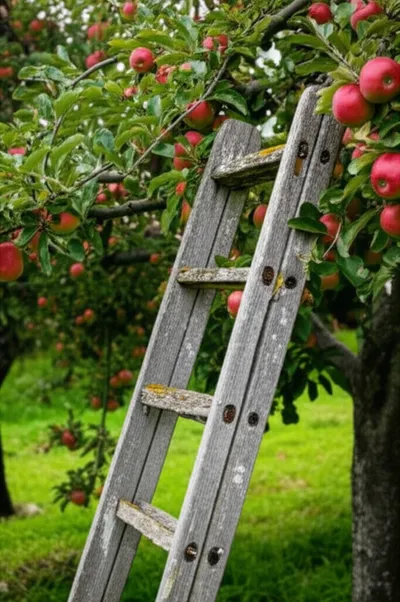
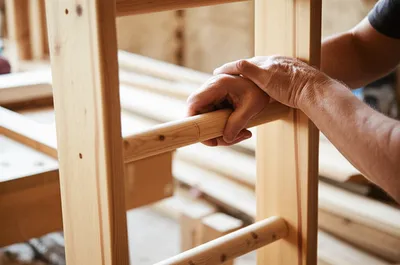
noun🔗Share梯子の柱と段The posts and rungs composing a ladder."The carpenter carefully inspected the stale of the ladder before starting repairs. "大工は修理を始める前に、梯子の柱と段を注意深く検査しました。architecturepartbuildingChat with AIVocabulary GamePractice Reading
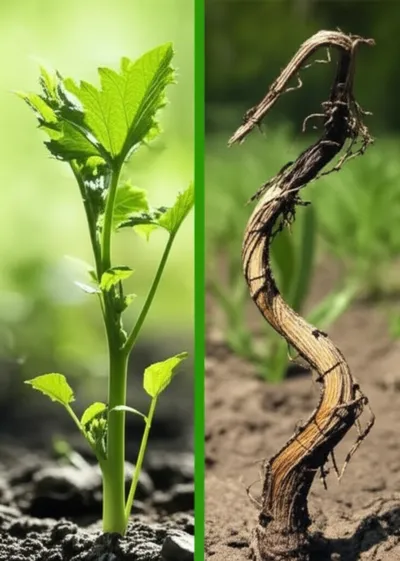
noun🔗Share茎The stem of a plant."The plant's stale was too short to support the weight of the flower. "植物の茎は、花の重さを支えるには短すぎた。plantpartbiologyChat with AIVocabulary GamePractice Reading
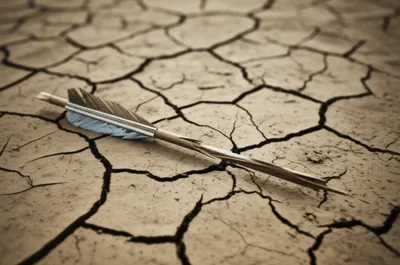
noun🔗Share矢柄The shaft of an arrow, spear, etc."The craftsman carefully examined the stale of the newly made arrow for any imperfections. "職人は、新しく作られた矢の矢柄に欠陥がないか注意深く調べました。weaponpartChat with AIVocabulary GamePractice Reading
verb🔗Share梯子をかけるTo make a ladder by joining rungs ("stales") between the posts."The carpenter stale the ladder for the repair job, joining the rungs between the wooden posts. "大工は修理作業のため、木製の柱の間に梯子をかけました。architecturestructurebuildingChat with AIVocabulary GamePractice Reading
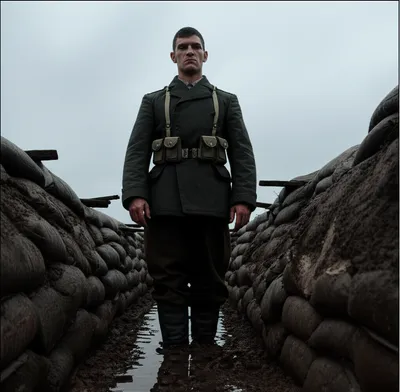
noun🔗Share持ち場, 配置A fixed position, particularly a soldier's in a battle-line."The soldiers maintained their stale, awaiting the signal to advance. "兵士たちは前進の合図を待ちながら、持ち場を維持した。militarypositionwarChat with AIVocabulary GamePractice Reading
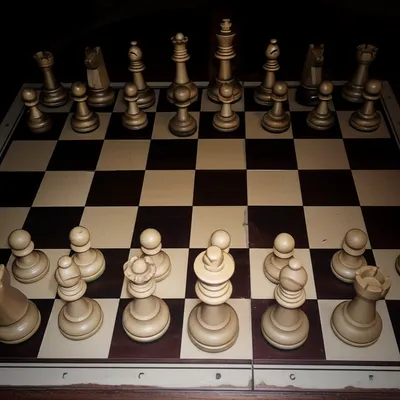
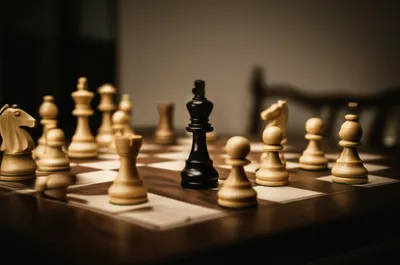
noun🔗Share行き詰まり、ステイルメイトA stalemate; a stalemated game."The chess match ended in a stale after two hours, neither player able to make a winning move. "チェスの試合は2時間後に行き詰まりとなり、どちらのプレイヤーも勝つ手を打てなかった。gameChat with AIVocabulary GamePractice Reading
noun🔗Share待ち伏せ, 待ち伏せ攻撃An ambush."The rebels prepared a stale in the forest, hoping to surprise the approaching soldiers. "反乱軍は、近づいてくる兵士たちを驚かせようと、森の中で待ち伏せ攻撃を準備した。militarywaractionChat with AIVocabulary GamePractice Reading
noun🔗Share一団, 一味A band of armed men or hunters."The local farmers formed a stale to protect their crops from the wild boar. "地元の農民は、イノシシから作物を守るために一団を組織した。militarygroupChat with AIVocabulary GamePractice Reading
noun🔗Share主力, 主力部隊The main force of an army."The stale of the army's invasion force marched toward the city. "軍の侵攻部隊の主力は都市に向かって行進した。militaryChat with AIVocabulary GamePractice Reading
verb🔗Share行き詰まらせるTo stalemate."The negotiations between the teachers and the school board stale because neither side would compromise. "教師と学校理事会の間の交渉は、どちらの側も妥協しようとしなかったため、行き詰まった。gamesportstateChat with AIVocabulary GamePractice Reading
verb🔗Share行き詰まる, 膠着するTo be stalemated."The debate about who gets the last slice of pizza completely stalled; the discussion became stale. "最後のピザのスライスの所有権を巡る議論は完全に膠着し、議論は行き詰まった。statepoliticsgovernmentsituationChat with AIVocabulary GamePractice Reading
adjective🔗Share行き詰まりの、膠着状態のAt a standstill; stalemated."The project was stale; no new ideas were being generated. "そのプロジェクトは行き詰まっており、新しいアイデアは生み出されていなかった。conditionsituationChat with AIVocabulary GamePractice Reading
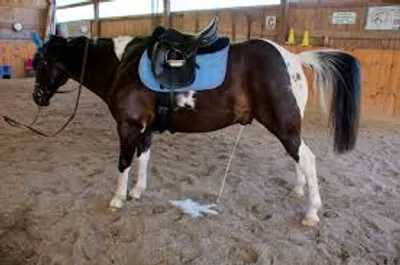
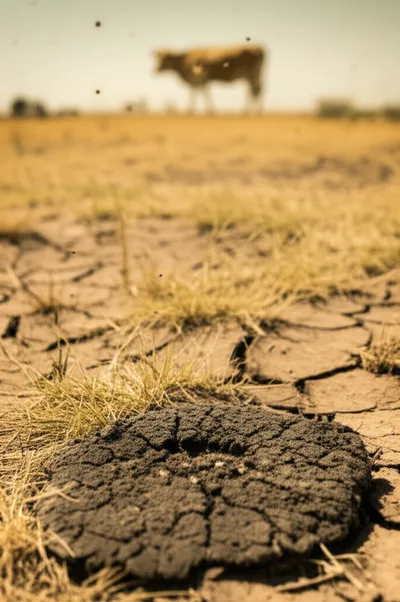
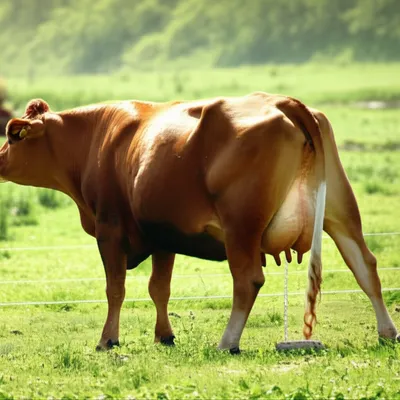
noun🔗Share尿(livestock) Urine, especially used of horses and cattle."The farmer carefully avoided the area where the horses had deposited their stale. "農夫は、馬が尿を排出した場所を注意深く避けた。animalphysiologyagriculturebiologyChat with AIVocabulary GamePractice Reading
verb🔗Share排尿する(livestock) To urinate, especially used of horses and cattle."The old mare will often stale right after she finishes drinking from the trough. "老いた雌馬は、水槽から飲み終えた直後に排尿することがよくあります。animalphysiologyChat with AIVocabulary GamePractice Reading
noun🔗Share囮A live bird to lure birds of prey or others of its kind into a trap."The falconer carefully positioned the stale, hoping its calls would attract a wild hawk. "鷹匠は、その囮の鳴き声が野生の鷹を引きつけることを願って、注意深く配置した。animalbirdChat with AIVocabulary GamePractice Reading
noun🔗ShareおとりAny lure, particularly in reference to people used as live bait."The detective used the young man as a stale, hoping to catch the real criminal. "刑事は、真犯人を捕まえようと、その若者を囮として利用した。humanpersonChat with AIVocabulary GamePractice Reading
noun🔗Shareおとり, 共犯者An accomplice of a thief or criminal acting as bait."The police arrested the thief and his stale, who had lured the victim into the trap. "警察は、被害者を罠におびき寄せた泥棒とその共犯者を逮捕した。policepersonjobChat with AIVocabulary GamePractice Reading
noun🔗Share捨てられた人、振られた人A partner whose beloved abandons or torments him in favor of another."After Sarah broke up with him, Mark felt like a stale; he was left feeling unwanted and rejected. "サラが彼と別れた後、マークは捨てられた人のように感じました。彼は望まれず、拒絶されたと感じました。personliteraturecharacterhumansufferingemotionstoryChat with AIVocabulary GamePractice Reading
noun🔗Shareスケープゴート, いいように使われる人A patsy, a pawn, someone used under some false pretext to forward another's (usu. sinister) designs; a stalking horse."The new student was a stale for the popular group's plan to disrupt the school elections. "新しい生徒は、人気グループが学校の選挙を妨害する計画のスケープゴートだった。personcharacterpoliticsjobChat with AIVocabulary GamePractice Reading
noun🔗Share売春婦, 女郎A prostitute of the lowest sort; any wanton woman.sexpersonhumansocietyChat with AIVocabulary GamePractice Reading
noun🔗Share囮, おとりAny decoy, either stuffed or manufactured."The hunter placed a stale in the field to attract ducks. "狩人はアヒルをおびき寄せるために、その野原におとりを置いた。animalthinggameChat with AIVocabulary GamePractice Reading
verb🔗Shareおとりになる, 誘うTo serve as a decoy, to lure."The thief stalled the security guard by stale-ing a bag of garbage near the exit. "泥棒は出口の近くにゴミ袋をおとりにし、警備員を誘った。actionanimalgameChat with AIVocabulary GamePractice Reading