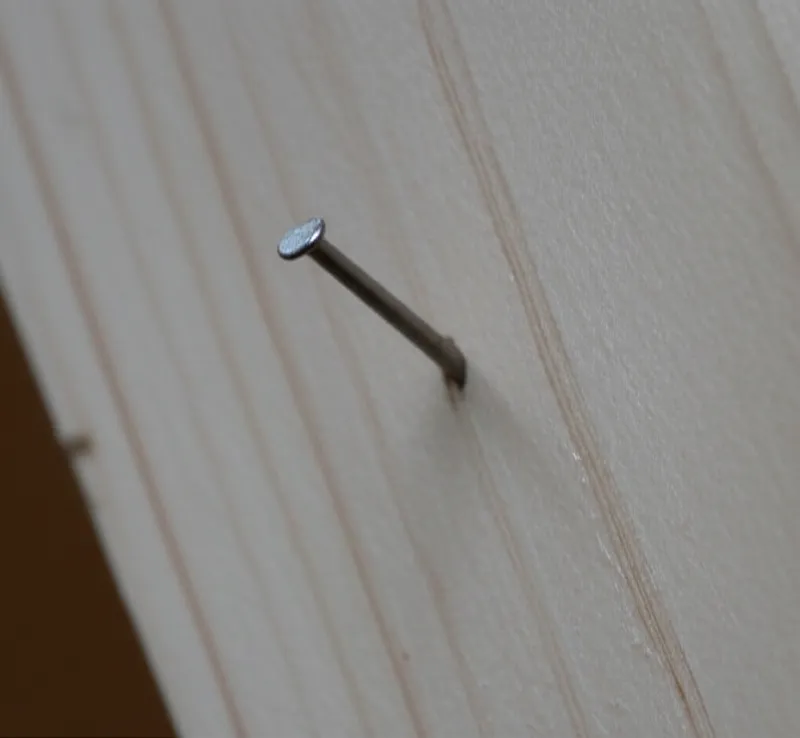
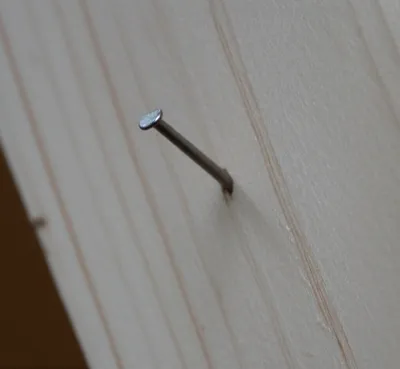
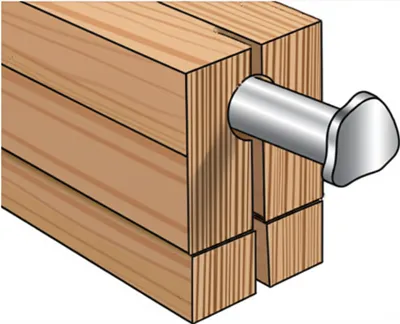
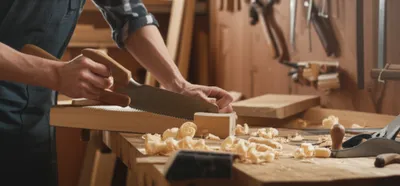
noun Télécharger 🔗Partager Clou à tête plate A thin, small nail, with a slight projection at the top on one side instead of a head, or occasionally with a small domed head, similar to that of an escutcheon pin. Examples : "The carpenter used a brad to attach the thin piece of trim to the model airplane wing, because a regular nail would have been too bulky. " Le menuisier a utilisé un clou à tête plate pour fixer la fine moulure à l'aile du modèle d'avion, car un clou normal aurait été trop volumineux. material item building Chat avec IAJeu de vocabulairePratiquer la lecture
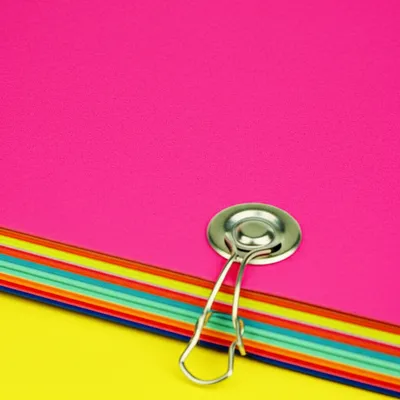
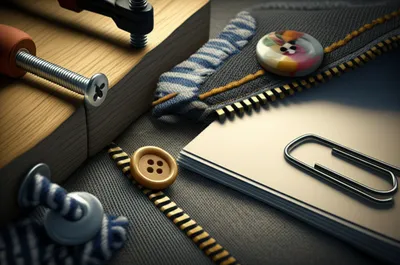
noun Télécharger 🔗Partager Attache parisienne (elementary school usage) A paper fastener, a fastening device formed of thin, soft metal, such as shim brass, with a round head and a flat, split shank, which is spread after insertion in a hole in a stack of pages, in much the same way as a cotter pin or a split rivet. Examples : "I used a brad to hold together the pages of my school project after I punched holes in them. " J'ai utilisé une attache parisienne pour maintenir les pages de mon projet scolaire ensemble après y avoir fait des trous. stationery material item utensil device Chat avec IAJeu de vocabulairePratiquer la lecture
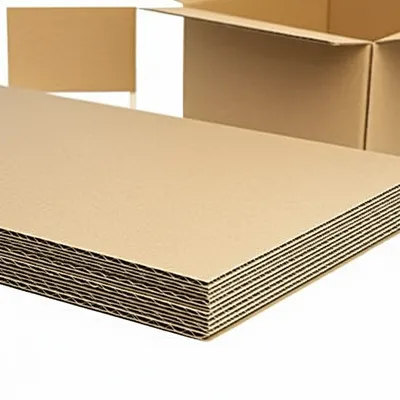
verb Télécharger 🔗Partager Agrafer avec une attache To attach using a brad. Examples : "She decided to brad the two pieces of cardboard together to make a simple hinge for her school project. " Elle a décidé d'agrafer les deux morceaux de carton ensemble pour faire une simple charnière pour son projet scolaire. technical technology action Chat avec IAJeu de vocabulairePratiquer la lecture
verb Télécharger 🔗Partager Refouler To upset the end of a rod inserted in a hole so as to prevent it from being pulled out, as when riveting. Examples : "The craftsman used a hammer to brad the rivet, securing the metal plate firmly in place. " L'artisan a utilisé un marteau pour refouler le rivet, fixant fermement la plaque métallique en place. technical machine industry Chat avec IAJeu de vocabulairePratiquer la lecture