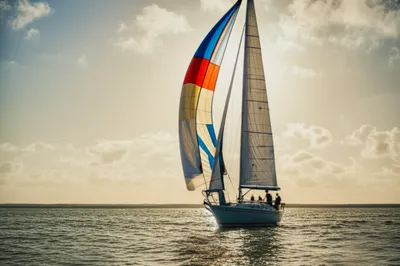
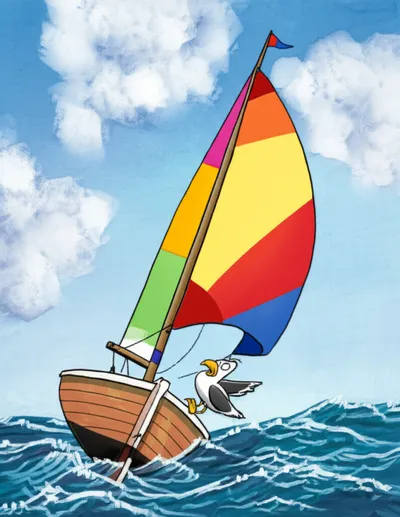
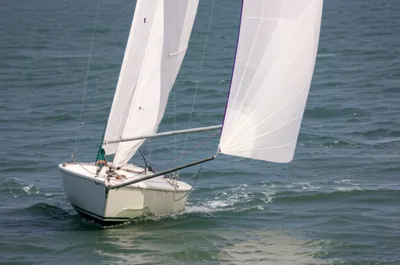
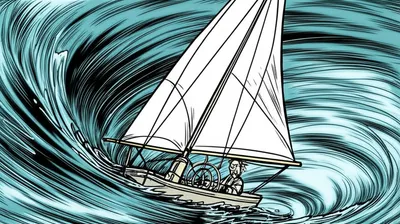
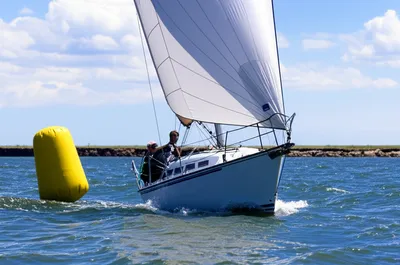
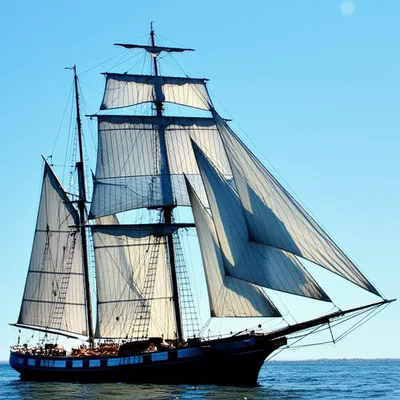
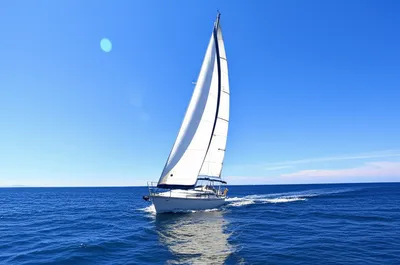
verb Herunterladen 🔗Teilen wenden To shift a fore-and-aft sail from one side of a sailing vessel to the other, while sailing before the wind. Examples : "As the wind shifted, the sailor gybed the mainsail to keep the boat moving downwind. " Als sich der Wind drehte, wendete der Segler das Großsegel, um das Boot vor dem Wind zu halten. nautical sailing vehicle Mit KI chattenVokabelspielÜbung: Lesen
verb Herunterladen 🔗Teilen wenden, überstag Of a fore-and-aft sail or its boom: to shift, often forcefully and suddenly, from one side of a sailing vessel to the other. Examples : "The sailboat gybed suddenly in the strong wind, causing the boom to swing across the deck. " Das Segelboot wendete plötzlich im starken Wind, wodurch der Baum über das Deck schwang. nautical sailing sport technical Mit KI chattenVokabelspielÜbung: Lesen
verb Herunterladen 🔗Teilen wenden Generally of a small sailing vessel: to change tack with the wind crossing behind the vessel. Examples : "The small sailboat gybed to avoid hitting the buoy, swinging its boom across the water. " Das kleine Segelboot wendete, um die Boje zu vermeiden, und schwang seinen Baum über das Wasser. nautical sailing vehicle sport Mit KI chattenVokabelspielÜbung: Lesen
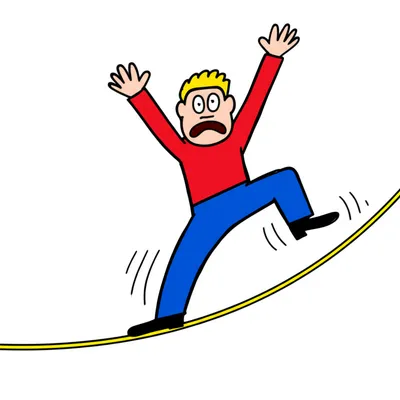
verb Herunterladen 🔗Teilen Zögern, schwanken (by extension) Often as gybe at: to balk, hesitate, or vacillate when faced with a course of action, plan, or proposal. Examples : ""He initially agreed to lead the project, but then gybed at the last minute when he realized the workload." " Er stimmte zunächst zu, das Projekt zu leiten, zögerte aber im letzten Moment, als er die Arbeitsbelastung erkannte. attitude action plan nautical sailing Mit KI chattenVokabelspielÜbung: Lesen
verb Herunterladen 🔗Teilen Wenden Alternative spelling of jibe Examples : "The sailboat gybed to catch the wind on the other side of the lake. " Das Segelboot wendete, um den Wind auf der anderen Seite des Sees zu fangen. nautical sailing Mit KI chattenVokabelspielÜbung: Lesen