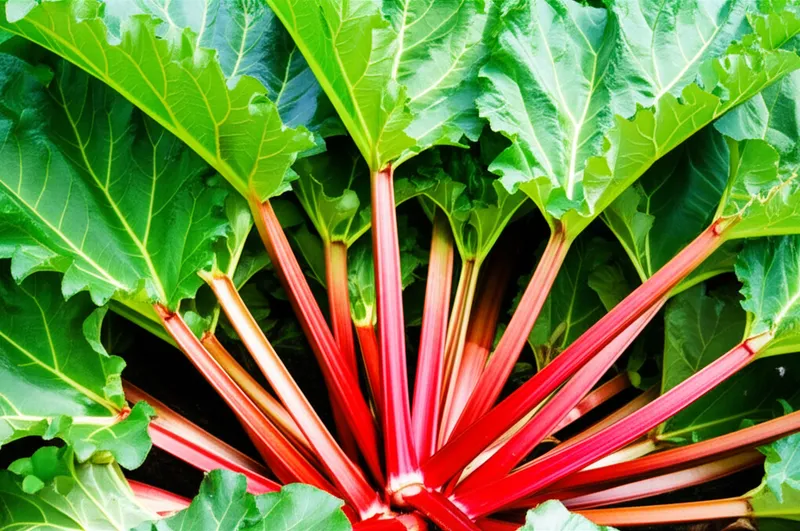

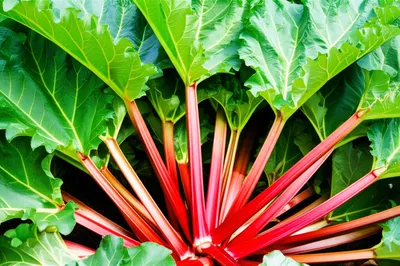
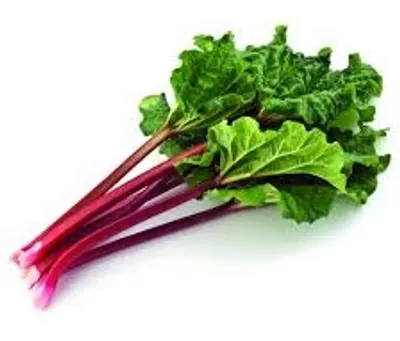
noun🔗ShareRhabarberAny plant of the genus Rheum, especially Rheum rhabarbarum, having large leaves and long green or reddish acidic leafstalks that are edible, in particular when cooked (although the leaves are mildly poisonous)."My grandmother's rhubarb pie is a family favorite. "Der Rhabarberkuchen meiner Großmutter ist ein Familienfavorit.plantfoodvegetableChat with AIVocabulary GamePractice Reading
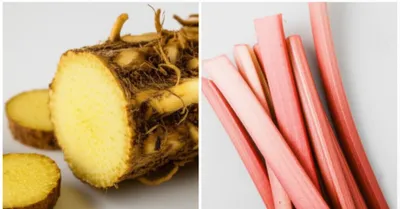
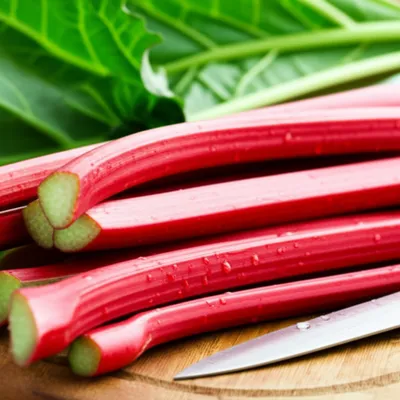
noun🔗ShareRhabarberThe leafstalks of common rhubarb or garden rhubarb (usually known as Rheum × hybridum), which are long, fleshy, often pale red, and with a tart taste, used as a food ingredient; they are frequently stewed with sugar and made into jam or used in crumbles, pies, etc."My grandmother's garden always has plenty of rhubarb, which she uses to make delicious pies. "Der Garten meiner Großmutter hat immer reichlich Rhabarber, aus dem sie köstliche Kuchen macht.vegetablefoodplantChat with AIVocabulary GamePractice Reading
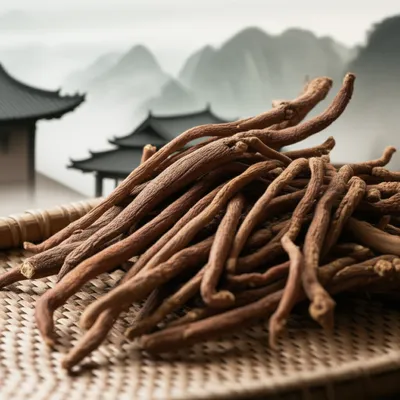
noun🔗ShareRhabarberwurzelThe dried rhizome and roots of Rheum palmatum (Chinese rhubarb) or Rheum officinale (Tibetan rhubarb), from China, used as a laxative and purgative."My grandmother uses rhubarb to make a natural laxative tea. "Meine Großmutter verwendet Rhabarberwurzel, um einen natürlichen Abführtee zuzubereiten.medicineplantvegetablefoodChat with AIVocabulary GamePractice Reading
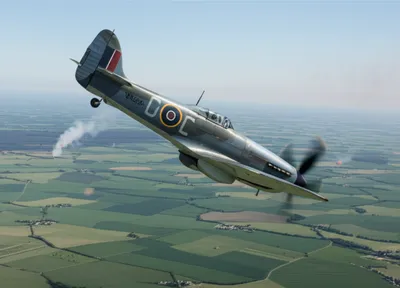
noun🔗ShareRhabarber (Codename für Tiefflugangriffe der Royal Air Force im Zweiten Weltkrieg)A Royal Air Force World War II code name for operations by aircraft (fighters and fighter-bombers) involving low-level flight to seek opportunistic targets."During World War II, a pilot received orders for a "rhubarb," meaning he was to fly at low altitude looking for enemy targets of opportunity. "Während des Zweiten Weltkriegs erhielt ein Pilot Befehle für einen „Rhabarber“, was bedeutete, dass er in geringer Höhe nach opportunistischen Zielen des Feindes suchen sollte.militarywaractionhistoryChat with AIVocabulary GamePractice Reading
verb🔗ShareFeuernOf fighter aircraft: to fire at a target opportunistically."The fighter pilot ruthlessly rhubarbed the enemy drone, firing when it was most vulnerable. "Der Kampfpilot feuerte rücksichtslos auf die feindliche Drohne und schoss, als sie am verwundbarsten war.militaryvehicleweaponwaractionChat with AIVocabulary GamePractice Reading
adjective🔗ShareRhabarberfarbenOf the colour of rhubarb: either brownish-yellow (the colour of rhubarb rhizomes and roots used for medicinal purposes), or pale red (often the colour of the leafstalks of common rhubarb)."The rhubarb-coloured tablecloth matched the new chairs perfectly. "Die rhabarberfarbene Tischdecke passte perfekt zu den neuen Stühlen.colorplantvegetablefoodappearanceChat with AIVocabulary GamePractice Reading
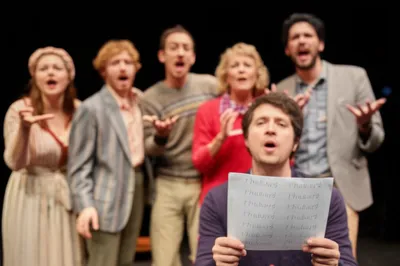
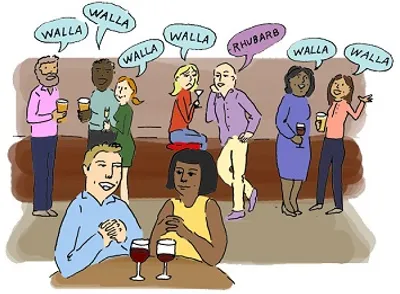
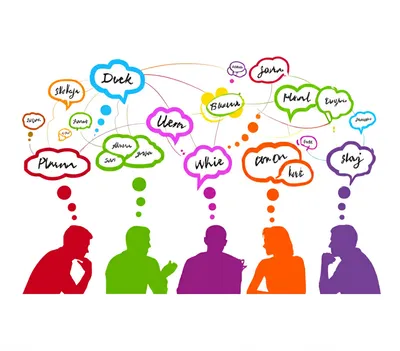
noun🔗ShareDurcheinandergerede, Gemurmel(originally theater) General background noise caused by several simultaneous indecipherable conversations, which is created in films, stage plays, etc., by actors repeating the word rhubarb; hence, such noise in other settings; rhubarb rhubarb, rhubarb rhubarb rhubarb."The noisy cafeteria was filled with rhubarb, making it hard to hear the announcements. "Die laute Cafeteria war voller Durcheinandergerede, was es schwer machte, die Durchsagen zu verstehen.entertainmentsoundstagelanguagecommunicationChat with AIVocabulary GamePractice Reading
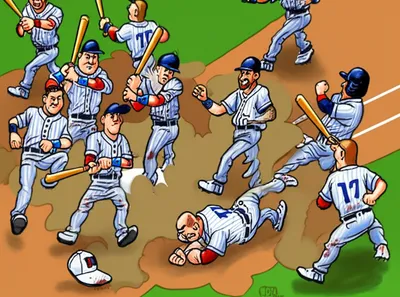
noun🔗ShareStreit, Auseinandersetzung(originally baseball) An excited, angry exchange of words, especially at a sporting event."The rhubarb between the two teams' coaches after the game was intense. "Der Streit zwischen den Trainern der beiden Mannschaften nach dem Spiel war heftig.sportlanguageentertainmentChat with AIVocabulary GamePractice Reading
noun🔗ShareSchlägerei, Keilerei(originally baseball, by extension) A brawl."The argument between the two classmates escalated into a rhubarb on the school playground. "Der Streit zwischen den beiden Klassenkameraden eskalierte zu einer Schlägerei auf dem Schulspielplatz.sportactionentertainmentChat with AIVocabulary GamePractice Reading
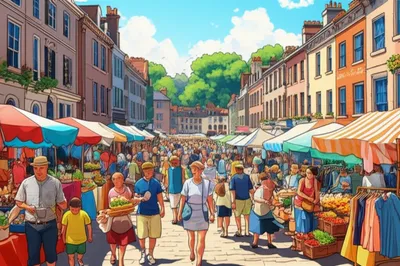
verb🔗ShareRhabarber sagen, undeutlich sprechen(originally theater) Of an actor in a film, stage play, etc.: to repeat the word rhubarb to create the sound of indistinct conversation; hence, to converse indistinctly, to mumble."During the school play, the actors were supposed to rhubarb their lines to simulate a noisy, crowded marketplace. "Während des Schultheaters sollten die Schauspieler ihre Texte undeutlich sprechen, um einen lauten, überfüllten Marktplatz zu simulieren.entertainmentstagesoundlanguagecommunicationChat with AIVocabulary GamePractice Reading
verb🔗Sharenuscheln, undeutlich sprechenTo articulate indistinctly or mumble (words or phrases); to say inconsequential or vague things because one does not know what to say, or to stall for time."The student, unprepared for the presentation, began to rhubarb about the weather, hoping the teacher would run out of time. "Der Schüler, unvorbereitet auf die Präsentation, nuschelte über das Wetter und hoffte, dass die Zeit des Lehrers ablaufen würde.languagecommunicationwordChat with AIVocabulary GamePractice Reading