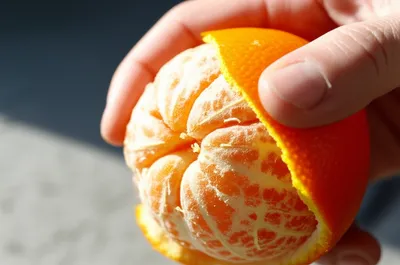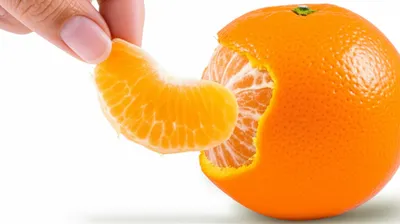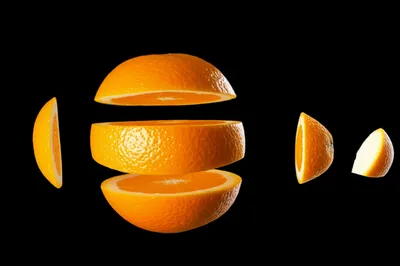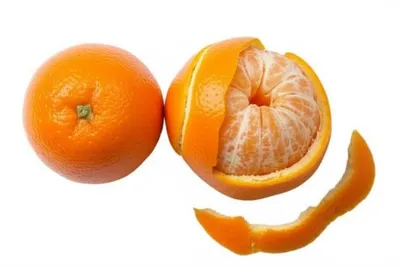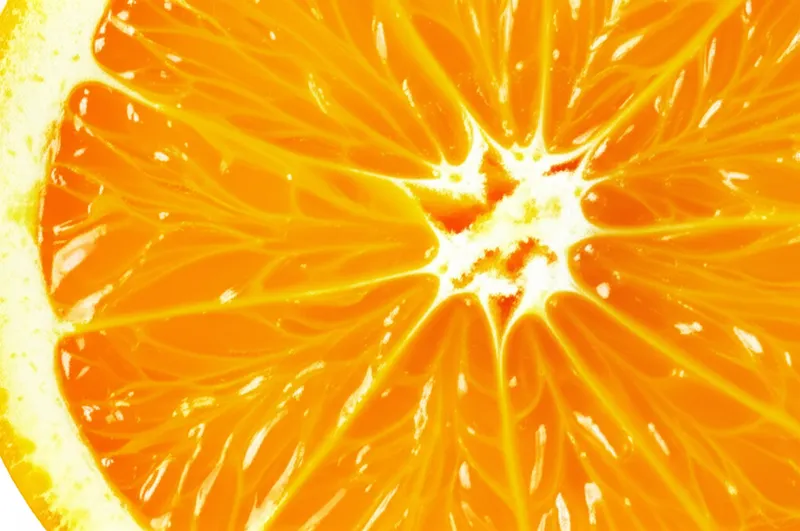

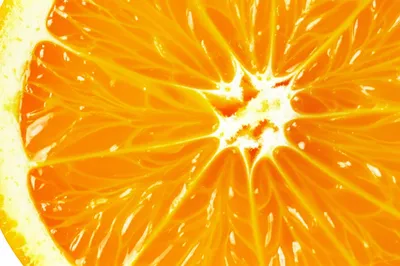
noun🔗SharePeau, écorce(usually uncountable) The skin or outer layer of a fruit, vegetable, etc."The orange had a thin peel, so I easily removed it before eating the fruit. "L'orange avait une peau fine, je l'ai donc facilement enlevée avant de manger le fruit.fruitvegetablefoodplantChat with AIVocabulary GamePractice Reading
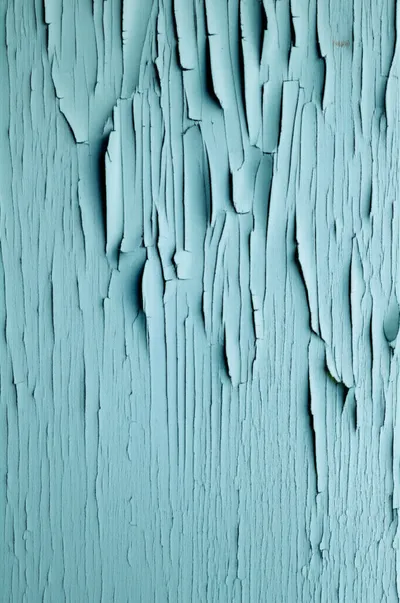
noun🔗ShareLe détachementThe action of peeling away from a formation."The peel of paint on the old bookshelf was a mess. "Le détachement de la peinture sur la vieille étagère était un désastre.actiongroupmilitaryChat with AIVocabulary GamePractice Reading
noun🔗SharePeeling, exfoliantA cosmetic preparation designed to remove dead skin or to exfoliate."My skin felt rough, so I used a gentle peel to remove dead skin cells before my school photos. "Ma peau était rugueuse, alors j'ai utilisé un peeling doux pour éliminer les cellules mortes avant les photos de l'école.appearancesubstancemedicineChat with AIVocabulary GamePractice Reading
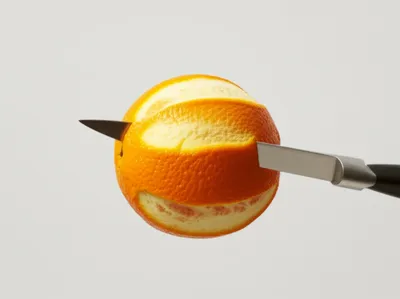
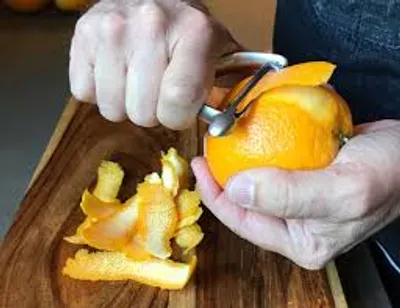
verb🔗ShareÉplucher, pelerTo remove the skin or outer covering of."Before eating the apples, I peeled them to remove the skin. "Avant de manger les pommes, je les ai épluchées pour enlever la peau.foodvegetablefruitactionutensilprocessChat with AIVocabulary GamePractice Reading
verb🔗ShareÉplucher, pelerTo remove something from the outer or top layer of."I peeled (the skin from) a banana and ate it hungrily."J'ai épluché une banane et je l'ai mangée avec appétit.actionprocessfoodvegetablefruitChat with AIVocabulary GamePractice Reading
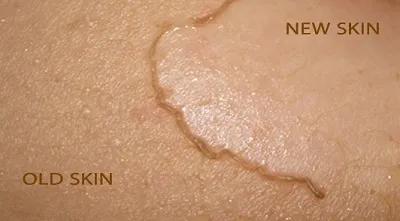
verb🔗SharePeler, s'écaillerTo become detached, come away, especially in flakes or strips; to shed skin in such a way."I had been out in the sun too long, and my nose was starting to peel."J'étais resté trop longtemps au soleil et mon nez commençait à peler.physiologybodyappearanceChat with AIVocabulary GamePractice Reading
verb🔗ShareSe déshabiller, se dépouillerTo remove one's clothing."The children peeled by the side of the lake and jumped in."Les enfants se sont déshabillés au bord du lac et ont sauté dedans.appearancebodyactionChat with AIVocabulary GamePractice Reading
verb🔗SharePeler, éplucherTo move, separate (off or away)."The scrum-half peeled off and made for the touchlines."Le demi de mêlée s'est écarté et s'est dirigé vers les lignes de touche.actionprocessChat with AIVocabulary GamePractice Reading
noun🔗SharePieuA stake."The farmer used a sharp stick as a peel to mark the boundary of his field. "L'agriculteur a utilisé un bâton pointu comme pieu pour marquer la limite de son champ.utensilitemChat with AIVocabulary GamePractice Reading
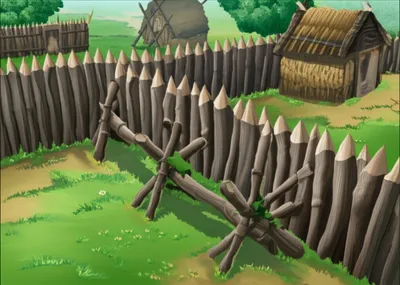
noun🔗SharePalissade, clôtureA fence made of stakes; a stockade."The school's sports field was surrounded by a sturdy peel to keep out the neighborhood dogs. "Le terrain de sport de l'école était entouré d'une palissade robuste pour empêcher les chiens du quartier d'entrer.architecturemilitaryChat with AIVocabulary GamePractice Reading
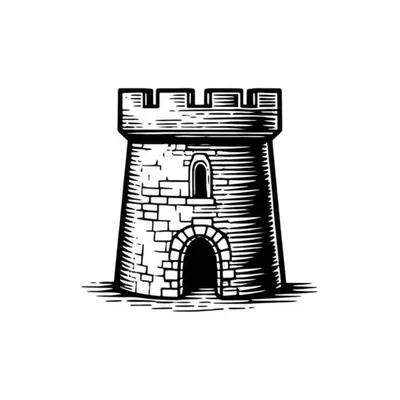
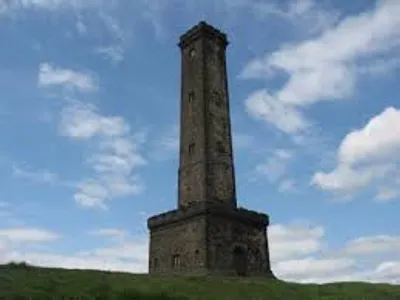
noun🔗ShareTour, donjonA small tower, fort, or castle; a keep."The old peel held the village's important documents during the war. "L'ancienne tour conservait les documents importants du village pendant la guerre.architecturebuildingmilitaryhistoryChat with AIVocabulary GamePractice Reading
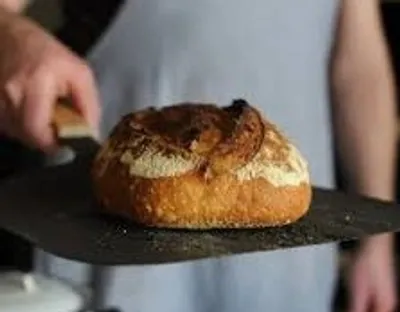
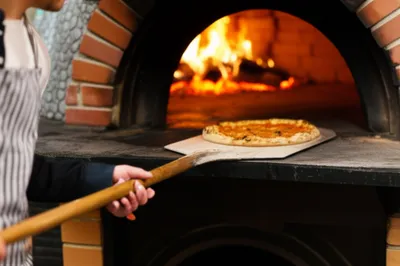
noun🔗SharePelle, enfourneurA shovel or similar instrument, now especially a pole with a flat disc at the end used for removing pizza or loaves of bread from a baker's oven."The baker used the peel to carefully remove the hot pizza from the oven. "Le boulanger a utilisé la pelle pour retirer délicatement la pizza chaude du four.utensilfoodmachineChat with AIVocabulary GamePractice Reading
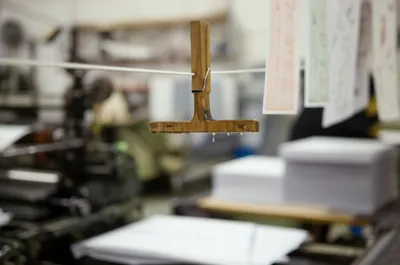
noun🔗ShareSéchoirA T-shaped implement used by printers and bookbinders for hanging wet sheets of paper on lines or poles to dry."The printer used the peel to hang the wet posters on the clothesline to dry. "L'imprimeur a utilisé le séchoir pour accrocher les affiches mouillées sur le fil à linge pour les faire sécher.utensilmachinewritingstationerytechnologyindustryworkChat with AIVocabulary GamePractice Reading
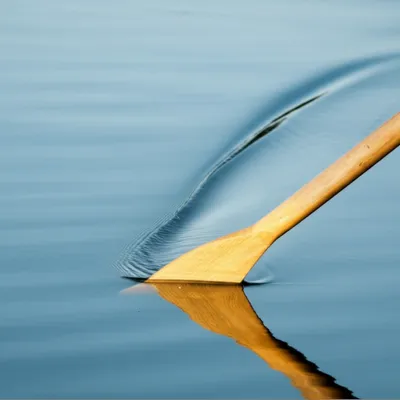
noun🔗SharePaleThe blade of an oar."The rower used the peel of his oar to propel the boat forward. "L'avironneur utilisait la pale de son aviron pour faire avancer le bateau.nauticalutensilsailingChat with AIVocabulary GamePractice Reading
noun🔗ShareÉgalité, match nulAn equal or match; a draw."The debate about who would get the last slice of pizza ended in a peel – both siblings got an equal portion. "Le débat sur qui aurait la dernière part de pizza s'est terminé par une égalité – les deux frères et sœurs ont eu une part égale.sportgameachievementChat with AIVocabulary GamePractice Reading
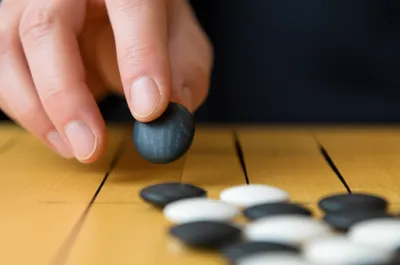
noun🔗ShareSortieA takeout which removes a stone from play as well as the delivered stone."The peel was a crucial part of the strategy in the curling game; it took out the opponent's stone and delivered a new one. "La sortie était une partie cruciale de la stratégie au curling ; elle a sorti la pierre de l'adversaire et en a livré une nouvelle.sportgameChat with AIVocabulary GamePractice Reading
verb🔗ShareJouer un coup de peelTo play a peel shot."The tennis player peeled the ball, hitting it with a sharp, angled shot. "Le joueur de tennis a joué un coup de peel, frappant la balle avec un coup vif et angulé.sportChat with AIVocabulary GamePractice Reading
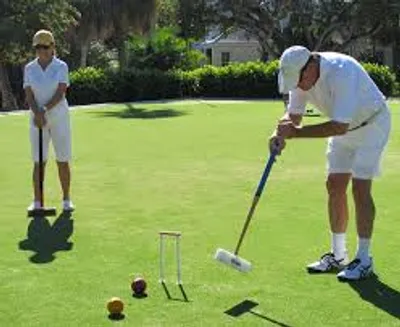
verb🔗ShareFaire passer à travers un cercleTo send through a hoop (of a ball other than one's own)."The soccer player skillfully peeled the ball through the opponent's hoop. "Le joueur de football a habilement fait passer le ballon à travers le cercle de l'adversaire.sportgameChat with AIVocabulary GamePractice Reading
verb🔗SharePiller, pillerTo plunder; to pillage, rob."The gang peeled the local convenience store, taking all the money and snacks. "Le gang a pillé l'épicerie du coin, emportant tout l'argent et les collations.actionpoliceChat with AIVocabulary GamePractice Reading
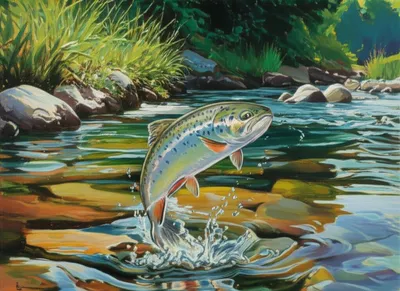
noun🔗ShareSaumon de printemps, jeune saumonA small salmon; a grilse; a sewin."The fisherman caught a small peel, a young salmon. "Le pêcheur a attrapé un jeune saumon, un saumon de printemps.fishanimalfoodChat with AIVocabulary GamePractice Reading