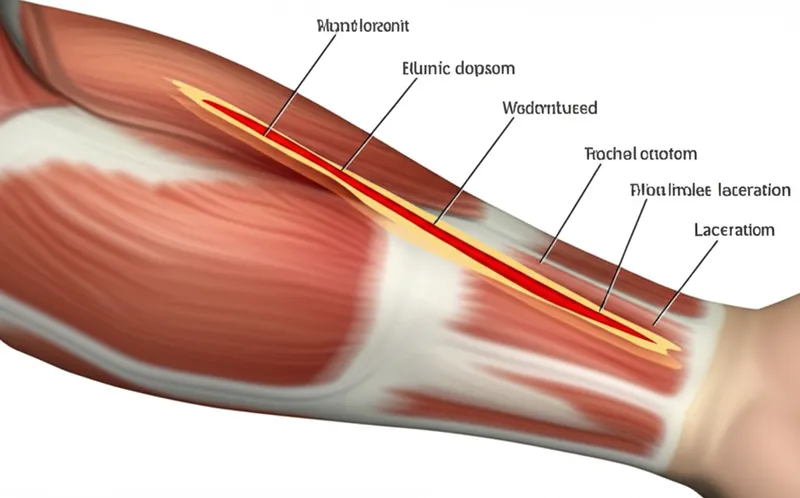

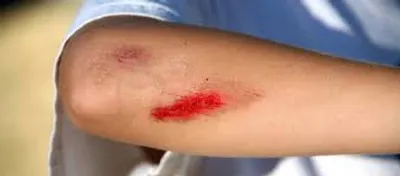

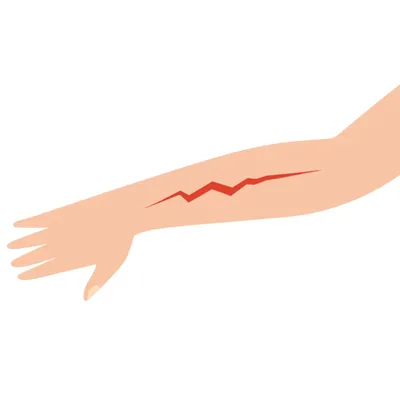






noun🔗ShareWunde, VerletzungAn injury, such as a cut, stab, or tear, to a (usually external) part of the body."The boy received a deep wound on his knee during a soccer game. "Der Junge erlitt während eines Fußballspiels eine tiefe Wunde am Knie.medicinebodyanatomyessentialtoeflChat with AIVocabulary GamePractice Reading
noun🔗ShareVerletzung, KränkungA hurt to a person's feelings, reputation, prospects, etc."It took a long time to get over the wound of that insult."Es dauerte lange, bis ich die Kränkung durch diese Beleidigung überwunden hatte.emotionmindcharacteressentialtoeflChat with AIVocabulary GamePractice Reading
noun🔗ShareWunde, VerletzungAn injury to a person by which the skin is divided or its continuity broken."The boy received a deep wound on his knee while playing soccer. "Der Junge erlitt beim Fußballspielen eine tiefe Wunde am Knie.medicinebodyessentialtoeflChat with AIVocabulary GamePractice Reading
verb🔗ShareVerletzen, verwundenTo hurt or injure (someone) by cutting, piercing, or tearing the skin."The police officer wounded the suspect during the fight that ensued."Der Polizist verletzte den Verdächtigen während des anschließenden Kampfes.medicinebodyactionessentialtoeflChat with AIVocabulary GamePractice Reading
verb🔗ShareVerletzen, kränkenTo hurt (a person's feelings)."His boss's criticism really wound him up; he felt terrible all day. "Die Kritik seines Chefs hat ihn sehr verletzt; er fühlte sich den ganzen Tag schrecklich.emotionmindhumanessentialtoeflChat with AIVocabulary GamePractice Reading
verb🔗ShareBlasen, ertönen lassenTo blow air through a wind instrument or horn to make a sound."The musician wound the trumpet and played a beautiful melody. "Der Musiker blies in die Trompete und spielte eine wunderschöne Melodie.musicsoundessentialtoeflChat with AIVocabulary GamePractice Reading
verb🔗ShareJemanden außer Atem bringen, verletzenTo cause (someone) to become breathless, as by a blow to the abdomen, or by physical exertion, running, etc."The boxer was winded during round two."Der Boxer war in der zweiten Runde außer Atem.bodyphysiologysensationactionessentialtoeflChat with AIVocabulary GamePractice Reading
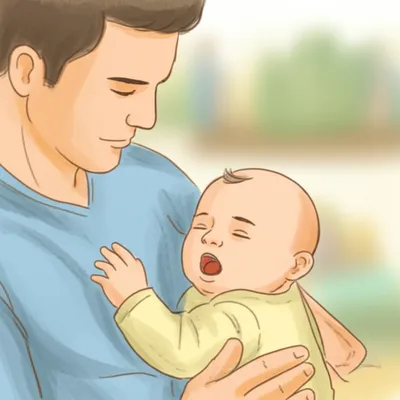
verb🔗ShareAufstoßen lassenTo cause a baby to bring up wind by patting its back after being fed."The mother wound her baby after feeding it to help it bring up air. "Die Mutter ließ ihr Baby nach dem Füttern aufstoßen, um ihm zu helfen, Luft aufzustoßen.familyhumanphysiologybodyactionessentialtoeflChat with AIVocabulary GamePractice Reading
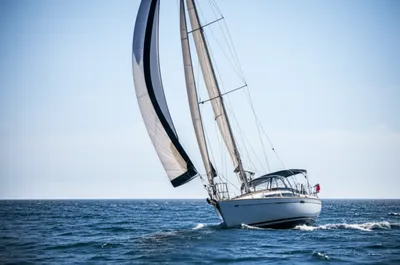
verb🔗SharewendenTo turn a boat or ship around, so that the wind strikes it on the opposite side."The sailboat captain wound the vessel to face the stronger wind. "Der Segelbootkapitän wendete das Schiff, um dem stärkeren Wind entgegenzutreten.nauticalsailingvehicleessentialtoeflChat with AIVocabulary GamePractice Reading
verb🔗ShareDem Wind aussetzen, lüftenTo expose to the wind; to winnow; to ventilate."The farmer wound the grain to remove the chaff. "Der Bauer setzte das Getreide dem Wind aus, um die Spreu zu entfernen.agricultureenvironmentweatheressentialtoeflChat with AIVocabulary GamePractice Reading
verb🔗ShareWitterung aufnehmen, witternTo perceive or follow by scent."The hounds winded the game."Die Hunde witterten das Wild.sensationanimalnatureessentialtoeflChat with AIVocabulary GamePractice Reading
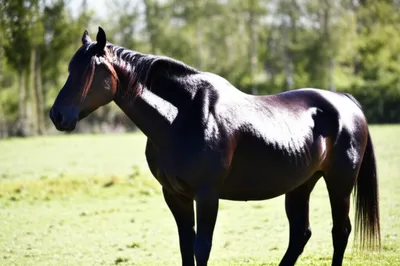
verb🔗ShareAtmen lassen, verschnaufen lassenTo rest (a horse, etc.) in order to allow the breath to be recovered; to breathe."The exhausted marathon runner needed to wound her horse before continuing the journey. "Der erschöpfte Marathonläufer musste sein Pferd verschnaufen lassen, bevor er die Reise fortsetzte.animalphysiologyessentialtoeflChat with AIVocabulary GamePractice Reading
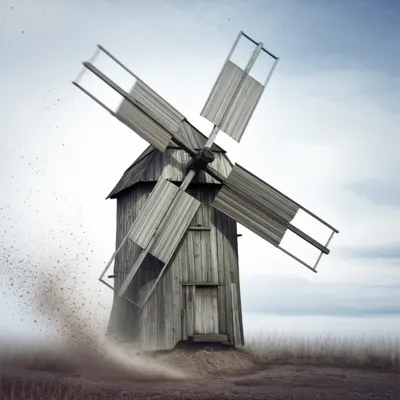
verb🔗ShareDie Windmühle drehenTo turn a windmill so that its sails face into the wind."The farmer wound the windmill to capture the wind's energy and grind wheat. "Der Bauer drehte die Windmühle, um die Energie des Windes zu nutzen und Weizen zu mahlen.sailingnauticalmachineenergyessentialtoeflChat with AIVocabulary GamePractice Reading
verb🔗ShareWickeln, aufwickelnTo turn coils of (a cord or something similar) around something."to wind thread on a spool or into a ball"Faden auf eine Spule oder zu einem Knäuel wickeln.actionprocessessentialtoeflChat with AIVocabulary GamePractice Reading
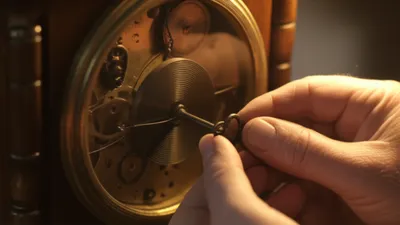
verb🔗ShareAufziehenTo tighten the spring of a clockwork mechanism such as that of a clock."Please wind that old-fashioned alarm clock."Bitte ziehen Sie diese altmodische Weckuhr auf.timemachineenergyfunctiontechnicalessentialtoeflChat with AIVocabulary GamePractice Reading
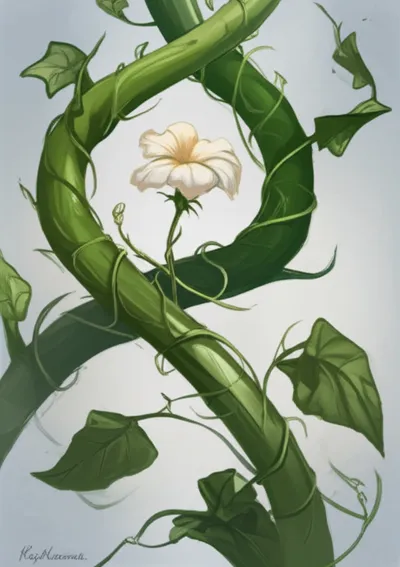
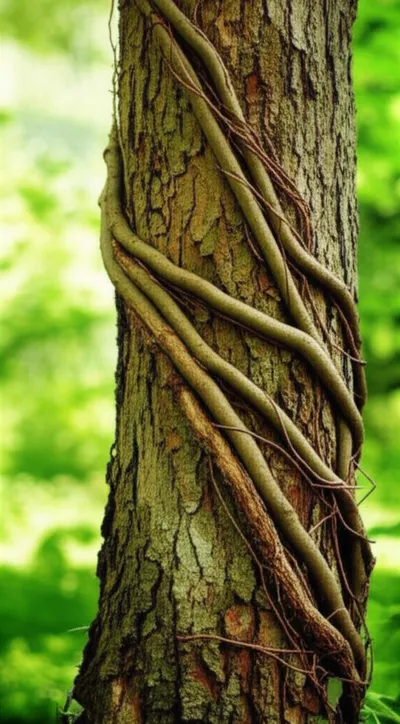
verb🔗ShareWickeln, umwindenTo entwist; to enfold; to encircle."The vine wound itself around the old oak tree. "Die Weinrebe umwand sich um die alte Eiche.actionessentialtoeflChat with AIVocabulary GamePractice Reading
verb🔗ShareSich winden, sich schlängelnTo travel in a way that is not straight."Vines wind round a pole. The river winds through the plain."Ranken winden sich um einen Pfahl. Der Fluss schlängelt sich durch die Ebene.wayactiondirectionessentialtoeflChat with AIVocabulary GamePractice Reading
verb🔗ShareBeherrschen, lenken, regierenTo have complete control over; to turn and bend at one's pleasure; to vary or alter or will; to regulate; to govern."The teacher wound the lesson plan to fit the students' current understanding. "Der Lehrer passte den Stundenplan an das aktuelle Verständnis der Schüler an.governmentpoliticsabilityessentialtoeflChat with AIVocabulary GamePractice Reading
verb🔗ShareEinfügen, insinuierenTo introduce by insinuation; to insinuate."The teacher subtly wound doubts about the student's abilities into her comments during the meeting. "Der Lehrer fügte in seinen Kommentaren während der Sitzung subtil Zweifel an den Fähigkeiten der Schülerin ein.communicationlanguagewordessentialtoeflChat with AIVocabulary GamePractice Reading
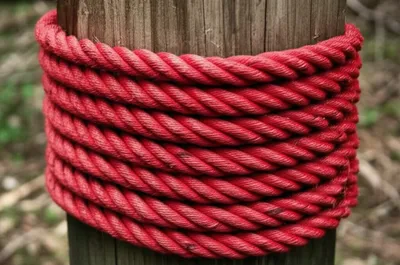
verb🔗ShareWickeln, umwindenTo cover or surround with something coiled about."to wind a rope with twine"Ein Seil mit Bindfaden umwickeln.actionwearessentialtoeflChat with AIVocabulary GamePractice Reading
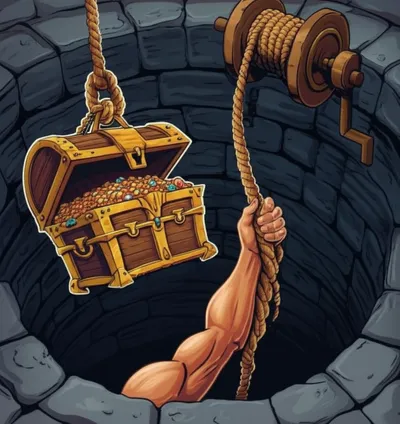
verb🔗ShareAufziehen, wickelnTo cause to move by exerting a winding force; to haul or hoist, as by a winch."The construction workers wound the heavy beam up the crane using the winch. "Die Bauarbeiter zogen den schweren Balken mit der Winde an dem Kran hoch.technologynauticalmachineactionessentialtoeflChat with AIVocabulary GamePractice Reading
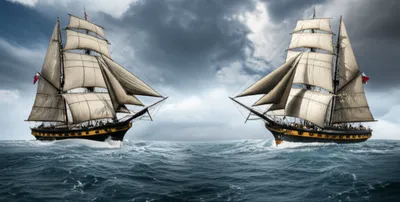
verb🔗SharewendenTo turn (a ship) around, end for end."The captain wound the ship, turning it around to face the harbor entrance. "Der Kapitän wendete das Schiff und drehte es, um die Hafeneinfahrt anzusteuern.nauticalsailingessentialtoeflChat with AIVocabulary GamePractice Reading