



verb🔗ShareTragen, anhabenTo carry or have equipped on or about one's body, as an item of clothing, equipment, decoration, etc."My sister wore a bright red dress to the school dance. "Meine Schwester trug ein leuchtend rotes Kleid zum Schulball.appearancewearitemstyleChat with AIVocabulary GamePractice Reading
verb🔗ShareTragen, anhabenTo have or carry on one's person habitually, consistently; or, to maintain in a particular fashion or manner."He wears eyeglasses. She wears her hair in braids."Er trägt eine Brille. Sie trägt ihr Haar in Zöpfen.appearancewearChat with AIVocabulary GamePractice Reading
verb🔗ShareTragen, aufweisenTo bear or display in one's aspect or appearance."She wore a smile all day. He walked out of the courtroom wearing an air of satisfaction."Sie trug den ganzen Tag ein Lächeln. Er verließ den Gerichtssaal mit einem Anflug von Zufriedenheit.appearanceChat with AIVocabulary GamePractice Reading
verb🔗ShareEtwas überstehen, ertragen(with "it") To overcome one's reluctance and endure a (previously specified) situation."She wore down her fear of public speaking and finally gave her presentation. "Sie überwand ihre Angst vor dem öffentlichen Reden und hielt schließlich ihre Präsentation.attitudesituationmindChat with AIVocabulary GamePractice Reading
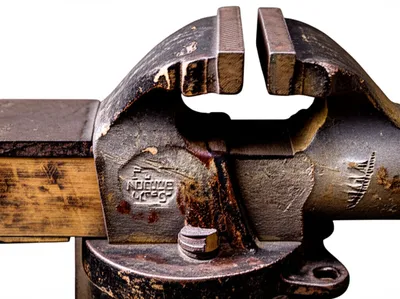
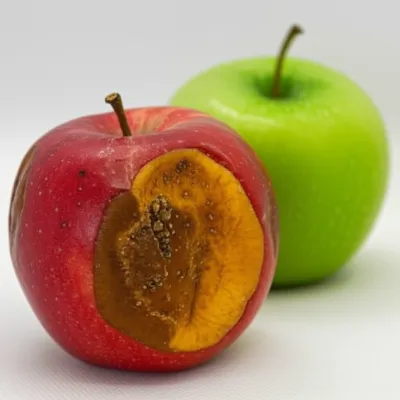
verb🔗ShareAbnutzen, zersetzen, zerfressenTo eat away at, erode, diminish, or consume gradually; to cause a gradual deterioration in; to produce (some change) through attrition, exposure, or constant use."The constant use of the old pencil had worn away the graphite. "Die ständige Benutzung des alten Bleistifts hatte die Graphitmine abgenutzt.materialgeologyenvironmentwearconditionprocesstimeChat with AIVocabulary GamePractice Reading
verb🔗ShareAbnutzen, verschleißenTo undergo gradual deterioration; become impaired; be reduced or consumed gradually due to any continued process, activity, or use."The old car's engine was worn out from years of daily use. "Der Motor des alten Autos war durch jahrelangen täglichen Gebrauch abgenutzt.conditionprocesstimewearChat with AIVocabulary GamePractice Reading
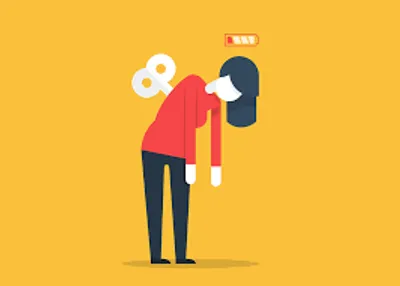
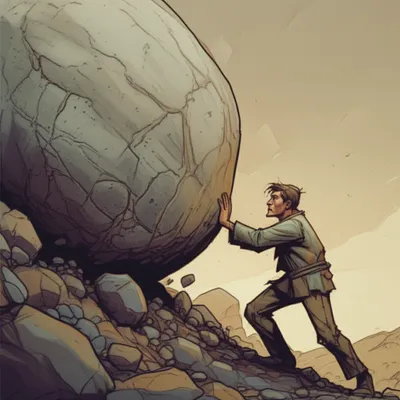
verb🔗ShareErschöpfen, ermüdenTo exhaust, fatigue, expend, or weary."His neverending criticism has finally worn my patience. Toil and care soon wear the spirit. Our physical advantage allowed us to wear the other team out and win."Seine nie endende Kritik hat meine Geduld endlich erschöpft. Mühe und Sorge ermüden bald den Geist. Unser physischer Vorteil erlaubte es uns, das andere Team zu ermüden und zu gewinnen.physiologyconditionwearbodyenergyChat with AIVocabulary GamePractice Reading
verb🔗ShareAbnutzen, verschleißen, haltenTo last or remain durable under hard use or over time; to retain usefulness, value, or desirable qualities under any continued strain or long period of time; sometimes said of a person, regarding the quality of being easy or difficult to tolerate."The old leather briefcase has worn well, still holding all my important documents after years of daily use. "Die alte Lederaktentasche hat sich gut gehalten und bewahrt auch nach jahrelangem täglichen Gebrauch alle meine wichtigen Dokumente.qualitytimewearconditionChat with AIVocabulary GamePractice Reading
verb🔗ShareJemanden belästigen, auf die Nerven gehen(in the phrase "wearing on (someone)") To cause annoyance, irritation, fatigue, or weariness near the point of an exhaustion of patience."Her high pitched voice is really wearing on me lately."Ihre hohe Stimme geht mir in letzter Zeit wirklich auf die Nerven.emotionmindsensationChat with AIVocabulary GamePractice Reading
verb🔗ShareVergehen, schleichen(of time) To pass slowly, gradually or tediously."wear on, wear away. As the years wore on, we seemed to have less and less in common."Als die Jahre vergingen, schienen wir immer weniger gemeinsam zu haben.timeChat with AIVocabulary GamePractice Reading
verb🔗SharewendenTo bring (a sailing vessel) onto the other tack by bringing the wind around the stern (as opposed to tacking when the wind is brought around the bow); to come round on another tack by turning away from the wind. Also written "ware". Past: weared, or wore/worn."The sailboat weared, bringing the wind from the front to the back of the boat. "Das Segelboot wendete und brachte den Wind von vorne nach hinten am Boot.nauticalsailingtechnicalChat with AIVocabulary GamePractice Reading
verb🔗ShareBewachen, beschützenTo guard; watch; keep watch, especially from entry or invasion."The security guard wore the building all night to prevent any intruders. "Der Sicherheitsbeamte bewachte das Gebäude die ganze Nacht, um Eindringlinge abzuwehren.militarypolicegovernmentactionChat with AIVocabulary GamePractice Reading
verb🔗ShareVerteidigen, schützenTo defend; protect."The soldiers were worn by their commanding officer, who kept them safe from harm during the ambush. "Die Soldaten wurden von ihrem Kommandeur beschützt, der sie während des Hinterhalts vor Schaden bewahrte.militarywaractionChat with AIVocabulary GamePractice Reading
verb🔗ShareAbwehren, fernhalten, abhaltenTo ward off; prevent from approaching or entering; drive off; repel."to wear the wolf from the sheep"Den Wolf von den Schafen abwehren.actionmilitaryChat with AIVocabulary GamePractice Reading
verb🔗ShareHüten, behütenTo conduct or guide with care or caution, as into a fold or place of safety."The teacher carefully worn the shy student into the group discussion, guiding him gently toward a comfortable place to participate. "Die Lehrerin behütete den schüchternen Schüler behutsam in die Gruppendiskussion und führte ihn sanft zu einem angenehmen Ort der Teilnahme.actionwearChat with AIVocabulary GamePractice Reading
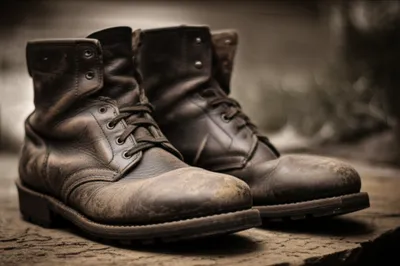
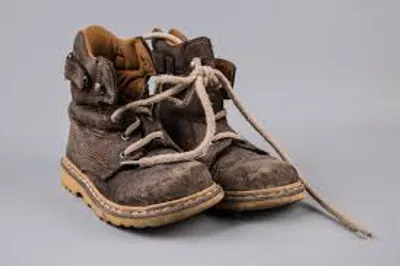
adjective🔗ShareAbgenutzt, verschlissenDamaged and shabby as a result of much use"The old jacket, worn from years of daily use, was finally replaced. "Die alte Jacke, abgenutzt von jahrelangem täglichen Gebrauch, wurde schließlich ersetzt.appearanceconditionqualityChat with AIVocabulary GamePractice Reading