noun Tải xuống 🔗Chia sẻ Âm chân răng. An alveolar consonant Ví dụ : ""In English, 't' and 'd' are alveolar sounds because the tongue touches the alveolar ridge behind the upper teeth to pronounce them." " Trong tiếng Anh, các âm "t" và "d" là âm chân răng, vì khi phát âm chúng, lưỡi chạm vào lợi trên, ngay sau răng. phonetics language linguistics Chat với AIGame từ vựngLuyện đọc
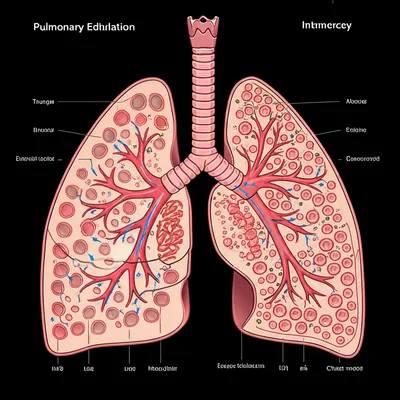
adjective Tải xuống 🔗Chia sẻ Thuộc phế nang. Of or relating to an alveolus. Ví dụ : "The doctor examined the patient's alveolar sacs to check for any damage. " Bác sĩ kiểm tra các túi phế nang của bệnh nhân để tìm xem có tổn thương nào không. anatomy physiology medicine biology Chat với AIGame từ vựngLuyện đọc
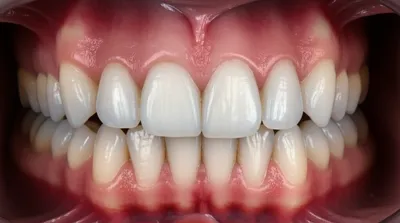
adjective Tải xuống 🔗Chia sẻ Ổ răng, thuộc ổ răng. Relating to the jaw ridge containing the tooth sockets. Ví dụ : "The dentist examined the patient's alveolar bone to check for bone loss around the teeth. " Nha sĩ đã kiểm tra xương ổ răng của bệnh nhân để kiểm tra tình trạng tiêu xương quanh răng. anatomy physiology medicine biology organ linguistics phonetics Chat với AIGame từ vựngLuyện đọc
adjective Tải xuống 🔗Chia sẻ Phế nang. Relating to the alveoli (small air sacs) of the lungs. Ví dụ : "The doctor explained that the patient's alveolar sacs were inflamed, making breathing difficult. " Bác sĩ giải thích rằng các phế nang của bệnh nhân bị viêm, khiến bệnh nhân khó thở. anatomy physiology medicine biology organ body Chat với AIGame từ vựngLuyện đọc
adjective Tải xuống 🔗Chia sẻ Âm chân răng. Formed with the tongue touching or approaching the inner ridge of the gums of the upper front teeth. Ví dụ : "When pronouncing the sounds "t" and "d," your tongue makes an alveolar contact just behind your upper teeth. " Khi phát âm các âm "t" và "d", lưỡi của bạn chạm vào vùng chân răng, ngay phía sau răng cửa hàm trên. phonetics language linguistics Chat với AIGame từ vựngLuyện đọc