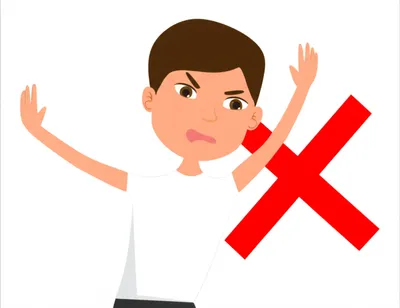




noun🔗ShareLời phản đối, Sự phủ quyết. A vote against."I vote nay, even though the motion is popular, because I would rather be right than popular."Tôi bỏ phiếu chống, mặc dù đề xuất này được nhiều người ủng hộ, vì tôi thà đúng còn hơn được yêu thích.politicsgovernmentChat với AIGame từ vựngLuyện đọc
noun🔗ShareNgười bỏ phiếu chống, người phản đối. A person who voted against."The vote is 4 in favor and 20 opposed; the nays have it."Kết quả bỏ phiếu là 4 phiếu thuận và 20 phiếu chống; phe phản đối thắng rồi.politicsgovernmentChat với AIGame từ vựngLuyện đọc
noun🔗ShareTừ chối, lời từ chối. A denial; a refusal. https//books.google.com/books?id=uysQzJy9IwMC&pg=PA818&dq=%22word+nay+a+denial+refusal%22&hl=en&sa=X&ved=0ahUKEwij_5CHi-3cAhWJ2FMKHWjCDdMQ6AEIJzAA#v=onepage&q=%22word%20nay%20a%20denial%20refusal%22&f=false"The motion to extend recess was met with a loud nay from the teacher. "Đề nghị kéo dài giờ ra chơi đã bị giáo viên phản đối kịch liệt.languagestatementwordnegativeChat với AIGame từ vựngLuyện đọc
verb🔗ShareTừ chối, khước từ, bác bỏ. To refuse."The student, feeling unwell, chose to nay the teacher's request to participate in the class presentation. "Vì cảm thấy không khỏe, bạn học sinh đã từ chối lời đề nghị tham gia thuyết trình của giáo viên.actionwordChat với AIGame từ vựngLuyện đọc
adjective🔗ShareKhông một, không một chút nào. Nary."There was nay a single empty seat left in the classroom. "Trong lớp học, không còn một chỗ trống nào.nothingwordChat với AIGame từ vựngLuyện đọc
adverb🔗ShareKhông. No."The question was, "Did you finish your homework?" Nay, I did not. "Câu hỏi là, "Con đã làm xong bài tập về nhà chưa?" Không, con chưa làm xong.languagewordChat với AIGame từ vựngLuyện đọc
adverb🔗ShareCó lẽ, Chắc hẳn. Introducing a statement, without direct negation."She didn't dislike the movie; nay, she found it surprisingly enjoyable. "Cô ấy không ghét bộ phim đâu; nay, cô ấy thấy nó thú vị một cách đáng ngạc nhiên ấy chứ.languagestatementChat với AIGame từ vựngLuyện đọc
adverb🔗ShareHay nói đúng hơn, Thậm chí, Nói cách khác. Or rather, or should I say; moreover (introducing a stronger and more appropriate expression than the preceding one)."His face was dirty, nay, filthy."Mặt anh ta bẩn, hay nói đúng hơn là, bẩn thỉu.communicationlanguagewordChat với AIGame từ vựngLuyện đọc
🔗ShareDạ, Không. No.""Did you finish your homework?" "Nay, I didn't have time." ""Bạn đã làm xong bài tập về nhà chưa?" "Dạ không, tôi không có thời gian."languagewordChat với AIGame từ vựngLuyện đọc