

bissextile
Định nghĩa


Năm nhuận.
Ví dụ :
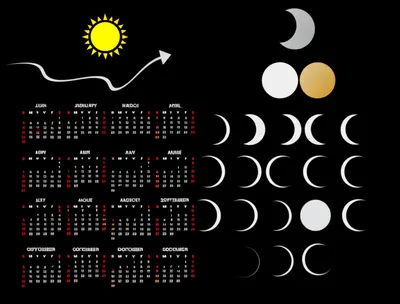
Năm nhuận.
Ví dụ :
Từ liên quan

intercalary adjective
/ɪnˈtɝː.kə.lɛɹ.i/
Nhuận.
Vì tháng hai thường có 28 ngày, ngày nhuận 29 tháng hai của năm nhuận giúp bù vào sự khác biệt nhỏ giữa năm dương lịch và quỹ đạo thực tế của trái đất quanh mặt trời.

traditionally adverb
/tɹəˈdɪʃənli/
Theo truyền thống, Có tính truyền thống, Từ xưa đến nay.

particularly adverb
/pəˈtɪkjəli/ /pəˈtɪkjəlɚli/
Đặc biệt, nhất là.
"The apéritifs were particularly stimulating."
Những món khai vị đó đặc biệt kích thích vị giác.

quadrennial noun
/ˌkwɒˈdɹɛn.i.əl/ /ˌkwɑˈdɹɛni.əl/
Chu kỳ bốn năm, Bốn năm một lần.
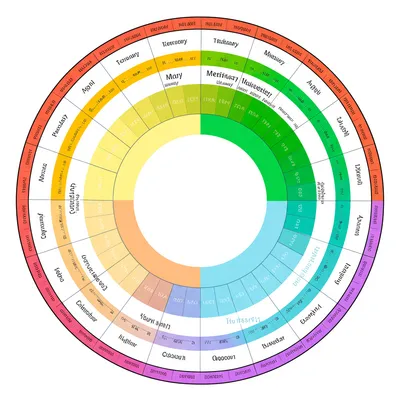






lunisolar adjective
/ˌluːniˈsoʊlər/
Âm dương.
Tết Nguyên Đán được tổ chức theo lịch âm dương, nghĩa là ngày của nó được xác định dựa trên cả chu kỳ mặt trăng và vị trí của mặt trời trong năm.