





noun🔗ShareNó, vật, kẻ phi nhân tính. One who is neither a he nor a she; a creature; a dehumanized being."The factory treated the new worker like an it, ignoring their questions and concerns. "Nhà máy đối xử với công nhân mới như một vật vô tri, phớt lờ mọi câu hỏi và lo lắng của họ.beinginhumanthingpersonessentialChat với AIGame từ vựngLuyện đọc
noun🔗ShareNgười đuổi, Cái. The person who chases and tries to catch the other players in the playground game of tag."In the next game, Adam and Tom will be it…"Trong ván chơi tới, Adam và Tom sẽ là người đuổi…gamepersonsportessentialChat với AIGame từ vựngLuyện đọc
noun🔗ShareChơi đuổi bắt, trò chơi đuổi bắt. The game of tag."My brother loves to play it after school. "Anh trai tôi thích chơi đuổi bắt sau giờ học.gamesportentertainmentessentialChat với AIGame từ vựngLuyện đọc
noun🔗ShareSức hấp dẫn giới tính, vẻ gợi cảm, mị lực. Sex appeal, especially that which goes beyond beauty."My sister's confidence and the way she carried herself had a certain it that made everyone notice her. "Sự tự tin của chị gái tôi và cách chị ấy thể hiện bản thân có một sức hút đặc biệt, một vẻ gợi cảm khó tả khiến ai cũng phải chú ý.appearancequalitystylecharacterpersonsexessentialChat với AIGame từ vựngLuyện đọc
noun🔗ShareChuyện ấy, tình dục. Sexual activity."caught them doing it"Bắt gặp họ đang làm chuyện ấy.sexbodyactionhumanessentialChat với AIGame từ vựngLuyện đọc
noun🔗ShareBản năng sống. A biological force that inhabits living beings, according to the vitalist approach of Georg Groddeck."The vitalist idea of "it" suggests a driving force within a student, pushing them to succeed in school. "Theo thuyết duy sinh, "bản năng sống" là một động lực thúc đẩy bên trong học sinh, thôi thúc họ thành công trong học tập.philosophysoulbeingmindbodyorganismtheoryessentialChat với AIGame từ vựngLuyện đọc
adjective🔗ShareThời thượng, thịnh hành, hợp mốt. Most fashionable."That new phone is very it; everyone at school wants one. "Cái điện thoại mới đó thời thượng lắm; ai ở trường cũng muốn có một cái.styleappearanceessentialChat với AIGame từ vựngLuyện đọc
pronoun🔗ShareNó. The third-person singular personal pronoun that is normally used to refer to an inanimate object or abstract entity, also often used to refer to animals."I heard the sound of the school bus - it was early today."Tôi nghe thấy tiếng xe buýt trường học – hôm nay nó đến sớm hơn mọi ngày.grammarlanguageessentialChat với AIGame từ vựngLuyện đọc
pronoun🔗ShareNó. A third-person singular personal pronoun used to refer to a child, especially of unknown gender."She took the baby and held it in her arms."Cô ấy bế đứa bé lên và ôm nó vào lòng.grammarlanguagelinguisticsessentialChat với AIGame từ vựngLuyện đọc
pronoun🔗ShareĐó, đấy. Used to refer to someone being identified, often on the phone, but not limited to this situation."Is it her?"Đó là cô ấy phải không?languagecommunicationessentialChat với AIGame từ vựngLuyện đọc
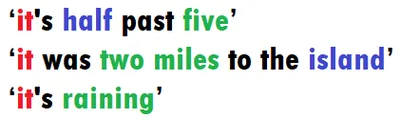
pronoun🔗ShareTrời. The impersonal pronoun, used without referent as the subject of an impersonal verb or statement. (known as the dummy pronoun or weather it)"It is nearly 10 o’clock."Trời gần 10 giờ rồi.grammarlanguagelinguisticsessentialChat với AIGame từ vựngLuyện đọc
pronoun🔗ShareNó. The impersonal pronoun, used without referent in various short idioms."It's raining cats and dogs outside. "Ngoài trời mưa như trút nước ấy.grammarlanguageessentialChat với AIGame từ vựngLuyện đọc
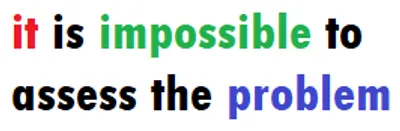
pronoun🔗ShareNó. The impersonal pronoun, used as a placeholder for a delayed subject, or less commonly, object; known as the dummy pronoun or, more formally in linguistics, a syntactic expletive. The delayed subject is commonly a to-infinitive, a gerund, or a noun clause introduced by a ."He saw to it that everyone would vote for him. (with the noun clause introduced by that)"Anh ấy đã lo liệu để mọi người bỏ phiếu cho anh ấy.grammarlinguisticslanguageessentialChat với AIGame từ vựngLuyện đọc
pronoun🔗ShareNó, điều đó. All or the end; something after which there is no more."Are there more students in this class, or is this it?"Lớp này có thêm học sinh nữa không, hay chỉ có thế này thôi?timeoutcomeessentialChat với AIGame từ vựngLuyện đọc
pronoun🔗ShareNó. A third-person singular personal pronoun used to refer to an animate referent who is transgender or is neither female nor male."My friend, who is transgender, said it was a difficult day at school. "Bạn tôi, người chuyển giới, nói nó đã có một ngày khó khăn ở trường.languagelinguisticsgrammarpersonculturesocietyessentialChat với AIGame từ vựngLuyện đọc
pronoun🔗ShareĐiều mà, cái mà. Followed by an omitted and understood relative pronoun: That which; what."The new math problem was difficult; it stumped everyone in the class. "Bài toán mới khó thật; điều mà nó gây ra là làm cho tất cả mọi người trong lớp đều bó tay.languagegrammaressentialChat với AIGame từ vựngLuyện đọc
proper noun🔗ShareÝ, bán đảo Ý. A large peninsula in Southern Europe protruding into the Mediterranean Sea and shaped like a boot. The mountain range of Apennines runs across it from north to south. Occupied almost entirely by Italy."My geography teacher said Italy's boot shape is called "the Italian Peninsula," and it is a very large peninsula in Southern Europe. "Cô giáo địa lý của tôi nói hình dạng chiếc ủng của Ý được gọi là "Bán đảo Ý", và Ý là một bán đảo rất lớn ở Nam Âu.geographynationplaceworldcontinentessentialChat với AIGame từ vựngLuyện đọc
proper noun🔗ShareÝ, Nước Ý. A country in southern Europe. Official name: Italian Republic."My cousin is studying in Italy. "Em họ tôi đang học ở Ý.nationgeographyplaceessentialChat với AIGame từ vựngLuyện đọc
proper noun🔗ShareTiếng Ý. Abbreviation of Italian. (language)"My Italian grandmother speaks fluent Italian, but I only know a few basic words like "buongiorno" and "grazie." "Bà nội người Ý của tôi nói tiếng Ý rất lưu loát, nhưng tôi chỉ biết vài từ cơ bản như "buongiorno" và "grazie" thôi.languageessentialChat với AIGame từ vựngLuyện đọc