









verb🔗ShareCó, sở hữu. To possess, own."I have a house and a car."Tôi có một căn nhà và một chiếc xe hơi.propertyassetbusinesseconomyChat với AIGame từ vựngLuyện đọc
verb🔗ShareCó, sở hữu. To hold, as something at someone's disposal."The teacher has a new textbook for the students. "Giáo viên có một quyển sách giáo khoa mới để các em học sinh sử dụng.utilitypropertybusinessChat với AIGame từ vựngLuyện đọc
verb🔗ShareCó. Used to state the existence or presence of someone in a specified relationship with the subject."I have a really mean boss."Tôi có một ông chủ rất là khó tính.languagegrammarChat với AIGame từ vựngLuyện đọc
verb🔗ShareCó, sở hữu. To partake of (a particular substance, especially food or drink, or action or activity)."Can I have a look at that?"Tôi xem cái đó được không?fooddrinkactionChat với AIGame từ vựngLuyện đọc
verb🔗ShareCó, phải, tham gia. To be scheduled to attend, undertake or participate in."My sister has a doctor's appointment next Tuesday. "Chị tôi có lịch hẹn khám bác sĩ vào thứ ba tuần tới.plantimeorganizationeventChat với AIGame từ vựngLuyện đọc
verb🔗ShareTrải qua, gánh chịu. To experience, go through, undergo."He had surgery on his hip yesterday."Hôm qua anh ấy đã trải qua ca phẫu thuật hông.actionconditionChat với AIGame từ vựngLuyện đọc
verb🔗ShareBị, mắc, chịu. To be afflicted with, suffer from."He had a cold last week."Tuần trước anh ấy bị cảm lạnh.medicinesufferingChat với AIGame từ vựngLuyện đọc
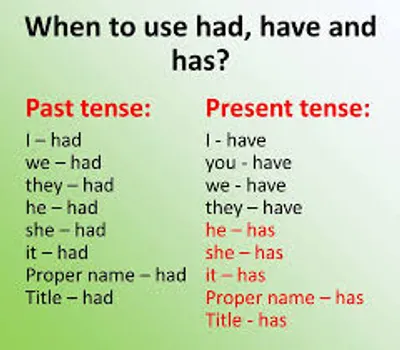
verb🔗ShareCó, đã. (auxiliary verb, taking a past participle) Used in forming the perfect aspect."I had already eaten."Tôi đã ăn rồi.grammarlanguageChat với AIGame từ vựngLuyện đọc
verb🔗SharePhải không, hả. Used as an interrogative verb before a pronoun to form a tag question, echoing a previous use of 'have' as an auxiliary verb or, in certain cases, main verb. (For further discussion, see the appendix English tag questions.)"My sister is studying hard, hasn't she? "Chị tôi đang học hành chăm chỉ, phải không?grammarlinguisticsChat với AIGame từ vựngLuyện đọc
verb🔗SharePhải, cần, buộc phải. (auxiliary verb, taking a to-infinitive) See have to."I have to go."Tôi phải đi.grammarlanguageChat với AIGame từ vựngLuyện đọc
verb🔗ShareSinh, đẻ. To give birth to."My mother had me when she was 25."Mẹ tôi sinh tôi năm mẹ 25 tuổi.familyorganismbiologyChat với AIGame từ vựngLuyện đọc
verb🔗ShareGiao cấu, ăn nằm, làm tình. To engage in sexual intercourse with."My neighbor has a new partner. "Nhà hàng xóm của tôi vừa mới ăn nằm với một người mới.sexhumanactionChat với AIGame từ vựngLuyện đọc
verb🔗ShareCó tình ý, để ý. To accept as a romantic partner."Despite my protestations of love, she would not have me."Dù tôi hết lời bày tỏ tình cảm, cô ấy vẫn không chịu để ý đến tôi.familysexhumanChat với AIGame từ vựngLuyện đọc
verb🔗ShareKhiến, bắt, sai, bảo. (transitive with bare infinitive) To cause to, by a command, request or invitation."They had me feed their dog while they were out of town."Họ bảo tôi cho chó của họ ăn trong lúc họ đi vắng.languagegrammarChat với AIGame từ vựngLuyện đọc
verb🔗ShareLàm cho, khiến cho. (transitive with adjective or adjective-phrase complement) To cause to be."He had him arrested for trespassing."Anh ta đã làm cho người đó bị bắt vì tội xâm phạm trái phép.languagegrammarChat với AIGame từ vựngLuyện đọc
verb🔗ShareBị, mắc, gặp phải. (transitive with bare infinitive) To be affected by an occurrence. (Used in supplying a topic that is not a verb argument.)"My family has been affected by the recent changes at their work. "Gia đình tôi đã bị ảnh hưởng bởi những thay đổi gần đây tại nơi làm việc của họ.languagegrammarChat với AIGame từ vựngLuyện đọc
verb🔗ShareCó vẻ, tỏ ra. (transitive with adjective or adjective-phrase complement) To depict as being."The painting has the artist's daughter as a very happy child. "Bức tranh có vẻ như thể hiện con gái của họa sĩ là một đứa trẻ rất hạnh phúc.languagelinguisticsChat với AIGame từ vựngLuyện đọc
verb🔗ShareĐánh bại, chiếm được. To defeat in a fight; take."I could have him!"Tôi có thể đánh bại hắn!militarywaractionChat với AIGame từ vựngLuyện đọc
verb🔗ShareBiết (một ngôn ngữ). (obsolete outside Ireland) To be able to speak (a language)."I have no German."Tôi không biết tiếng Đức.languagelinguisticsabilityChat với AIGame từ vựngLuyện đọc
verb🔗ShareCó, bị, cảm thấy. To feel or be (especially painfully) aware of."Dan certainly has arms today, probably from scraping paint off four columns the day before."Hôm nay chắc chắn là Dan bị đau nhức cánh tay, có lẽ là do hôm qua cạo sơn bốn cái cột.sensationmindsufferingconditionChat với AIGame từ vựngLuyện đọc
verb🔗ShareLừa, bịp bợm, đánh lừa. To trick, to deceive."You had me alright! I never would have thought that was just a joke."Mày bịp tao rồi! Tao không bao giờ nghĩ đó chỉ là một trò đùa.actioncharactermoralmindChat với AIGame từ vựngLuyện đọc
verb🔗ShareCho phép, dung thứ. (often with present participle) To allow; to tolerate."The teacher has allowed the students to finish their work early today. "Hôm nay cô giáo đã cho phép học sinh làm xong bài sớm.attitudeactionChat với AIGame từ vựngLuyện đọc
verb🔗ShareTin, mắc lừa, bị lừa. (often used in the negative) To believe, buy, be taken in by."My sister has the idea that she'll get a promotion next month, but she hasn't done much extra work lately. "Chị tôi cứ tin là tháng tới sẽ được thăng chức, nhưng dạo này chị ấy có làm thêm việc gì mấy đâu.mindattitudeChat với AIGame từ vựngLuyện đọc
verb🔗ShareMời, tiếp đón, chứa. To host someone; to take in as a guest."Thank you for having me!"Cảm ơn vì đã mời/tiếp đón tôi!familyhumanpersonChat với AIGame từ vựngLuyện đọc
verb🔗ShareCó, thu được, cho ra. To get a reading, measurement, or result from an instrument or calculation."I have two contacts on my scope."Tôi thu được tín hiệu của hai mục tiêu trên màn hình radar.technicalsciencemathtechnologyChat với AIGame từ vựngLuyện đọc
verb🔗ShareNghị án. (of a jury) To consider a court proceeding that has been completed; to begin deliberations on a case."The jury has begun considering the evidence in the trial. "Hội thẩm đoàn đã bắt đầu nghị án về bằng chứng trong phiên tòa.lawgovernmentpoliticsChat với AIGame từ vựngLuyện đọc
verb🔗ShareCó, sở hữu. To make an observation of (a bird species)."The ornithologist has the rare species of bluebird. "Nhà điểu học đã quan sát thấy loài chim xanh quý hiếm đó.birdanimalnatureChat với AIGame từ vựngLuyện đọc