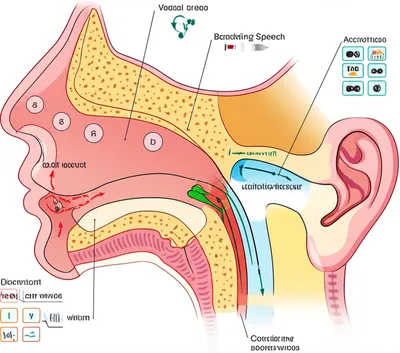



noun Tải xuống 🔗Chia sẻ Âm ngạc. A palatal consonant. Ví dụ : "In phonetics class, we learned that the "ch" sound in "cheese" is a palatal. " Trong lớp ngữ âm, chúng tôi học rằng âm "ch" trong từ "cheese" là một âm ngạc. phonetics language linguistics Chat với AIGame từ vựngLuyện đọc
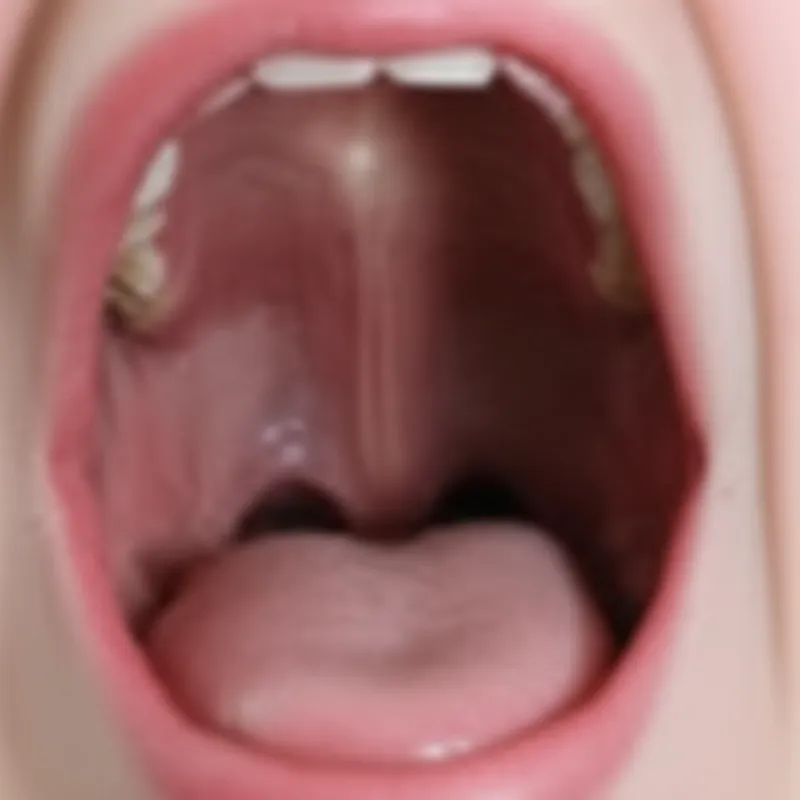
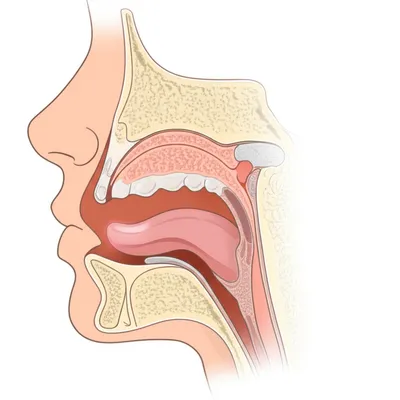
adjective Tải xuống 🔗Chia sẻ Vòm miệng. Pertaining to the palate. Ví dụ : "The dentist examined the roof of my mouth for any palatal inflammation. " Nha sĩ kiểm tra vòm miệng của tôi để xem có bị viêm nhiễm gì không. anatomy physiology medicine organ body Chat với AIGame từ vựngLuyện đọc
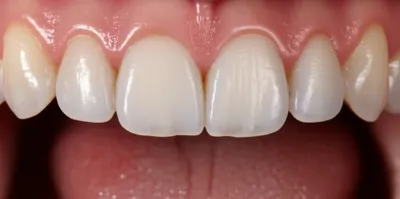
adjective Tải xuống 🔗Chia sẻ Vòm miệng, mặt trong (răng). Of an upper tooth, on the side facing the palate. Ví dụ : "The dentist found a small cavity on the palatal surface of my upper molar during my checkup. " Trong lúc khám răng, nha sĩ phát hiện một lỗ sâu nhỏ ở mặt trong, phía vòm miệng của răng hàm trên của tôi. anatomy physiology body Chat với AIGame từ vựngLuyện đọc
adjective Tải xuống 🔗Chia sẻ Vòm miệng, ngạc. Articulated at the hard palate. Ví dụ : "The sounds /j/ in "yes" and /ɲ/ in Spanish "señor" are palatal consonants because the tongue touches the hard palate to produce them. " Âm /j/ trong "yes" và âm /ɲ/ trong "señor" của tiếng Tây Ban Nha là những phụ âm vòm miệng vì lưỡi chạm vào phần ngạc cứng để tạo ra chúng. phonetics language anatomy Chat với AIGame từ vựngLuyện đọc