

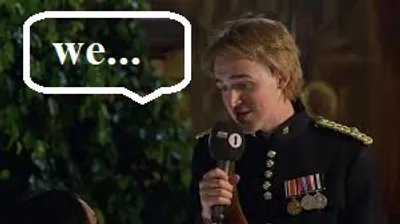



pronoun Tải xuống 🔗Chia sẻ Chúng ta. (personal) The speakers/writers, or the speaker/writer and at least one other person (not the person being addressed). (This is the exclusive we.) Ví dụ : "We are going to the park after school today. " Hôm nay tan học, tụi mình đi công viên nha. grammar language word essential Chat với AIGame từ vựngLuyện đọc
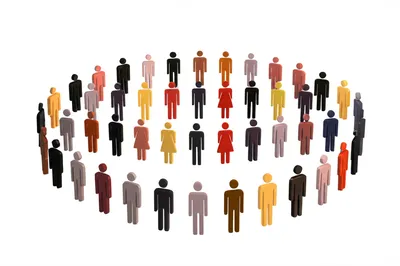
pronoun Tải xuống 🔗Chia sẻ Chúng ta. (personal) The speaker(s)/writer(s) and the person(s) being addressed. (This is the inclusive we.) Ví dụ : "We are going to the park after school today. " Chúng ta sẽ đi công viên sau giờ học hôm nay nhé. language grammar word communication person essential Chat với AIGame từ vựngLuyện đọc
pronoun Tải xuống 🔗Chia sẻ Chúng tôi. (personal) The speaker/writer alone. (This use of we is the editorial we, used by writers and others, including royalty—the royal we—as a less personal substitute for I. The reflexive case of this sense of we is ourself.) Ví dụ : "We believe that students should be given more opportunities to learn about different cultures. " Chúng tôi cho rằng sinh viên nên được tạo nhiều cơ hội hơn để tìm hiểu về các nền văn hóa khác nhau. (The "chúng tôi" here implies the speaker's or writer's individual opinion, presented in a formal or authoritative tone, similar to the editorial "we"). grammar language writing literature word essential Chat với AIGame từ vựngLuyện đọc
pronoun Tải xuống 🔗Chia sẻ Chúng ta, chúng tôi, ta. (personal) The plural form of you, including everyone being addressed. Ví dụ : "How are we all tonight?" Tối nay tất cả chúng ta thế nào rồi? grammar language essential Chat với AIGame từ vựngLuyện đọc
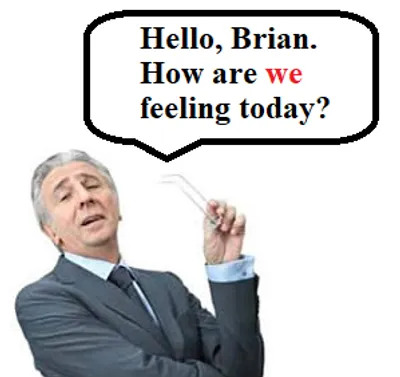
pronoun Tải xuống 🔗Chia sẻ Ta, Chúng ta (dùng một cách thân mật hoặc bề trên). (personal, often considered patronising) A second- or third-person pronoun for a person in the speaker's care. Ví dụ : "How are we feeling this morning?" Hôm nay con thấy trong người thế nào? language linguistics essential Chat với AIGame từ vựngLuyện đọc