

infinitive
Định nghĩa

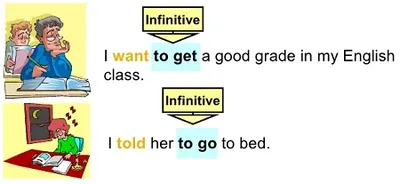

Nguyên thể.
Ví dụ :



Ví dụ :
Từ liên quan
dictionary noun
/ˈdɪkʃəˌnɛɹi/ /ˈdɪkʃ(ə)n(ə)ɹi/
Từ điển
"To understand the word "optimistic," I looked it up in the dictionary. "
Để hiểu nghĩa từ "lạc quan", tôi đã tra nó trong từ điển.


variously adverb
/ˈveːriəsli/ /ˈvæːriəsli/
Một cách đa dạng, nhiều cách khác nhau.
Bọn trẻ thể hiện sự phấn khích về chuyến đi học sắp tới bằng nhiều cách khác nhau: vài đứa nhảy cẫng lên, vài đứa khác trò chuyện rôm rả, và vài đứa thì khe khẽ ngân nga.

grammatical adjective
/ɡɹəˈmætɪkəl/
Đúng ngữ pháp, hợp ngữ pháp.
"Your writing is not grammatical enough for publication."
Văn viết của bạn chưa đủ đúng ngữ pháp để xuất bản.

inflection noun
/ɪnˈflɛkʃən/
Biến tố, sự biến đổi hình thái từ.

possibilities noun
/ˌpɒsɪˈbɪlitiz/ /ˌpɑsɪˈbɪlitiz/
Khả năng, tính khả thi.



constructing verb
/kənˈstrʌktɪŋ/ /kənˈstrʌktɪn/
Xây dựng, kiến tạo.

subordinate noun
/səˈbɔːrdənət/ /ˈsɔːbɔːrdənət/
Cấp dưới, thuộc cấp.
"The subordinate in the student council is responsible for organizing the school dances. "
Người thuộc cấp trong hội học sinh chịu trách nhiệm tổ chức các buổi khiêu vũ của trường.

graduation noun
/ˌɡɹædʒuˈeɪʃən/
Tốt nghiệp, lễ tốt nghiệp.
"After years of hard work, Maria's graduation from university was a joyful celebration. "
Sau nhiều năm học hành chăm chỉ, lễ tốt nghiệp đại học của Maria là một buổi ăn mừng đầy niềm vui.