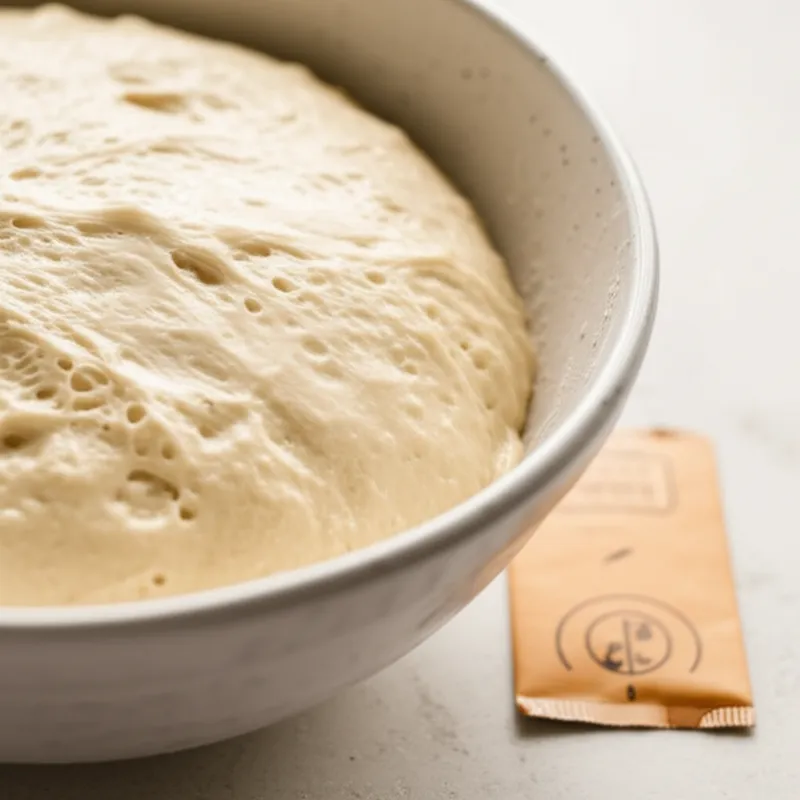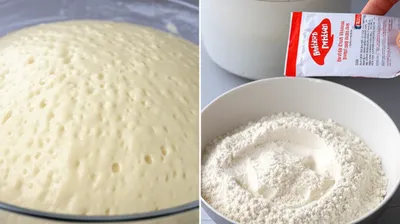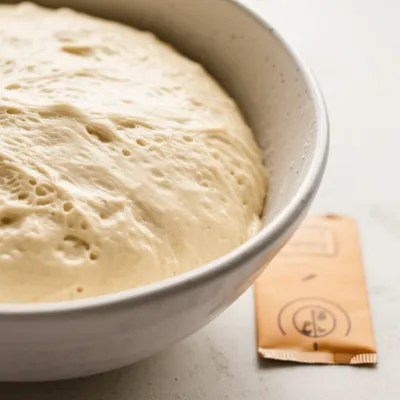
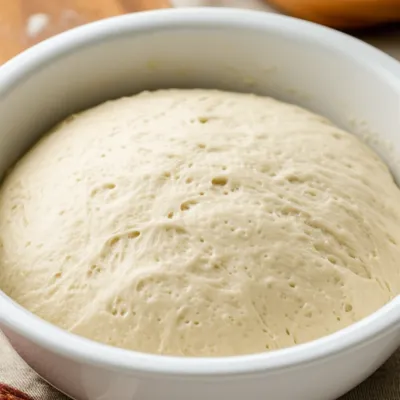

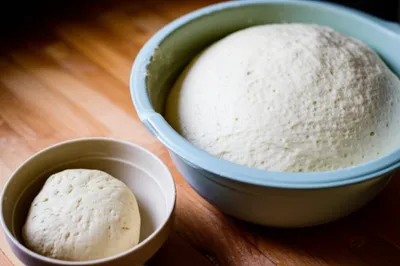

verb🔗ShareLàm nở, cho bột nở. To add a leavening agent."The baker leavened the dough with yeast to make it rise. "Người thợ làm bánh đã cho men nở vào bột để làm bột phồng lên.foodagricultureChat với AIGame từ vựngLuyện đọc
verb🔗ShareNổi men, làm cho nở. To cause to rise by fermentation."The baker leavened the dough with yeast, making it rise and become light and fluffy. "Người thợ làm bánh đã cho men vào bột, khiến bột nở phồng và trở nên xốp nhẹ.foodprocessagricultureChat với AIGame từ vựngLuyện đọc
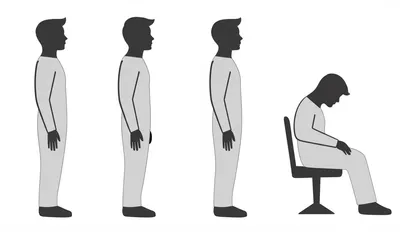
verb🔗ShareLàm dịu, xoa dịu, giảm nhẹ. To temper an action or decision."She leavened her criticism with a compliment to make it easier for him to accept. "Cô ấy xoa dịu lời phê bình của mình bằng một lời khen để anh ấy dễ chấp nhận hơn.actionattitudewayChat với AIGame từ vựngLuyện đọc
verb🔗ShareLàm hư hỏng, làm tha hóa, đầu độc. To imbue; to infect; to vitiate."The teacher's negative attitude leavened the entire class with a sense of dread about the upcoming test. "Thái độ tiêu cực của giáo viên đã đầu độc cả lớp, khiến ai nấy đều lo sợ về bài kiểm tra sắp tới.negativeconditionmicroorganismChat với AIGame từ vựngLuyện đọc
verb🔗ShareNổi, nở ra. To rise or become larger."The bread dough leavened in a warm place, becoming twice its original size. "Bột bánh mì nở ra gấp đôi kích thước ban đầu khi được ủ ở nơi ấm áp.foodprocessChat với AIGame từ vựngLuyện đọc
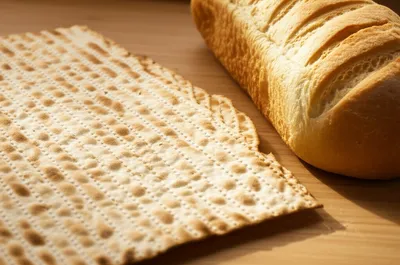
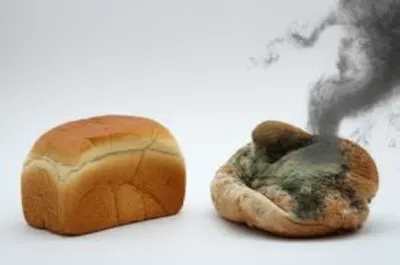
adjective🔗ShareĐã ủ men, có men. Prepared using leavening"The leavened bread was light and fluffy, unlike the dense, unleavened crackers. "Bánh mì đã ủ men thì xốp và nhẹ, khác hẳn với bánh quy giòn đặc và không men.foodChat với AIGame từ vựngLuyện đọc