


adjective🔗ShareUể oải, chậm chạp, lờ đờ. Habitually idle and lazy; slothful; dull; inactive"a sluggish man"Một người đàn ông uể oải.characterattitudepersonChat với AIGame từ vựngLuyện đọc
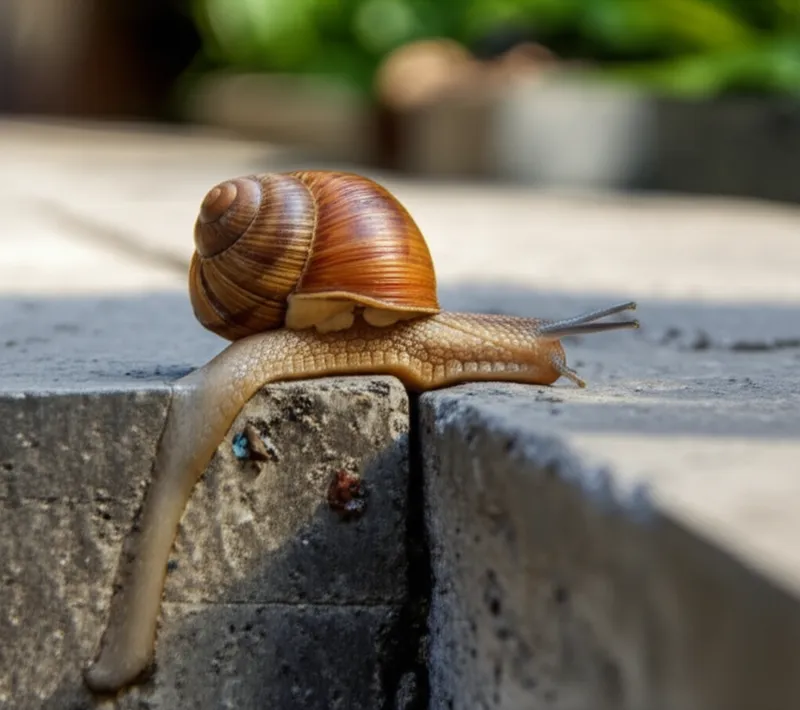
adjective🔗ShareChậm chạp, uể oải, lờ đờ. Slow; having little motion"The student's response was sluggish; it showed little effort and was late. "Câu trả lời của học sinh đó chậm chạp, uể oải, cho thấy không có nhiều cố gắng và lại còn đến muộn nữa.conditionnaturephysiologyChat với AIGame từ vựngLuyện đọc
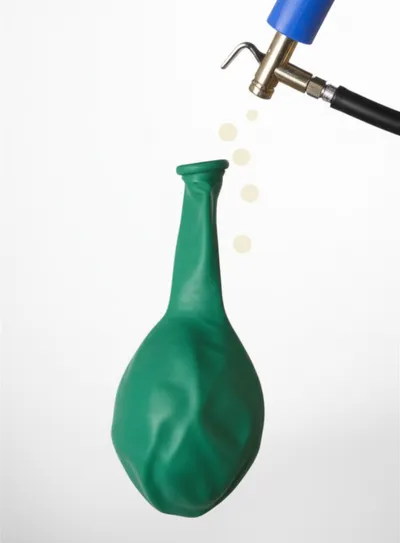
adjective🔗ShareUể oải, chậm chạp, trì trệ. Having no power to move oneself or itself; inert."The old car was sluggish, requiring several tries to start. "Chiếc xe cũ kỹ đó chạy rất ì ạch, phải cố gắng mấy lần mới khởi động được.physiologyconditionbodyChat với AIGame từ vựngLuyện đọc
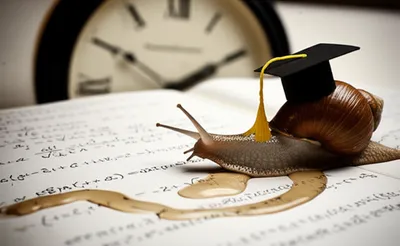
adjective🔗ShareUể oải, chậm chạp, lờ đờ. Characteristic of a sluggard; dull; stupid; tame; simple."The student's performance in class was sluggish today; he seemed uninterested and slow to answer questions. "Hôm nay, học sinh đó học rất uể oải trong lớp; em ấy có vẻ không hứng thú và trả lời câu hỏi rất chậm chạp.charactermindattitudeChat với AIGame từ vựngLuyện đọc
adjective🔗ShareTrì trệ, chậm chạp, ảm đạm. Exhibiting economic decline, inactivity, slow or subnormal growth."Inflation has been rising despite sluggish economy."Lạm phát vẫn tiếp tục tăng mặc dù nền kinh tế đang trì trệ.economybusinessconditionChat với AIGame từ vựngLuyện đọc