






noun🔗ShareYếu tố phụ. (grammar) An element which forms no part of the original root."In the word "unbreakable," the prefix "un-" is a servile, added to the root word "break" to change its meaning. "Trong từ "unbreakable" ("không thể phá vỡ"), tiền tố "un-" là một yếu tố phụ, được thêm vào từ gốc "break" ("phá vỡ") để thay đổi nghĩa của nó.grammarlanguagelinguisticswordChat với AIGame từ vựngLuyện đọc
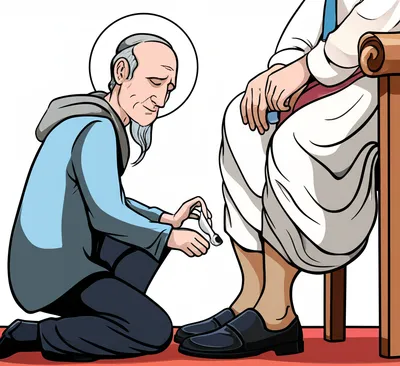
noun🔗ShareNô lệ, người hầu hạ. A slave; a menial."The new student was treated as a servile, doing all the menial tasks for the older students. "Cậu học sinh mới bị đối xử như một nô lệ, phải làm tất cả những việc vặt vãnh cho đám học sinh lớn tuổi hơn.characterpersonattitudejobChat với AIGame từ vựngLuyện đọc
adjective🔗ShareHèn hạ, nô lệ, khúm núm. Of or pertaining to a slave."The student's servile behavior toward the teacher made his classmates uncomfortable. "Cách cư xử khúm núm, nô lệ của học sinh đó đối với giáo viên khiến các bạn cùng lớp cảm thấy khó chịu.attitudecharactersocietyhumanmoralChat với AIGame từ vựngLuyện đọc
adjective🔗ShareKhúm núm, nô lệ, quỵ lụy. Submissive or slavish."servile flattery; servile obedience"Lời tâng bốc khúm núm; sự vâng lời một cách nô lệ.attitudecharactermoralsocietypersonChat với AIGame từ vựngLuyện đọc
adjective🔗SharePhụ thuộc, phái sinh. (grammar) Not belonging to the original root."a servile letter"Một chữ cái phụ thuộc, phái sinh từ một chữ cái gốc.grammarChat với AIGame từ vựngLuyện đọc
adjective🔗ShareKhông phát âm, câm. (grammar) Not sounded, but serving to lengthen the preceding vowel, like the e in tune."The word "alone" has a servile 'e' that lengthens the vowel sound in the first syllable. "Trong từ "alone", chữ 'e' ở cuối là chữ 'e' câm, có tác dụng kéo dài âm của nguyên âm ở âm tiết đầu.grammarphoneticslanguagelinguisticsChat với AIGame từ vựngLuyện đọc