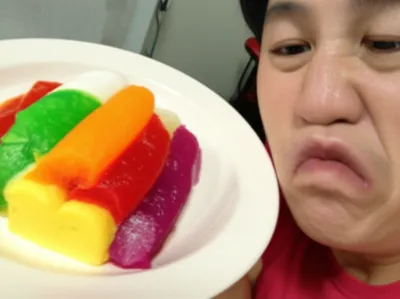





interjection🔗ShareXí, ghê, tởm. Used to express distaste, disgust or outrage.""Pah! I wouldn't eat that burnt toast even if you paid me." "Xí! Tôi thà nhịn đói chứ không thèm ăn cái bánh mì cháy khét này đâu, dù anh có trả tiền cho tôi.emotionlanguagecommunicationexclamationChat với AIGame từ vựngLuyện đọc
noun🔗ShareBa, tía. Father, papa.""When I scraped my knee, I ran to pah for a bandage." "Khi con bị trầy đầu gối, con chạy ngay đến ba xin băng cá nhân.familypersonChat với AIGame từ vựngLuyện đọc
noun🔗ShareÔng, ông nội, ông ngoại. Grandpa, grandfather."Little Maria ran to her pah for a hug after school. "Sau giờ học, Maria bé nhỏ chạy ào đến ôm ông nội một cái.familypersonChat với AIGame từ vựngLuyện đọc
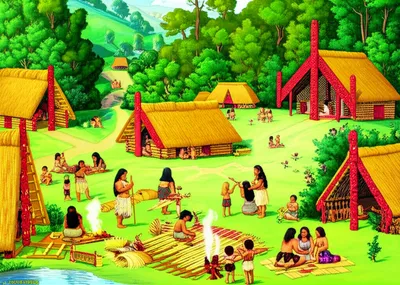
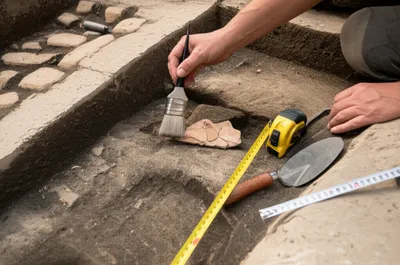
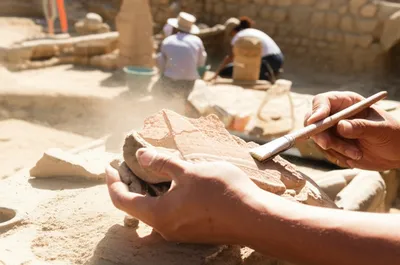
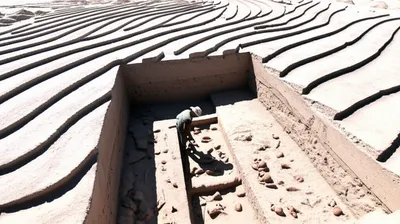
noun🔗ShareĐồn lũy của người Maori. A fortified Maori settlement of pre-European and early European times"Archaeologists carefully excavated the ancient pā on the hilltop, hoping to learn more about the lives of the Māori who once lived there. "Các nhà khảo cổ học cẩn thận khai quật khu đồn lũy cổ của người Maori trên đỉnh đồi, hy vọng tìm hiểu thêm về cuộc sống của người Maori từng sinh sống ở đó.architecturehistoryarchaeologymilitarybuildingplacetraditioncultureChat với AIGame từ vựngLuyện đọc
noun🔗ShareLàng, khu định cư. An unfortified Maori village or settlement; a kainga"The archaeologist carefully excavated the ancient pah to learn more about the lives of its Maori inhabitants. "Nhà khảo cổ học cẩn thận khai quật pah cổ xưa, tức là ngôi làng hay khu định cư của người Maori, để tìm hiểu thêm về cuộc sống của cư dân nơi đây.archaeologyculturehistoryplacesocietybuildingChat với AIGame từ vựngLuyện đọc