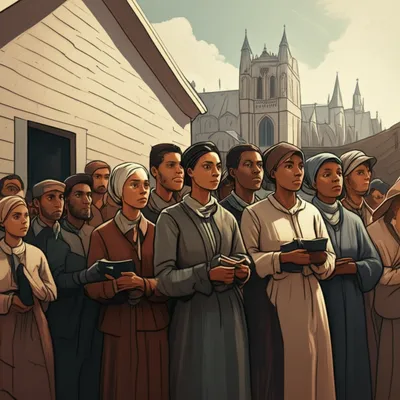

noun🔗ShareTin lành. A member of any of several Christian denominations which separated from the Roman Catholic Church based on theological or political differences during the Reformation (or sometimes later)."My grandfather, a Protestant, attended services at the Baptist church every Sunday. "Ông tôi, một người theo đạo Tin Lành, đi lễ nhà thờ Báp-tít mỗi chủ nhật.religiontheologyhistorygrouppersonChat với AIGame từ vựngLuyện đọc
noun🔗ShareTin lành thuộc Anh giáo. (history) A member of the Church of England or Church of Ireland, as distinct from Protestant nonconformists or dissenters"My great-aunt, a devout Protestant, regularly attended services at the Church of England. "Bà cô tôi, một người theo đạo Tin lành thuộc Anh giáo rất sùng đạo, thường xuyên tham dự các buổi lễ tại Nhà thờ Anh quốc.historyreligionstategroupChat với AIGame từ vựngLuyện đọc
adjective🔗ShareTin lành. Of or pertaining to several denominations of Christianity that separated from the Roman Catholic Church based on theological or political differences during the Reformation."My neighbor's family attends a Protestant church every Sunday. "Gia đình nhà hàng xóm của tôi đi nhà thờ Tin Lành mỗi chủ nhật.religiontheologyhistorypoliticsChat với AIGame từ vựngLuyện đọc
noun🔗ShareNgười biểu tình, người phản kháng. One who protests; a protester."The student, a constant protestant against unfair rules, organized a petition to change the school's dress code. "Là một người biểu tình thường xuyên chống lại những quy định bất công, cậu học sinh đó đã tổ chức một bản kiến nghị để thay đổi quy định về trang phục của trường.religionpersonhistoryChat với AIGame từ vựngLuyện đọc
adjective🔗SharePhản kháng, kháng nghị. Protesting"The student delivered a protestant speech against the new school uniform policy, arguing it restricted self-expression. "Bài phát biểu của học sinh đó mang tính phản kháng, chỉ trích chính sách đồng phục mới của trường vì cho rằng nó hạn chế sự thể hiện bản thân.religionpoliticsChat với AIGame từ vựngLuyện đọc