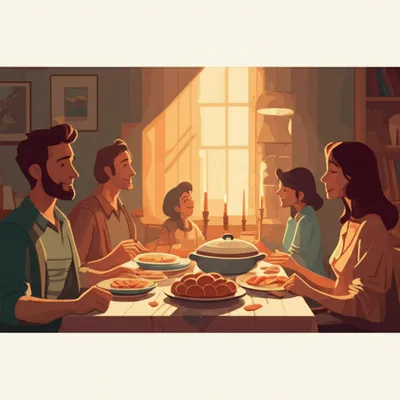
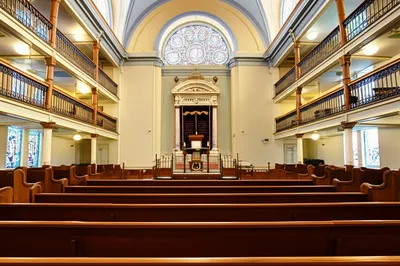
noun Tải xuống 🔗Chia sẻ Ngày Sa-bát, ngày nghỉ. Saturday, observed in Judaism and some Christian denominations as a day of rest and worship. Ví dụ : ""My family attends synagogue every Saturday because Saturday is our Sabbath." " Gia đình tôi đi giáo đường Do Thái mỗi thứ Bảy vì thứ Bảy là ngày Sa-bát, ngày nghỉ của chúng tôi. religion culture tradition Chat với AIGame từ vựngLuyện đọc
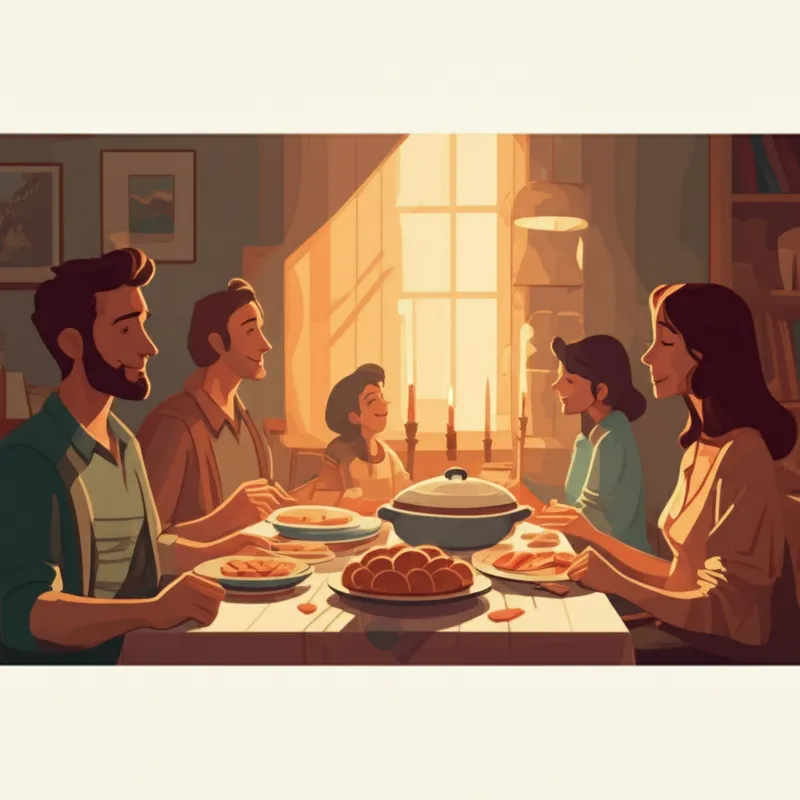
noun Tải xuống 🔗Chia sẻ Ngày Sa-bát, Ngày Chúa nhật. Sunday, observed in most of Christianity as a day of rest and worship. Ví dụ : "Every Sunday, my family attends church and spends the afternoon relaxing, observing the Sabbath. " Mỗi chủ nhật, gia đình tôi đi lễ nhà thờ và dành buổi chiều để thư giãn, giữ ngày Sa-bát. religion theology culture tradition time Chat với AIGame từ vựngLuyện đọc
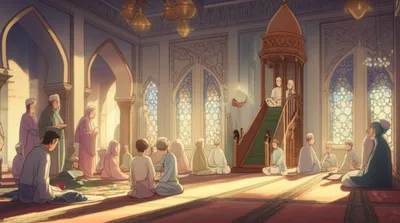
noun Tải xuống 🔗Chia sẻ Ngày Sa-bát của người Hồi giáo, ngày nghỉ ngơi và thờ phượng của người Hồi giáo. Friday, observed in Islam as a day of rest and worship. Ví dụ : "There are three Sabbaths–Friday (Muslim), Saturday (Jewish), and Sunday (Christian)." Có ba ngày Sa-bát khác nhau: Thứ Sáu (của người Hồi giáo), Thứ Bảy (của người Do Thái) và Chủ Nhật (của người Cơ Đốc giáo). religion culture tradition Chat với AIGame từ vựngLuyện đọc
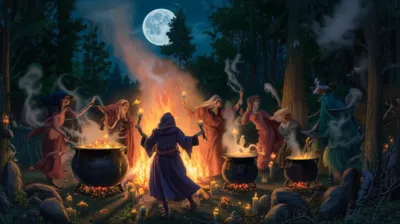
noun Tải xuống 🔗Chia sẻ Đêm hội phù thủy. A meeting of witches. (Also called a witches' sabbath, sabbat or black sabbath.) Ví dụ : "Local legends whispered of a yearly sabbath held deep in the woods, where witches gathered under the full moon. " Truyền thuyết địa phương kể rằng mỗi năm, phù thủy lại tổ chức đêm hội phù thủy ở sâu trong rừng, nơi họ tụ tập dưới ánh trăng tròn. religion mythology ritual supernatural group event Chat với AIGame từ vựngLuyện đọc
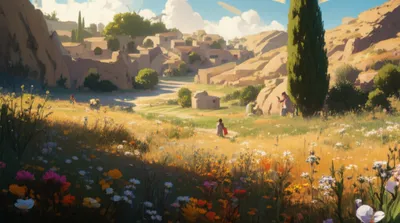
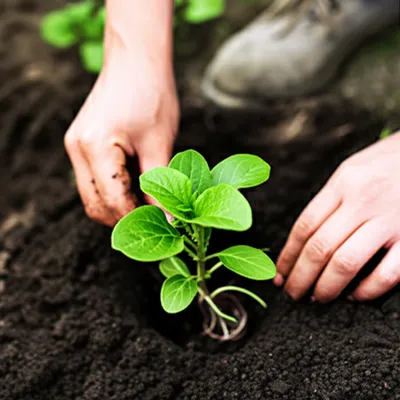
noun Tải xuống 🔗Chia sẻ Năm Sa-bát. Among the ancient Jews and Hebrews, the seventh year, when the land was left fallow. Ví dụ : "According to ancient law, after six years of planting, the farmers observed a sabbath for their land, letting it rest and recover. " Theo luật cổ xưa, sau sáu năm trồng trọt, nông dân tuân thủ Năm Sa-bát cho đất đai của họ, để đất nghỉ ngơi và phục hồi. religion agriculture history tradition Chat với AIGame từ vựngLuyện đọc