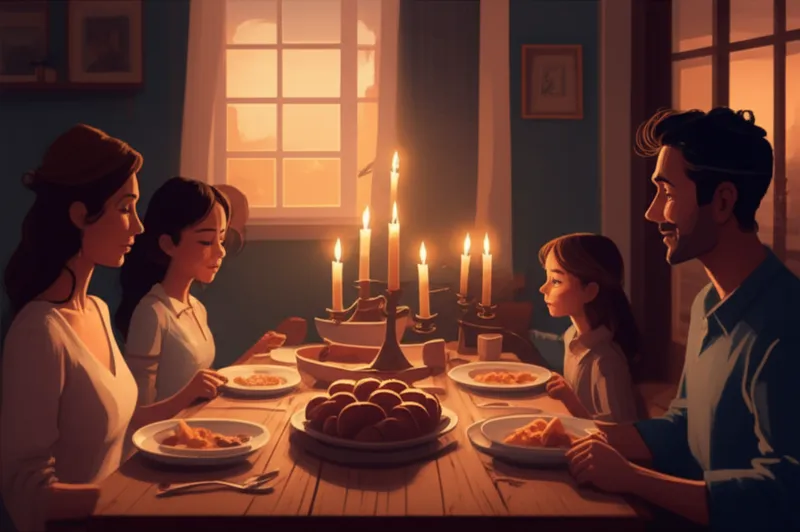
noun Tải xuống 🔗Chia sẻ Ngày Sa-bát. Saturday, observed in Judaism and some Christian denominations as a day of rest and worship. Ví dụ : "Every week, my family spends our sabbaths in prayer and relaxation, abstaining from work and school. " Mỗi tuần, gia đình tôi dành ngày Sa-bát để cầu nguyện và nghỉ ngơi, không làm việc hay đi học. religion time tradition Chat với AIGame từ vựngLuyện đọc
noun Tải xuống 🔗Chia sẻ Ngày Sa-bát, ngày Chúa nhật. Sunday, observed in most of Christianity as a day of rest and worship. Ví dụ : "Many families attend church services together on sabbaths. " Nhiều gia đình cùng nhau đi lễ nhà thờ vào các ngày Chúa nhật. religion theology tradition culture holiday Chat với AIGame từ vựngLuyện đọc
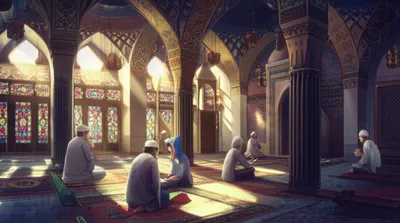
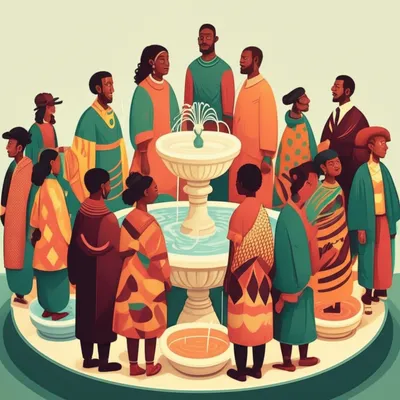
noun Tải xuống 🔗Chia sẻ Ngày Sa-bát. Friday, observed in Islam as a day of rest and worship. Ví dụ : "There are three Sabbaths–Friday (Muslim), Saturday (Jewish), and Sunday (Christian)." Có ba ngày Sa-bát: Thứ Sáu (của người Hồi giáo), Thứ Bảy (của người Do Thái) và Chủ Nhật (của người Cơ đốc giáo). religion ritual time Chat với AIGame từ vựngLuyện đọc
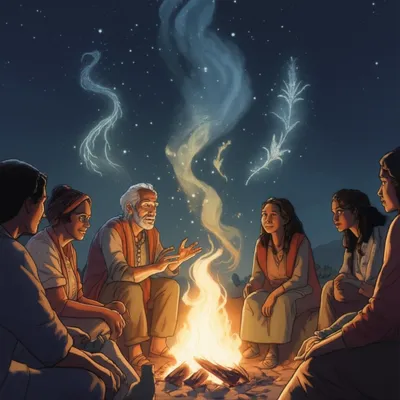
noun Tải xuống 🔗Chia sẻ Hội phù thủy, lễ Sabbat của phù thủy. A meeting of witches. (Also called a witches' sabbath, sabbat or black sabbath.) Ví dụ : "Folklore tells of witches gathering in secret, moonlit locations for their sabbaths. " Truyền thuyết kể rằng phù thủy tụ tập bí mật tại những địa điểm dưới ánh trăng cho các hội phù thủy của chúng (lễ Sabbat của phù thủy). mythology ritual religion supernatural group event curse history Chat với AIGame từ vựngLuyện đọc
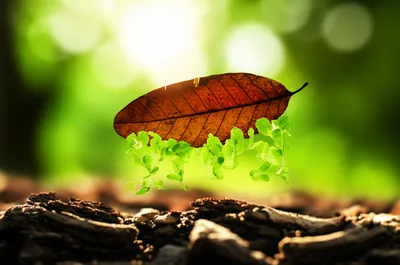
noun Tải xuống 🔗Chia sẻ Năm Sa-bát. Among the ancient Jews and Hebrews, the seventh year, when the land was left fallow. Ví dụ : "Farmers in ancient Israel looked forward to the sabbaths, knowing that every seventh year their fields would rest and rejuvenate. " Những người nông dân ở Israel cổ đại mong chờ đến năm Sa-bát, vì họ biết rằng cứ bảy năm một lần, ruộng đồng của họ sẽ được nghỉ ngơi và phục hồi. religion theology agriculture history tradition Chat với AIGame từ vựngLuyện đọc