noun Tải xuống 🔗Chia sẻ Người bị khuyết tật, vật phẩm bị lỗi. A person or thing considered to be defective. Ví dụ : "The company recalled the toy car because it contained a known defective that could pose a safety hazard to children. " Công ty đã thu hồi chiếc xe đồ chơi vì nó chứa một bộ phận bị lỗi, có thể gây nguy hiểm cho trẻ em. person thing quality condition toeic Chat với AIGame từ vựngLuyện đọc
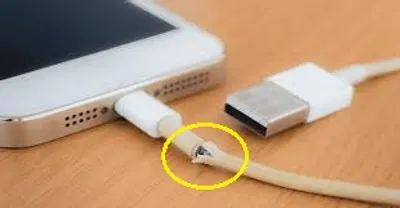
adjective Tải xuống 🔗Chia sẻ Khiếm khuyết, có lỗi. Having one or more defects. Ví dụ : "The new computer monitor was defective; it wouldn't turn on. " Cái màn hình máy tính mới bị lỗi, nó không chịu bật lên. quality condition technical toeic Chat với AIGame từ vựngLuyện đọc
adjective Tải xuống 🔗Chia sẻ Thiếu, khuyết, không đầy đủ. (grammar, of a lexeme, especially a verb) Lacking some forms; e.g., having only one tense or being usable only in the third person. Ví dụ : "The student's grammar textbook contained examples of a defective verb, one that only existed in the past tense form. " Sách giáo khoa ngữ pháp của học sinh đó có các ví dụ về một động từ khuyết, một động từ chỉ tồn tại ở dạng thì quá khứ. grammar language linguistics toeic Chat với AIGame từ vựngLuyện đọc
adjective Tải xuống 🔗Chia sẻ Khuyết tật (trong ngữ pháp Ả Rập, của một động từ). (Arabic grammar, of a verb) Having a root whose final consonant is weak (ي, و, or ء). Ví dụ : "The Arabic verb "safa" (to travel) is defective because its root consonant "f" is followed by a weak "a" (the vowel). " Động từ "safa" (đi du lịch) trong tiếng Ả Rập là một động từ khuyết tật vì phụ âm gốc "f" của nó đi kèm với một nguyên âm yếu "a". grammar language linguistics toeic Chat với AIGame từ vựngLuyện đọc