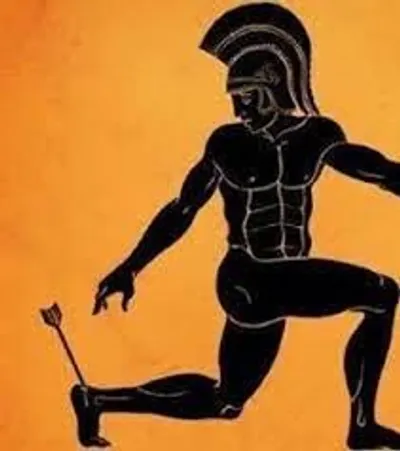
noun Tải xuống 🔗Chia sẻ Tính lập dị, tật xấu nhỏ. A quirk, idiosyncrasy, or mannerism; unusual habit or way (usage is typically plural), that is slightly strange or silly. Ví dụ : "Try to look past his foibles and see the friendly fellow underneath." Hãy bỏ qua những tật xấu nho nhỏ của anh ấy và nhìn vào con người thân thiện bên trong. character human mind person attitude tendency Chat với AIGame từ vựngLuyện đọc
noun Tải xuống 🔗Chia sẻ Tính khí thất thường, điểm yếu. A weakness or failing of character. Ví dụ : "My brother's biggest foible is his tendency to lose his keys. " Điểm yếu lớn nhất của anh trai tôi là cái tính hay làm mất chìa khóa. character person moral attitude tendency Chat với AIGame từ vựngLuyện đọc
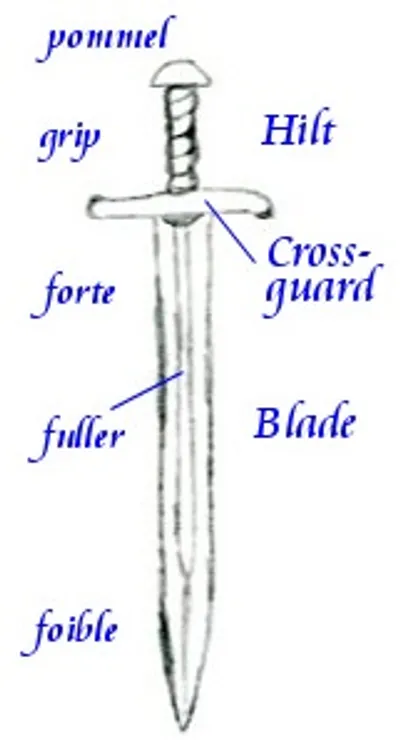
noun Tải xuống 🔗Chia sẻ Điểm yếu của lưỡi kiếm. Part of a sword between the middle and the point, weaker than the forte. Ví dụ : "The swordsman knew the foible of his blade was susceptible to breaking if he parried a blow too close to the tip. " Người kiếm sĩ biết điểm yếu của lưỡi kiếm nằm gần mũi, và nó dễ gãy nếu anh ta đỡ đòn quá gần đầu kiếm. weapon part Chat với AIGame từ vựngLuyện đọc
adjective Tải xuống 🔗Chia sẻ Yếu đuối, non yếu. Weak; feeble. Ví dụ : "The foible old chair threatened to collapse under his weight. " Cái ghế cũ yếu đuối, non yếu đến mức có nguy cơ sập ngay dưới sức nặng của ông ấy. character tendency quality Chat với AIGame từ vựngLuyện đọc