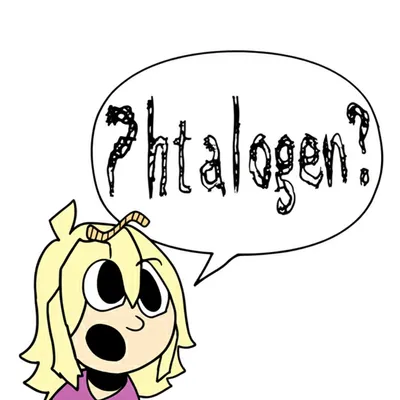






verb🔗ShareNói ngọng, nói lắp, xê xát. To pronounce the consonant ‘s’ imperfectly; to give ‘s’ and ‘z’ the sounds of ‘th’ (/θ/). This is a speech impediment common among children."Little Timmy lisped when he tried to say "sun," pronouncing it more like "thun." "Timmy bé tí nói ngọng khi cố gắng nói từ "sun", nghe thành "thun" vì em phát âm chữ "s" thành chữ "th".phoneticslanguagelinguisticscommunicationmedicinehumanChat với AIGame từ vựngLuyện đọc
verb🔗ShareNói ngọng, nói líu lưỡi. To speak with imperfect articulation; to mispronounce, such as a child learning to talk."The little boy lisped when he said "spaghetti," making it sound like "thpaghetti." "Cậu bé nói ngọng khi phát âm từ "spaghetti," nghe thành "thpaghetti."languagephoneticscommunicationlinguisticsChat với AIGame từ vựngLuyện đọc
verb🔗ShareNói lắp bắp, nói lí nhí. To speak hesitatingly and with a low voice, as if afraid."Little Timmy, nervous about his presentation, lisped a quiet "Good morning" to the class. "Cậu bé Timmy run vì sắp thuyết trình nên lắp bắp nói lí nhí "Chào buổi sáng" với cả lớp.languagecommunicationsoundChat với AIGame từ vựngLuyện đọc
verb🔗ShareNói ngọng, nói líu lưỡi. To express by the use of simple, childlike language."The little girl lisped her apology to her teacher. "Cô bé nói ngọng líu lưỡi, xin lỗi cô giáo.languagecommunicationChat với AIGame từ vựngLuyện đọc
verb🔗ShareNói thầm, nói nhỏ, thì thầm. To speak with reserve or concealment; to utter timidly or confidentially."to lisp treason"Nói thầm về tội phản quốc.communicationlanguagesoundChat với AIGame từ vựngLuyện đọc