


noun🔗ShareNói ngọng, tật nói ngọng. The habit or an act of lisping."He used to have a terrible lisp before going to a speech therapist."Trước khi đi gặp chuyên gia trị liệu ngôn ngữ, anh ấy từng nói ngọng rất nặng.languagephoneticsmedicinecommunicationChat với AIGame từ vựngLuyện đọc
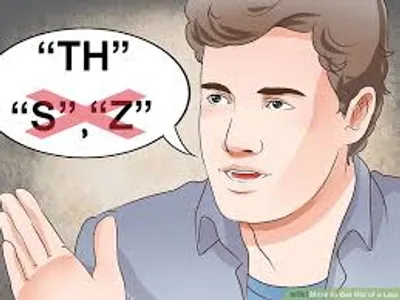
verb🔗ShareNói ngọng, nói lắp. To pronounce the consonant ‘s’ imperfectly; to give ‘s’ and ‘z’ the sounds of ‘th’ (/θ/). This is a speech impediment common among children."My little brother still lisps when he says "sister." "Em trai tôi vẫn còn nói ngọng khi phát âm chữ "sister" thành "thister".phoneticslanguagemedicinecommunicationlinguisticsChat với AIGame từ vựngLuyện đọc
verb🔗ShareNói ngọng, nói lắp. To speak with imperfect articulation; to mispronounce, such as a child learning to talk."The little girl started to lisp when she tried to say her "s" sounds, making them sound like "th." "Cô bé bắt đầu nói ngọng khi cố gắng phát âm âm "s", khiến âm đó nghe thành âm "th".languagephoneticscommunicationChat với AIGame từ vựngLuyện đọc
verb🔗ShareNói lắp bắp, nói lí nhí. To speak hesitatingly and with a low voice, as if afraid."After being caught cheating on the test, the student could only lisp an apology to the teacher. "Bị bắt gian lận trong bài kiểm tra, học sinh đó chỉ có thể lắp bắp lí nhí xin lỗi thầy giáo.languagephoneticscommunicationsoundChat với AIGame từ vựngLuyện đọc
verb🔗ShareNói ngọng, nói líu lưỡi. To express by the use of simple, childlike language."The toddler, still learning to talk, would lisp his requests for "wawa" (water). "Đứa bé mới tập nói thường líu lưỡi khi đòi "oa oa" (nước).languagecommunicationChat với AIGame từ vựngLuyện đọc
verb🔗ShareNói lí nhí, nói thầm, nói nhỏ. To speak with reserve or concealment; to utter timidly or confidentially."to lisp treason"Nói lí nhí những lời phản quốc.communicationlanguagewordChat với AIGame từ vựngLuyện đọc