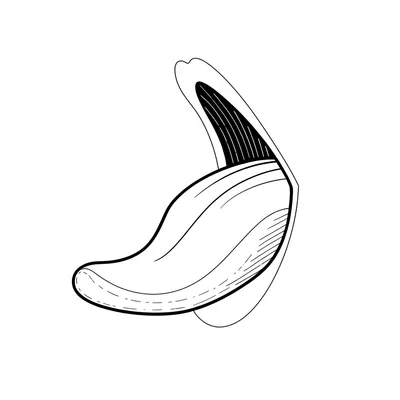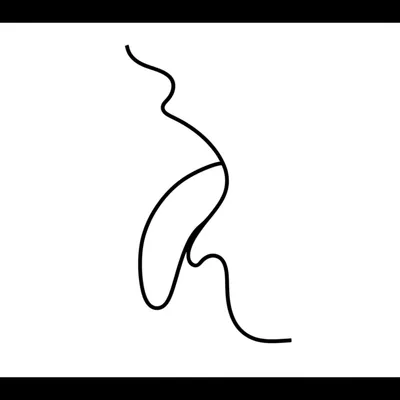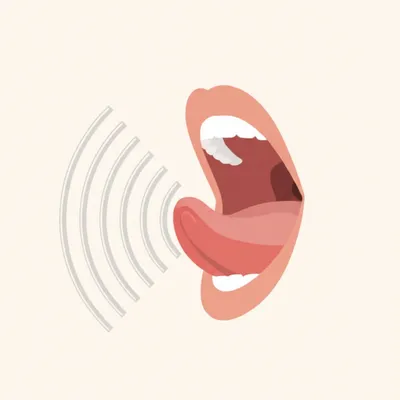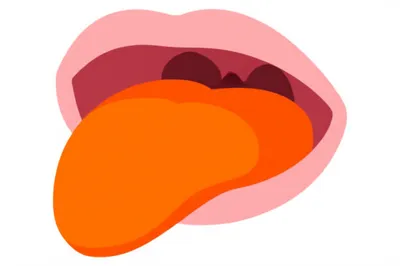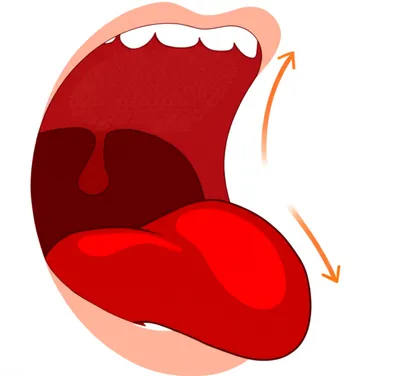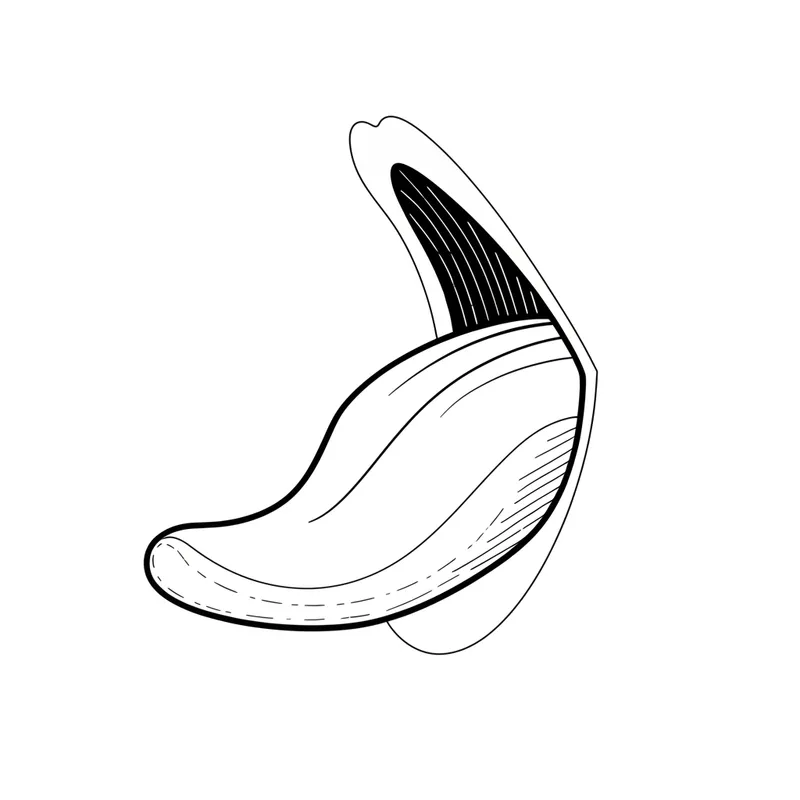

noun🔗ShareÂm uốn lưỡi. A consonant pronounced with the underside of the tongue approaching or touching the palate."The linguist demonstrated how to produce a retroflex by curling her tongue backward towards the roof of her mouth. "Nhà ngôn ngữ học trình diễn cách tạo ra một âm uốn lưỡi bằng cách uốn ngược lưỡi về phía vòm miệng.languagephoneticslinguisticsChat với AIGame từ vựngLuyện đọc
noun🔗ShareÂm uốn lưỡi. A consonant pronounced with the tip of the tongue approaching or touching the back of the alveolar ridge."The phonetics student struggled to produce a clear retroflex when practicing Hindi pronunciation. "Cậu sinh viên ngữ âm đó rất khó khăn để tạo ra một âm uốn lưỡi rõ ràng khi luyện tập phát âm tiếng Hindi.phoneticslanguagelinguisticsChat với AIGame từ vựngLuyện đọc
noun🔗ShareÂm uốn lưỡi. A consonant pronounced with the blade of the tongue approaching or touching the back of the alveolar ridge."The pronunciation of the "r" sound in some dialects of English involves a retroflex. "Trong một vài phương ngữ tiếng Anh, cách phát âm âm "r" có sử dụng âm uốn lưỡi.phoneticslinguisticslanguageChat với AIGame từ vựngLuyện đọc
noun🔗ShareÂm uốn lưỡi. (phonetics, general sense) Any of the aforementioned consonants."The student struggled to pronounce the retroflex correctly, finding the tongue position difficult. "Học sinh đó gặp khó khăn trong việc phát âm chính xác âm uốn lưỡi, vì thấy vị trí lưỡi khó.phoneticslanguagelinguisticsChat với AIGame từ vựngLuyện đọc
adjective🔗ShareUốn ngược, cong ngược. Bent or curved backwards."The doctor noticed a slight retroflex curve in the patient's spine on the X-ray. "Trên phim chụp X-quang, bác sĩ nhận thấy cột sống của bệnh nhân hơi bị cong ngược.directionbodypartlinguisticsphoneticsChat với AIGame từ vựngLuyện đọc
adjective🔗ShareUốn lưỡi, cong lưỡi. Of pronunciation in which the tip of the tongue is raised and bent backwards, so that the underside of the tongue approaches or touches the palate."The teacher explained that the retroflex "r" sound in the word "rural" requires the tongue to curl back. "Giáo viên giải thích rằng âm "r" uốn lưỡi trong từ "rural" đòi hỏi phải cong lưỡi về phía sau.languagephoneticslinguisticsChat với AIGame từ vựngLuyện đọc
adjective🔗ShareUốn lưỡi. Of pronunciation in which the tip of the tongue approaches or touches the back of the alveolar ridge."The speaker's accent was noticeable because she used a retroflex "r" sound, curling her tongue back in her mouth when she pronounced the letter. "Giọng của người nói rất dễ nhận ra vì cô ấy phát âm âm "r" bằng cách uốn lưỡi, tức là cong đầu lưỡi về phía sau vòm miệng khi phát âm chữ này.phoneticslanguagelinguisticsChat với AIGame từ vựngLuyện đọc
adjective🔗ShareUốn lưỡi. Of pronunciation in which the blade of the tongue approaches or touches the back of the alveolar ridge."In some dialects of Mandarin Chinese, the "r" sound is often pronounced with a retroflex tongue position. "Trong một số phương ngữ tiếng Quan Thoại, âm "r" thường được phát âm bằng cách uốn lưỡi.phoneticslinguisticslanguageChat với AIGame từ vựngLuyện đọc
adjective🔗ShareUốn lưỡi. (phonetics, general sense) Of any of the aforementioned pronunciations."The Mandarin Chinese word "shi" often has a retroflex pronunciation, curling the tongue back in the mouth while saying the sound. "Chữ "shi" trong tiếng Quan Thoại thường được phát âm theo kiểu uốn lưỡi, tức là phải cuộn lưỡi ra phía sau trong miệng khi phát âm.phoneticslanguagelinguisticssoundChat với AIGame từ vựngLuyện đọc