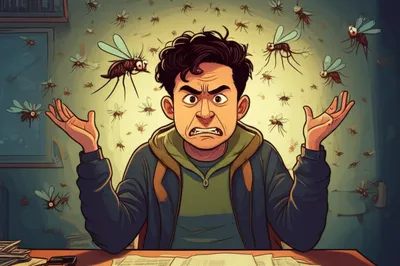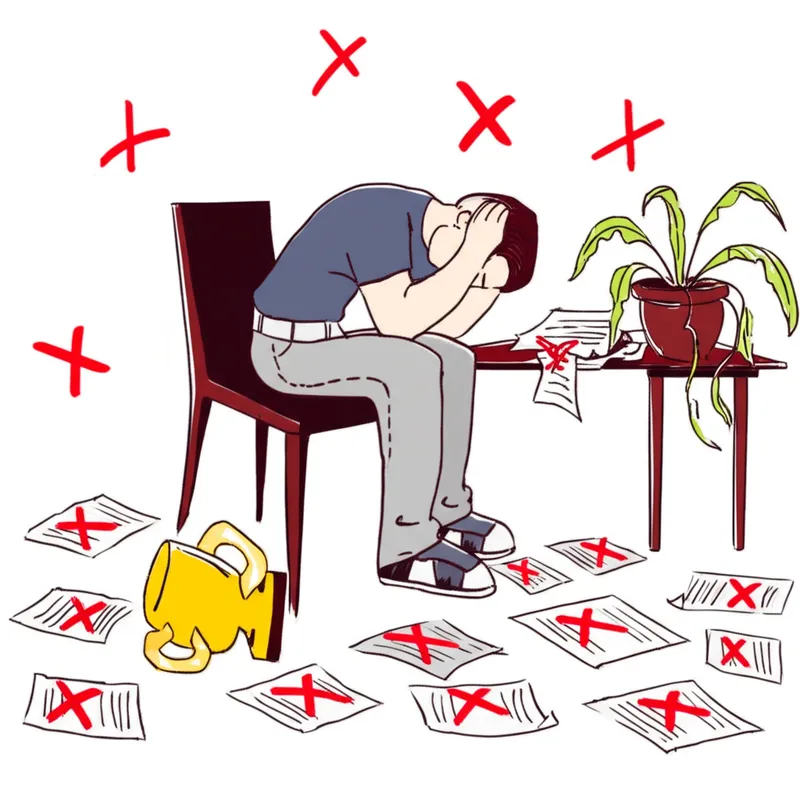






noun🔗ShareBực dọc, thất vọng, tủi hổ. Distress of mind caused by a failure of aims or plans, want of appreciation, mistakes etc; vexation or mortification."To her chagrin, Maria realized she had forgotten to turn in her homework, and now it was too late. "Đến nỗi bực dọc và tủi hổ, Maria nhận ra cô đã quên nộp bài tập về nhà, và giờ thì quá muộn rồi.mindemotionnegativeChat với AIGame từ vựngLuyện đọc
noun🔗ShareDa thuộc sần. A type of leather or skin with a rough surface."The tailor used a thick chagrin for the leather of the new briefcase. "Người thợ may đã dùng một loại da thuộc sần dày để làm phần da của chiếc cặp mới.materialChat với AIGame từ vựngLuyện đọc
verb🔗ShareÁy náy, bực mình, làm bẽ mặt. To bother or vex; to mortify."His poor performance on the math test chagrined his parents. "Việc anh ấy làm bài kiểm tra toán kém khiến bố mẹ anh ấy rất bực mình và thất vọng.emotionattitudecharactermindChat với AIGame từ vựngLuyện đọc
verb🔗ShareBực mình, khó chịu, tức tối. To be vexed or annoyed."My brother chagrined when he failed his math test again. "Anh trai tôi bực mình khi lại thi trượt môn toán.emotionattitudeChat với AIGame từ vựngLuyện đọc
adjective🔗ShareBực dọc, khó chịu, tức tối. Feeling chagrin; annoyed; vexed, fretful."The student felt chagrin at receiving such a low grade on the history test. "Cậu học sinh cảm thấy bực dọc vì nhận điểm thấp như vậy trong bài kiểm tra lịch sử.emotionattitudenegativeChat với AIGame từ vựngLuyện đọc