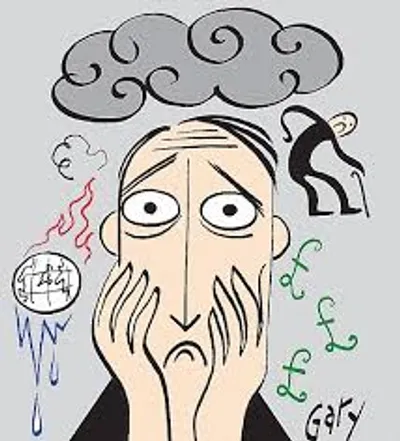

verb🔗ShareSiết, ép, cưỡng ép. To squeeze, press, embrace; to constrain, oppress."The heavy workload was distraining his creativity, making it difficult to come up with fresh ideas. "Khối lượng công việc nặng nề đang siết chặt sự sáng tạo của anh ấy, khiến anh ấy khó có thể nảy ra những ý tưởng mới.actionlawChat với AIGame từ vựngLuyện đọc
verb🔗ShareBắt giữ tài sản, tịch biên tài sản. To force (someone) to do something by seizing their property."to distrain a person by his goods and chattels"Bắt giữ hàng hóa và tài sản cá nhân của một người để buộc người đó phải làm theo.propertylawfinanceChat với AIGame từ vựngLuyện đọc
verb🔗ShareKê biên, tịch thu tài sản. To seize somebody's property in place of, or to force, payment of a debt."Because John failed to pay his rent for three months, the landlord is distraining his furniture to cover the debt. "Vì John không trả tiền thuê nhà ba tháng liền, nên chủ nhà đang kê biên đồ đạc của anh ấy để trả nợ.propertyfinancelawbusinesseconomyChat với AIGame từ vựngLuyện đọc
verb🔗ShareGiật, xé, bứt. To pull off, tear apart."The strong winds distained the old sailcloth from the boat's mast. "Những cơn gió mạnh đã xé toạc tấm vải buồm cũ khỏi cột buồm của thuyền.actionChat với AIGame từ vựngLuyện đọc
noun🔗ShareSự tịch biên, sự xiết nợ. The act or process by which something is distrained."The landlord's distraining of the tenant's belongings was a direct result of unpaid rent. "Việc xiết nợ tài sản của người thuê nhà do chủ nhà thực hiện là hậu quả trực tiếp của việc chưa thanh toán tiền thuê.propertylawfinanceChat với AIGame từ vựngLuyện đọc