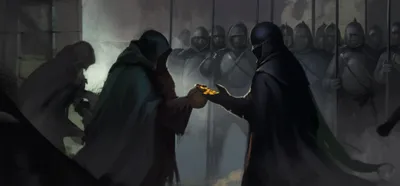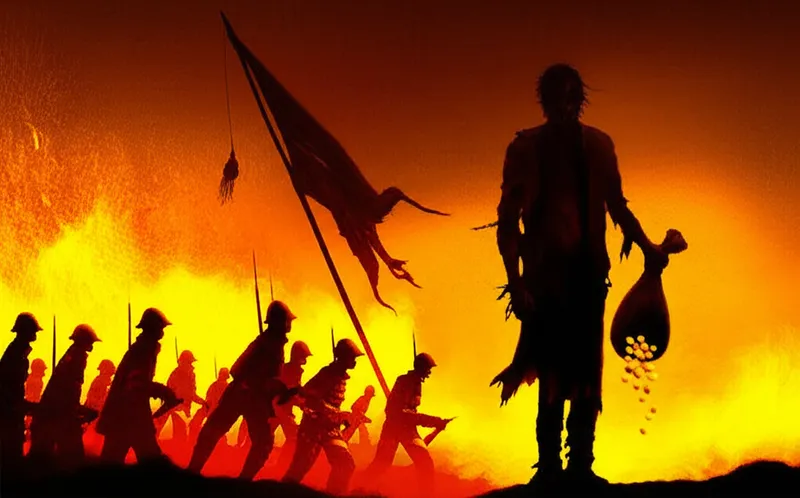

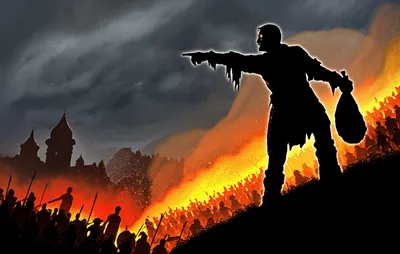
noun🔗ShareKẻ phản quốc, quân phản bội. Someone who violates an allegiance and betrays their country; someone guilty of treason; one who, in breach of trust, delivers their country to an enemy, or yields up any fort or place entrusted to his defense, or surrenders an army or body of troops to the enemy, unless when vanquished"The king's own guards, who secretly opened the city gates to the enemy army, were considered traitors by the loyal citizens. "Những người lính cận vệ của nhà vua, những kẻ bí mật mở cổng thành cho quân địch, bị người dân trung thành xem là quân phản quốc.politicsnationgovernmentmilitarywarlawstatehistorymoralguiltpersonChat với AIGame từ vựngLuyện đọc
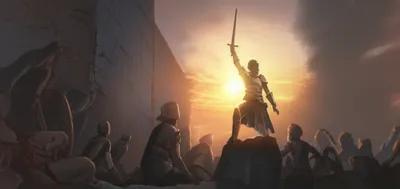
noun🔗ShareKẻ phản quốc, quân phản quốc. Someone who takes arms and levies war against their country; or one who aids an enemy in conquering his country."During the civil war, those who joined the opposing side were considered traitors to their own country. "Trong cuộc nội chiến, những người gia nhập phe đối lập đều bị xem là quân phản quốc vì đã cầm vũ khí chống lại đất nước mình.politicsgovernmentnationmilitarywarpersonstatemoralhistoryChat với AIGame từ vựngLuyện đọc
noun🔗ShareKẻ phản bội, quân phản quốc. Hence, one who betrays any confidence or trust.""The students who shared the exam questions with others were considered traitors to the class." "Những học sinh chia sẻ đề thi cho người khác bị coi là những kẻ phản bội lại lớp, vì đã đánh mất lòng tin của mọi người.politicsnationgovernmentstatemoralcharacterhistorywarlawpersonChat với AIGame từ vựngLuyện đọc
verb🔗SharePhản bội, làm phản, bội phản. To act the traitor toward; to betray; to deceive."The spy traitors his country by selling secrets to the enemy. "Tên gián điệp đã phản bội đất nước bằng cách bán bí mật cho kẻ thù.politicsgovernmentmoralactionnationstatewarmilitaryattitudecharacterlawChat với AIGame từ vựngLuyện đọc