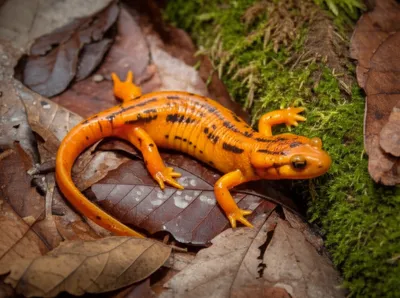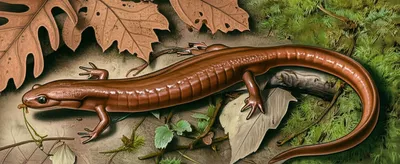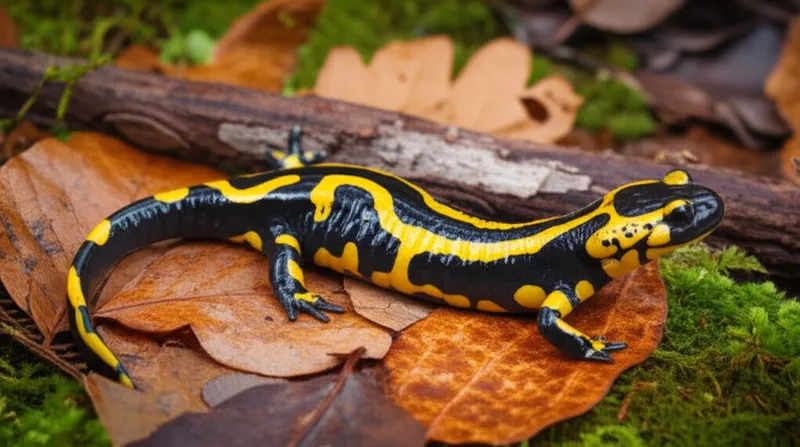



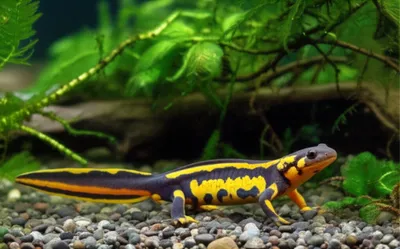
noun🔗ShareLưỡng cư có đuôi, Ca đuôi. Any member of the Caudata order of amphibians."The zoology student learned that a salamander is a type of caudate, characterized by its tail and amphibian nature. "Bạn sinh viên ngành động vật học đã biết rằng kỳ giông là một loài thuộc nhóm lưỡng cư có đuôi, đặc trưng bởi cái đuôi của nó và bản chất lưỡng cư.animalbiologyorganismnatureChat với AIGame từ vựngLuyện đọc
adjective🔗ShareCó đuôi, hình đuôi. Tapering into a long, tail-like extension at the apex."The artist's sculpted figure had a caudate tail, tapering smoothly to a long, pointed end. "Bức tượng điêu khắc của người nghệ sĩ có phần đuôi hình đuôi cá, thon dần về một đầu nhọn dài.appearancebiologyorganismanatomyChat với AIGame từ vựngLuyện đọc
adjective🔗ShareCó đuôi. Having a tail."The comet streaked across the night sky, its caudate form leaving a bright trail behind it. "Sao chổi vạch một đường ngang bầu trời đêm, hình dáng có đuôi của nó để lại một vệt sáng rực rỡ phía sau.animalanatomybiologyChat với AIGame từ vựngLuyện đọc
adjective🔗ShareCó đuôi, thuộc bộ Có đuôi. Of or pertaining to the Caudata order of amphibians."The caudate amphibians, like salamanders, often require moist environments to thrive. "Các loài lưỡng cư có đuôi, như kỳ giông, thường cần môi trường ẩm ướt để sinh trưởng tốt.organismanimalbiologynatureChat với AIGame từ vựngLuyện đọc
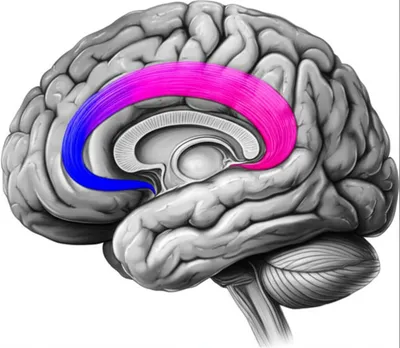
adjective🔗ShareCó đuôi. Indicates an anatomical structure with a tail-like extension, such as the Caudate nucleus."The frog's tadpole form has a caudate body, clearly showing a tail. "Hình dạng nòng nọc của ếch có thân hình có đuôi, thể hiện rõ ràng một cái đuôi.anatomybodyorganChat với AIGame từ vựngLuyện đọc