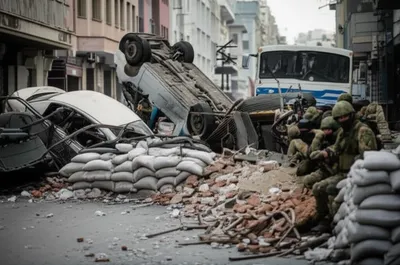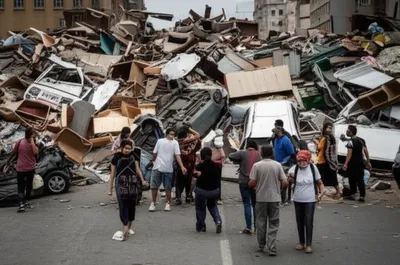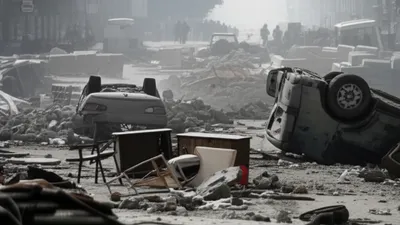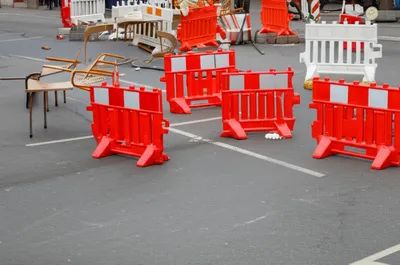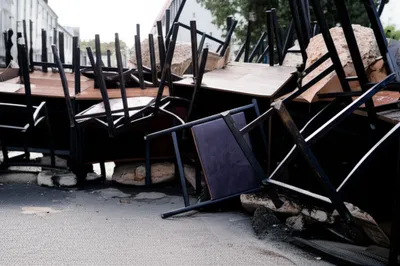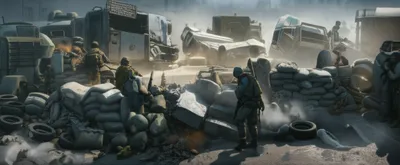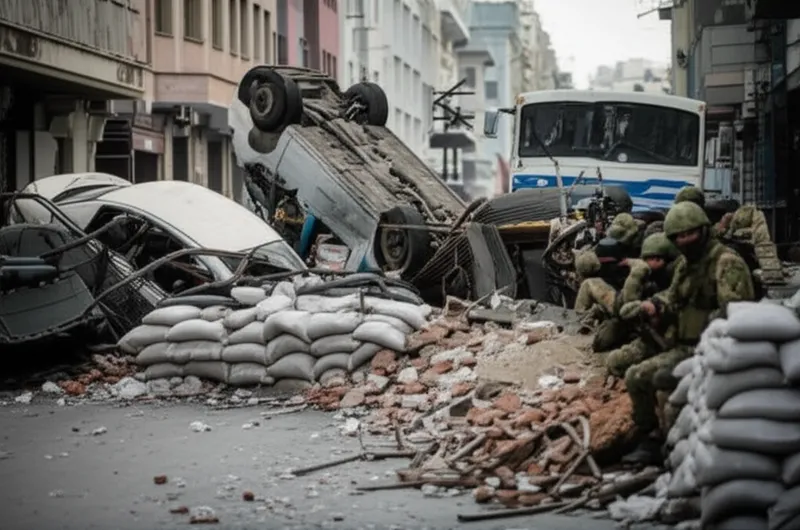

noun🔗ShareChướng ngại vật, vật cản, rào chắn. A barrier constructed across a road, especially as a military defence"During the protest, demonstrators built barricades of trash cans and overturned benches across the street. "Trong cuộc biểu tình, người biểu tình đã dựng chướng ngại vật bằng thùng rác và ghế băng lật ngang chắn ngang đường.militarywarbuildingChat với AIGame từ vựngLuyện đọc
noun🔗ShareChướng ngại vật, rào chắn, vật cản. An obstacle, barrier, or bulwark."The students used chairs and desks to barricade the doorway, preventing the teacher from entering the classroom. "Sinh viên dùng bàn ghế để dựng rào chắn ngang cửa ra vào, ngăn cản giáo viên vào lớp.militarypoliticsbuildingwarChat với AIGame từ vựngLuyện đọc
noun🔗ShareChiến lũy, chướng ngại vật. (in the plural) A place of confrontation."The protest shifted from a peaceful march to a heated argument at the barricades, where police and demonstrators faced each other. "Cuộc biểu tình đã chuyển từ một cuộc tuần hành ôn hòa sang một cuộc tranh cãi gay gắt tại chiến lũy, nơi cảnh sát và người biểu tình đối mặt nhau.politicswarmilitarypolicesocietyplacehistoryChat với AIGame từ vựngLuyện đọc
verb🔗ShareChặn, rào, phong tỏa. To close or block a road etc., using a barricade"The protesters planned to barricade the street to stop the traffic. "Những người biểu tình dự định chặn đường để ngăn xe cộ qua lại.policemilitarypoliticsgovernmentactionChat với AIGame từ vựngLuyện đọc
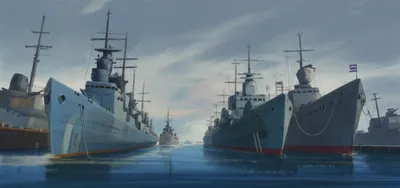
verb🔗ShareChặn, phong tỏa. To keep someone in (or out), using a blockade, especially ships in a port"The navy barricaded the harbor, preventing any ships from entering or leaving. "Hải quân đã phong tỏa cảng, không cho tàu thuyền nào ra vào.militarynauticalactionwarpoliceChat với AIGame từ vựngLuyện đọc