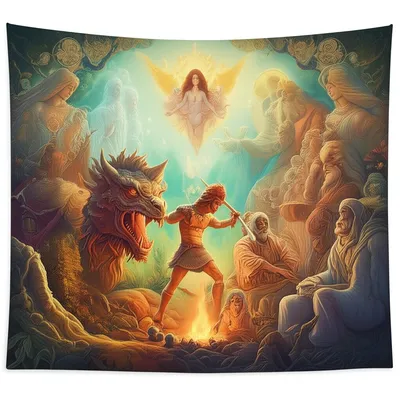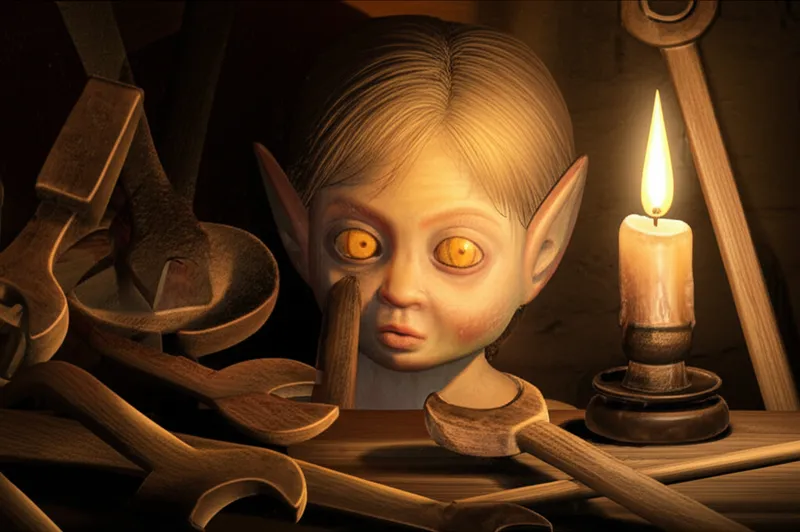

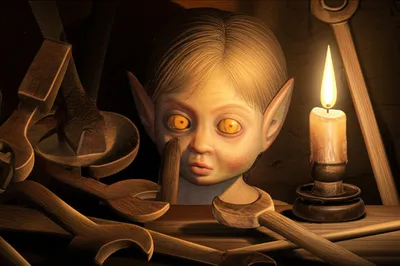
noun Tải xuống 🔗Chia sẻ Yêu tinh, quỷ lùn. (German mythology) An ambivalent, sometimes vindictive, spirit that is capable of materialising as an object or human, often a child; a sprite. Ví dụ : "The old house was said to be haunted by kobolds, mischievous spirits known to hide objects and play tricks on the unsuspecting residents. " Ngôi nhà cổ đó được cho là bị ám bởi yêu tinh, những linh hồn tinh nghịch chuyên giấu đồ đạc và bày trò trêu chọc những người dân vô tội. mythology character story supernatural being Chat với AIGame từ vựngLuyện đọc
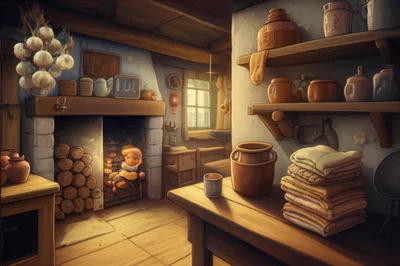
noun Tải xuống 🔗Chia sẻ Yêu tinh, quỷ lùn. (German folklore) A mischievous elf or goblin, or one connected (and helpful) to a family or household. Ví dụ : "The family believed the kobolds in their attic were responsible for fixing small household problems like flickering lights. " Gia đình đó tin rằng những yêu tinh trên gác mái đã sửa chữa những vấn đề nhỏ trong nhà như đèn nhấp nháy. mythology supernatural tradition literature being story character Chat với AIGame từ vựngLuyện đọc
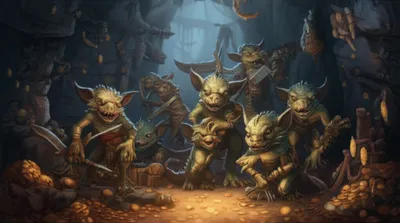
noun Tải xuống 🔗Chia sẻ Yêu tinh, quỷ lùn. (fantasy literature) One of a diminutive and usually malevolent race of beings. Ví dụ : "The group of kobolds, small and snarling, guarded the entrance to their dark cave. " Đám yêu tinh quỷ lùn, nhỏ bé và nhe răng gầm gừ, canh giữ lối vào hang động tối tăm của chúng. mythology literature being character inhuman Chat với AIGame từ vựngLuyện đọc