

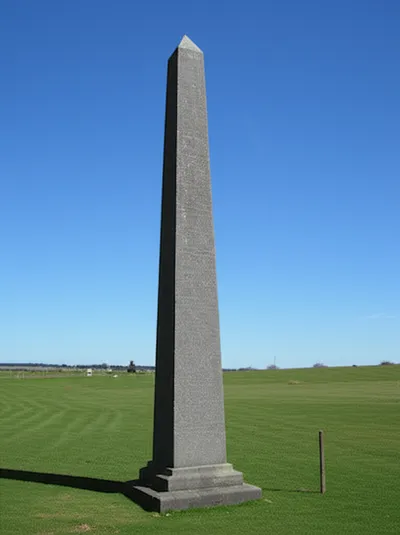

noun🔗ShareCột đá, cột tháp. A tall, square, tapered, stone monolith topped with a pyramidal point, frequently used as a monument."In the park, a tall obelisk stood as a memorial to the town's war veterans. "Trong công viên, một cột đá cao vút sừng sững, là đài tưởng niệm các cựu chiến binh của thị trấn.architecturehistoryartcultureChat với AIGame từ vựngLuyện đọc
verb🔗ShareHướng bụng về phía mặt trời. (of a dragonfly) To adopt the obelisk posture; to point the tip of the abdomen towards the sun."The dragonfly obelisked, its abdomen pointed directly at the afternoon sun. "Con chuồn chuồn hướng bụng về phía mặt trời chiều, cái bụng của nó chỉ thẳng lên phía trên.animalinsectbiologyphysiologynatureChat với AIGame từ vựngLuyện đọc
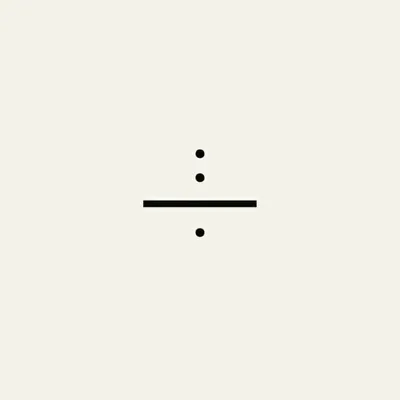
noun🔗ShareCột đá hình tháp. A symbol resembling a horizontal line (–), sometimes together with one or two dots (for example, ⨪ or ÷), which was used in ancient manuscripts and texts to mark a word or passage as doubtful or spurious, or redundant; an obelisk."The scholar noted that several sections of the ancient scroll were marked with an obelisk, indicating passages of questionable authenticity. "Nhà nghiên cứu lưu ý rằng một vài đoạn trong cuộn giấy cổ được đánh dấu bằng ký hiệu gạch ngang (giống cột đá hình tháp), cho thấy những đoạn đó có tính xác thực đáng ngờ.writinglanguageliteraturemarkhistoryarchaeologywordChat với AIGame từ vựngLuyện đọc
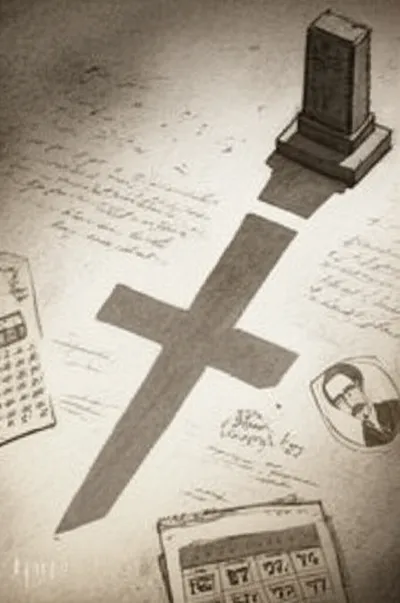
noun🔗ShareDấu chữ thập, dấu dagger. A dagger symbol (†), which is used in printed matter as a reference mark to refer the reader to a footnote, marginal note, etc.; beside a person's name to indicate that the person is deceased; or beside a date to indicate that it is a person's death date; an obelisk."In the historical document, the name "John Smith†" uses the obelisk to indicate that John Smith is deceased. "Trong tài liệu lịch sử, tên "John Smith†" sử dụng dấu dagger (†) để biểu thị rằng John Smith đã qua đời.markwritingarchitecturehistorycultureChat với AIGame từ vựngLuyện đọc