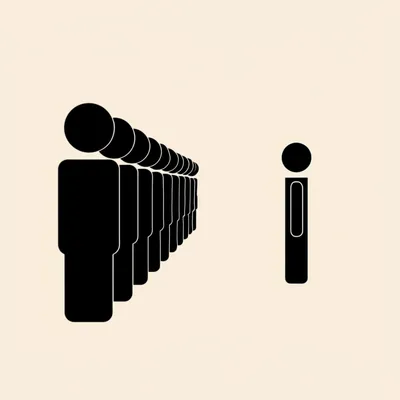








noun🔗ShareVụng về, lúng túng, kỳ cục. Someone or something that is awkward."The awkward at the party kept bumping into people and spilling his drink. "Cái người vụng về ở bữa tiệc cứ liên tục va vào người khác và làm đổ cả đồ uống.characterpersonattitudetoeicChat với AIGame từ vựngLuyện đọc
adjective🔗ShareVụng về, lóng ngóng. Lacking dexterity in the use of the hands, or of instruments."The young boy was awkward at tying his shoelaces, fumbling with the knots. "Cậu bé vụng về khi buộc dây giày, cứ lóng ngóng mãi với mấy cái nút thắt.abilityhumanconditiontoeicChat với AIGame từ vựngLuyện đọc
adjective🔗ShareVụng về, lúng túng, khó xử. Not easily managed or effected; embarrassing."An awkward silence had fallen."Một sự im lặng khó xử đã bao trùm cả căn phòng.characterattitudesituationconditiontoeicChat với AIGame từ vựngLuyện đọc
adjective🔗ShareVụng về, lúng túng, ngượng ngùng. Lacking social skills, or uncomfortable with social interaction."The new student felt awkward at his first school dance, unsure of how to talk to others. "Cậu học sinh mới cảm thấy rất lúng túng trong buổi khiêu vũ đầu tiên ở trường, không biết phải bắt chuyện với ai như thế nào.characterattitudeemotionhumanmindsocietytoeicChat với AIGame từ vựngLuyện đọc
adjective🔗ShareVụng về, khó xử, kỳ cục. Perverse; adverse; difficult to handle."The heavy box was in an awkward position, making it difficult to lift. "Cái hộp nặng ở một vị trí khó xử quá, thành ra nhấc lên rất khó.attitudecharactersituationtoeicChat với AIGame từ vựngLuyện đọc
adverb🔗ShareVụng về, lúng túng. In a backwards direction."The train moved awkwardly backward into the station. "Chuyến tàu di chuyển một cách vụng về, lúng túng lùi vào ga.directionwaytoeicChat với AIGame từ vựngLuyện đọc