adjective Tải xuống 🔗Chia sẻ Cùn hơn, không sắc bén bằng. Having a thick edge or point; not sharp. Ví dụ : "The child complained that his pencil was blunter than his friend's, making it hard to write neatly. " Đứa trẻ phàn nàn rằng bút chì của nó cùn hơn bút chì của bạn, khiến cho việc viết chữ đẹp trở nên khó khăn. quality appearance Chat với AIGame từ vựngLuyện đọc
adjective Tải xuống 🔗Chia sẻ Cùn, chậm hiểu, kém thông minh. Dull in understanding; slow of discernment; opposed to acute. Ví dụ : "Instead of grasping the complex math concept, he seemed blunter and needed the problem explained multiple times in simpler terms. " Thay vì hiểu được khái niệm toán học phức tạp đó, anh ta có vẻ cùn hơn và cần được giải thích bài toán nhiều lần bằng những từ ngữ đơn giản hơn. mind character quality ability Chat với AIGame từ vựngLuyện đọc
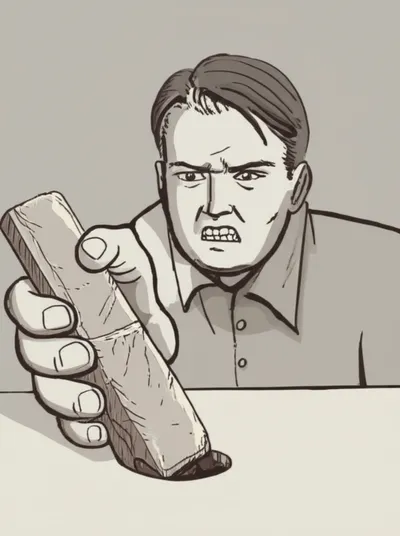
adjective Tải xuống 🔗Chia sẻ Cộc lốc, thẳng tuột, lỗ mãng. Abrupt in address; plain; unceremonious; wanting the forms of civility; rough in manners or speech. Ví dụ : "the blunt admission that he had never liked my company" Lời thú nhận thẳng tuột rằng anh ta chưa bao giờ thích ở cùng tôi. character attitude communication style language moral quality Chat với AIGame từ vựngLuyện đọc
adjective Tải xuống 🔗Chia sẻ Cùn, chai sạn. Hard to impress or penetrate. Ví dụ : "After years of working in the emergency room, the doctor had become blunter to scenes of blood and injury. " Sau nhiều năm làm việc trong phòng cấp cứu, bác sĩ đã trở nên chai sạn trước những cảnh máu me và thương tích. attitude character Chat với AIGame từ vựngLuyện đọc
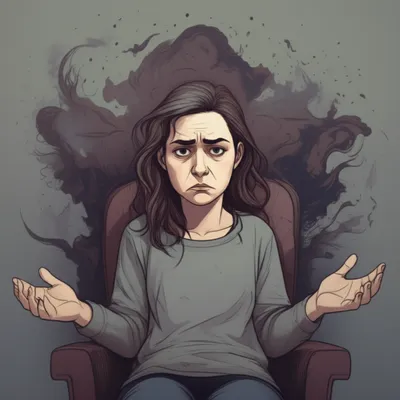
adjective Tải xuống 🔗Chia sẻ Vô cảm, chai sạn. Slow or deficient in feeling: insensitive. Ví dụ : "Even after seeing the homeless man shivering, his face remained blunter than before, showing no empathy. " Ngay cả sau khi thấy người vô gia cư run rẩy, khuôn mặt anh ta vẫn vô cảm hơn trước, không hề tỏ ra chút cảm thông nào. character human mind attitude emotion Chat với AIGame từ vựngLuyện đọc