

hysteria
Định nghĩa

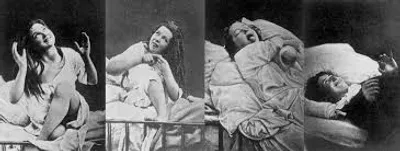

Sự cuồng loạn, chứng cuồng loạn.
Ví dụ :
Chứng cuồng loạn, sự kích động quá mức.
Ví dụ :

Chứng cuồng loạn, Bệnh cuồng loạn (ở phụ nữ).
Ví dụ :
"In the 19th century, some doctors attributed the student's emotional outbursts to hysteria, believing it was a disorder specific to women. "
Vào thế kỷ 19, một số bác sĩ cho rằng những cơn bộc phát cảm xúc của nữ sinh đó là do bệnh cuồng loạn gây ra, họ tin rằng đó là một chứng bệnh đặc biệt chỉ có ở phụ nữ.
Từ liên quan

uncontrollable adjective
/ˌʌnkənˈtroʊləbl̩/ /ˌʌnkənˈtrɒləbl̩/
Không kiểm soát được, mất kiểm soát, không thể điều khiển được.

neurological adjective
/ˌnʊrəˈlɑdʒɪkəl/ /ˌnjʊrəˈlɑdʒɪkəl/
Thần kinh học.
Bác sĩ nghi ngờ một vấn đề liên quan đến thần kinh có thể là nguyên nhân gây ra chứng khó tập trung của cậu bé ở lớp.

attributed verb
/əˈtrɪbjutɪd/ /ˈætrɪˌbjutɪd/
Đổ tại, quy cho, cho là do.





explanation noun
/ˌɛkspləˈneɪʃən/
Giải thích, sự giải thích, lời giải thích.

influences noun
/ˈɪn.fl(j)u.ən.sɪz/
Ảnh hưởng, tác động.

characterized verb
/ˈkæɹəktəɹaɪzd/