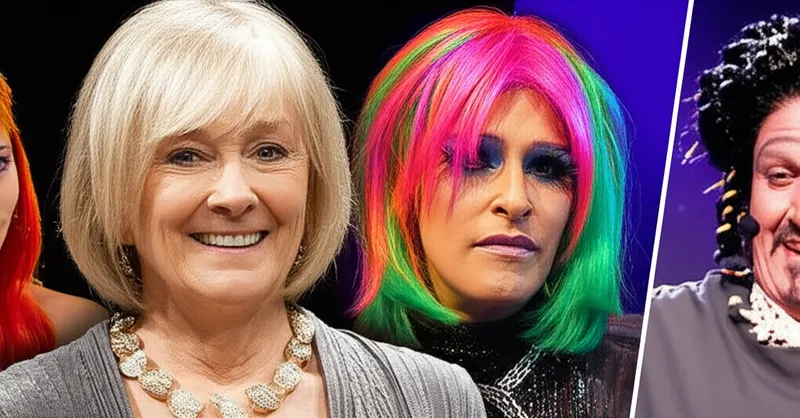
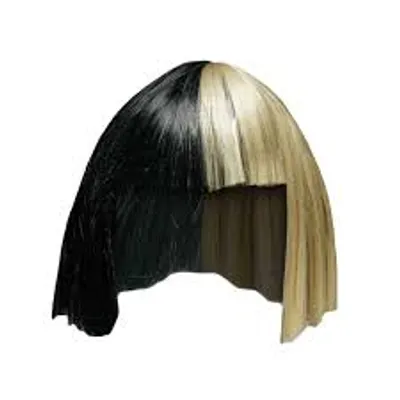
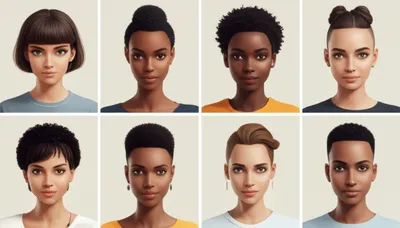
noun Tải xuống 🔗Chia sẻ Tóc giả. A head of real or synthetic hair worn on the head to disguise baldness, for cultural or religious reasons, for fashion, or by actors to help them better resemble the character they are portraying. Ví dụ : "The actor wore a wig to portray the old, bald king in the school play. " Diễn viên đó đội tóc giả để đóng vai một ông vua già và hói trong vở kịch ở trường. appearance culture entertainment style wear Chat với AIGame từ vựngLuyện đọc
noun Tải xuống 🔗Chia sẻ Hải cẩu già. (among fishermen) An old seal. Ví dụ : "The old fisherman pointed at the seal basking on the rocks and said, "That's a wig; been around these parts for years." " Ông lão ngư phủ chỉ tay vào con hải cẩu đang phơi mình trên đá rồi nói: "Đó là một con hải cẩu già; nó ở đây quanh quẩn nhiều năm rồi." animal fish nautical Chat với AIGame từ vựngLuyện đọc
verb Tải xuống 🔗Chia sẻ Đội tóc giả, gắn tóc giả. To put on a wig; to provide with a wig (especially of an actor etc.). Ví dụ : "Before the play, the makeup artist will wig each actor with a historically accurate hairstyle. " Trước buổi diễn, chuyên viên trang điểm sẽ gắn tóc giả cho từng diễn viên để tạo kiểu tóc phù hợp với lịch sử. appearance entertainment style culture Chat với AIGame từ vựngLuyện đọc
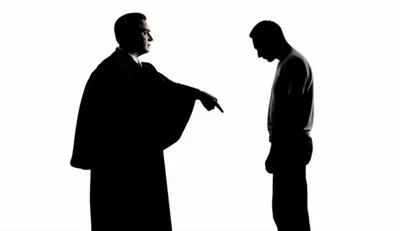
verb Tải xuống 🔗Chia sẻ Quở trách, khiển trách, la rầy. To upbraid, reprimand. Ví dụ : "The teacher wigged out at the student for talking during class. " Cô giáo la rầy học sinh vì nói chuyện trong giờ học. communication language word action Chat với AIGame từ vựngLuyện đọc
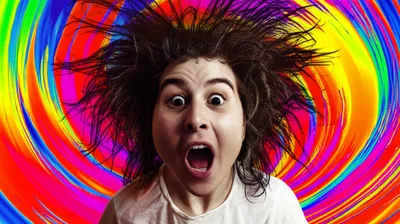
verb Tải xuống 🔗Chia sẻ Điên tiết, nổi đóa, mất bình tĩnh. To become extremely emotional or excitable; to lose control of one's emotions. Ví dụ : "When the student realized he had forgotten to study for the final exam, he started to wig. " Khi sinh viên nhận ra mình đã quên học cho bài thi cuối kỳ, cậu ta bắt đầu nổi đóa lên. emotion mind character human Chat với AIGame từ vựngLuyện đọc