


verb🔗ShareMặc, mang, đeo. To carry or have equipped on or about one's body, as an item of clothing, equipment, decoration, etc."My sister wore a bright red dress to the school dance. "Chị gái tôi mặc một chiếc váy đỏ tươi đến buổi khiêu vũ ở trường.appearancewearitemstyleChat với AIGame từ vựngLuyện đọc
verb🔗ShareMặc, mang. To have or carry on one's person habitually, consistently; or, to maintain in a particular fashion or manner."He wears eyeglasses. She wears her hair in braids."Anh ấy đeo kính thường xuyên. Cô ấy thường tết tóc đuôi sam.appearancewearChat với AIGame từ vựngLuyện đọc
verb🔗ShareMang, khoác, thể hiện. To bear or display in one's aspect or appearance."She wore a smile all day. He walked out of the courtroom wearing an air of satisfaction."Cô ấy nở nụ cười tươi rói suốt cả ngày. Anh ta bước ra khỏi phòng xử án với vẻ mặt đầy mãn nguyện.appearanceChat với AIGame từ vựngLuyện đọc
verb🔗ShareChịu đựng, cố gắng vượt qua. (with "it") To overcome one's reluctance and endure a (previously specified) situation."She wore down her fear of public speaking and finally gave her presentation. "Cuối cùng thì cô ấy cũng chịu đựng và vượt qua được nỗi sợ nói trước đám đông để trình bày bài thuyết trình của mình.attitudesituationmindChat với AIGame từ vựngLuyện đọc
verb🔗ShareMòn, hao mòn. To eat away at, erode, diminish, or consume gradually; to cause a gradual deterioration in; to produce (some change) through attrition, exposure, or constant use."The constant use of the old pencil had worn away the graphite. "Việc sử dụng liên tục cây bút chì cũ đã làm mòn hết ruột chì.materialgeologyenvironmentwearconditionprocesstimeChat với AIGame từ vựngLuyện đọc
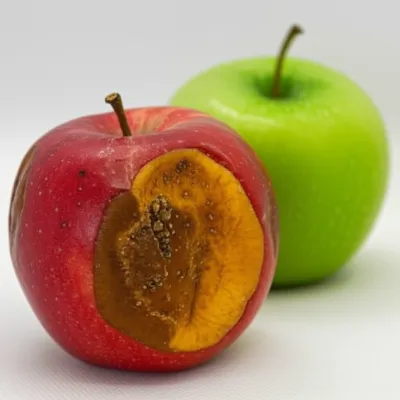
verb🔗ShareMòn, hao mòn, sờn, cũ. To undergo gradual deterioration; become impaired; be reduced or consumed gradually due to any continued process, activity, or use."The old car's engine was worn out from years of daily use. "Động cơ của chiếc xe cũ đã bị hao mòn do sử dụng hàng ngày trong nhiều năm.conditionprocesstimewearChat với AIGame từ vựngLuyện đọc
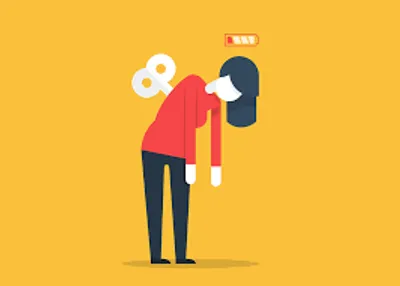
verb🔗ShareMòn, hao mòn, làm mệt mỏi. To exhaust, fatigue, expend, or weary."His neverending criticism has finally worn my patience. Toil and care soon wear the spirit. Our physical advantage allowed us to wear the other team out and win."Những lời chỉ trích không ngớt của anh ta cuối cùng cũng đã làm tôi hết kiên nhẫn. Lao động vất vả và lo lắng sớm làm hao mòn tinh thần. Lợi thế về thể lực giúp chúng tôi làm cho đội kia mệt mỏi và giành chiến thắng.physiologyconditionwearbodyenergyChat với AIGame từ vựngLuyện đọc
verb🔗ShareBền, chịu đựng, tồn tại, dùng được. To last or remain durable under hard use or over time; to retain usefulness, value, or desirable qualities under any continued strain or long period of time; sometimes said of a person, regarding the quality of being easy or difficult to tolerate."The old leather briefcase has worn well, still holding all my important documents after years of daily use. "Cái cặp da cũ đã dùng rất bền, vẫn đựng được tất cả giấy tờ quan trọng của tôi sau nhiều năm sử dụng hàng ngày.qualitytimewearconditionChat với AIGame từ vựngLuyện đọc
verb🔗ShareLàm mệt mỏi, gây khó chịu, làm kiệt sức. (in the phrase "wearing on (someone)") To cause annoyance, irritation, fatigue, or weariness near the point of an exhaustion of patience."Her high pitched voice is really wearing on me lately."Giọng nói the thé của cô ấy dạo này làm tôi phát mệt lên được.emotionmindsensationChat với AIGame từ vựngLuyện đọc
verb🔗ShareMòn, trôi qua chậm chạp. (of time) To pass slowly, gradually or tediously."wear on, wear away. As the years wore on, we seemed to have less and less in common."Khi năm tháng dần trôi qua, chúng tôi dường như ngày càng ít điểm chung hơn.timeChat với AIGame từ vựngLuyện đọc
verb🔗ShareLèo lái, đổi hướng gió. To bring (a sailing vessel) onto the other tack by bringing the wind around the stern (as opposed to tacking when the wind is brought around the bow); to come round on another tack by turning away from the wind. Also written "ware". Past: weared, or wore/worn."The sailboat weared, bringing the wind from the front to the back of the boat. "Chiếc thuyền buồm lèo lái, đổi hướng gió từ phía trước ra phía sau thuyền.nauticalsailingtechnicalChat với AIGame từ vựngLuyện đọc
verb🔗ShareCanh gác, bảo vệ, trấn giữ. To guard; watch; keep watch, especially from entry or invasion."The security guard wore the building all night to prevent any intruders. "Người bảo vệ canh gác tòa nhà suốt đêm để ngăn chặn mọi kẻ xâm nhập.militarypolicegovernmentactionChat với AIGame từ vựngLuyện đọc
verb🔗ShareChe chở, bảo vệ. To defend; protect."The soldiers were worn by their commanding officer, who kept them safe from harm during the ambush. "Những người lính được sĩ quan chỉ huy che chở, bảo vệ, giúp họ an toàn khỏi nguy hiểm trong cuộc phục kích.militarywaractionChat với AIGame từ vựngLuyện đọc
verb🔗ShareĐẩy lùi, ngăn chặn, xua đuổi. To ward off; prevent from approaching or entering; drive off; repel."to wear the wolf from the sheep"Để xua đuổi chó sói khỏi đàn cừu.actionmilitaryChat với AIGame từ vựngLuyện đọc
verb🔗ShareDẫn dắt, dìu dắt. To conduct or guide with care or caution, as into a fold or place of safety."The teacher carefully worn the shy student into the group discussion, guiding him gently toward a comfortable place to participate. "Cô giáo cẩn thận dìu dắt cậu học sinh nhút nhát vào cuộc thảo luận nhóm, nhẹ nhàng hướng dẫn em đến một vị trí thoải mái để tham gia.actionwearChat với AIGame từ vựngLuyện đọc
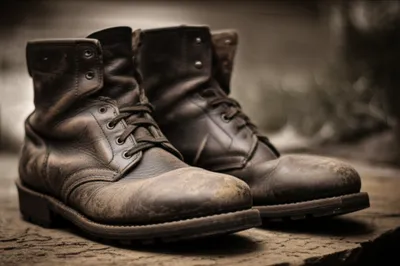
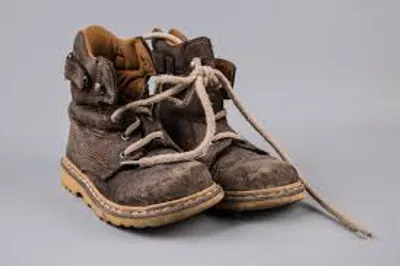
adjective🔗ShareSờn, cũ, mòn. Damaged and shabby as a result of much use"The old jacket, worn from years of daily use, was finally replaced. "Chiếc áo khoác cũ, sờn rách vì mặc hàng ngày bao năm nay, cuối cùng cũng được thay mới.appearanceconditionqualityChat với AIGame từ vựngLuyện đọc