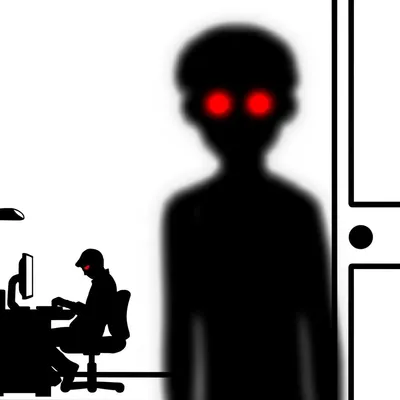
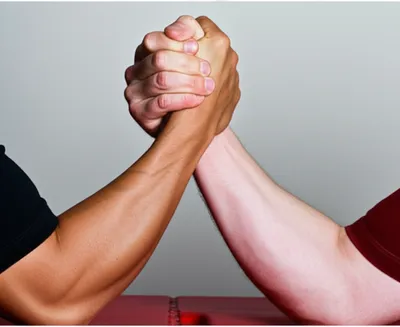
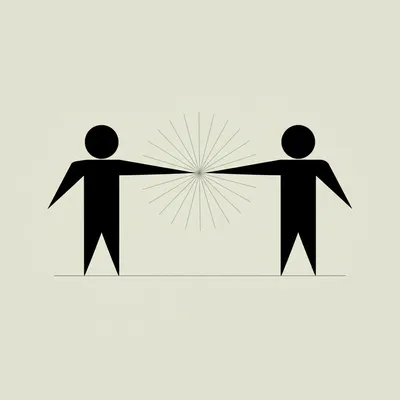
noun🔗ShareKẻ địch, đối thủ, người chống đối. An opponent or enemy."The school bully was the antagonist in many students' lives. "Thằng bắt nạt ở trường là kẻ đối đầu gây khó dễ cho cuộc sống của rất nhiều học sinh.storycharacterpersonliteratureChat với AIGame từ vựngLuyện đọc
noun🔗ShareKẻ đối địch, người chống đối, nhân vật phản diện. One who antagonizes or stirs."The school's new principal was the antagonist in the teachers' union's negotiations. "Hiệu trưởng mới của trường là người gây khó dễ và cản trở cuộc đàm phán của công đoàn giáo viên.characterpersonstoryChat với AIGame từ vựngLuyện đọc
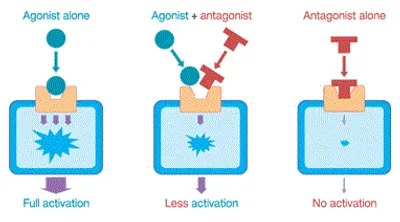
noun🔗ShareChất đối kháng. A chemical that binds to a receptor but does not produce a physiological response, blocking the action of agonist chemicals."2001: The calcium antagonists represent one of the top ten classes of prescription drugs in terms of commercial value, with worldwide sales of nearly $10 billion in 1999. — Leslie Iversen, Drugs: A Very Short Introduction (Oxford 2001, p. 41)"Năm 2001: Các chất đối kháng canxi là một trong mười loại thuốc kê đơn hàng đầu về giá trị thương mại, với doanh thu toàn cầu gần 10 tỷ đô la vào năm 1999.medicinebiochemistryphysiologybiologysciencecompoundChat với AIGame từ vựngLuyện đọc
noun🔗ShareNhân vật phản diện, kẻ đối địch. (authorship) The main character or force opposing the protagonist in a literary work or drama."In the school play, the antagonist was the jealous classmate who tried to sabotage the protagonist's project. "Trong vở kịch của trường, nhân vật phản diện là người bạn học ghen tị, kẻ đã cố gắng phá hoại dự án của nhân vật chính.literaturecharacterstoryChat với AIGame từ vựngLuyện đọc
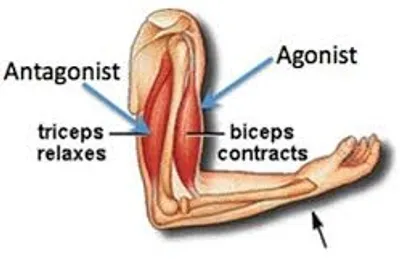
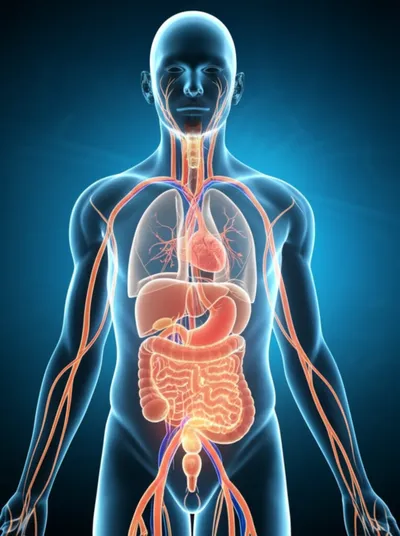
noun🔗ShareCơ đối kháng A muscle that acts in opposition to another."A flexor, which bends a part, is the antagonist of an extensor, which extends it."Cơ gấp, có tác dụng làm gập một bộ phận, là cơ đối kháng của cơ duỗi, có tác dụng làm duỗi bộ phận đó ra.physiologyanatomybodyChat với AIGame từ vựngLuyện đọc