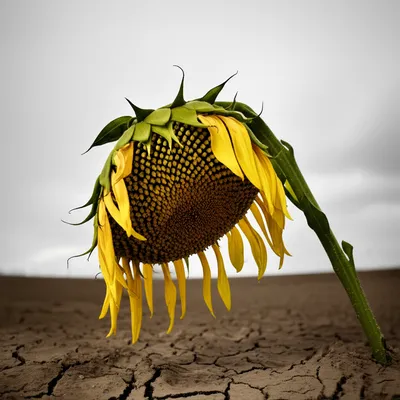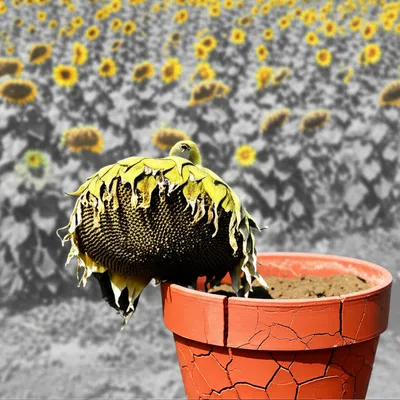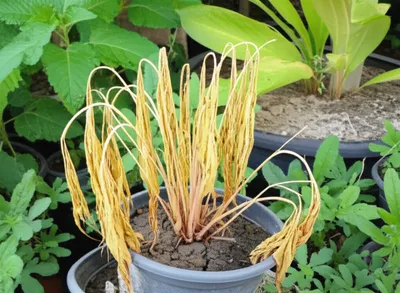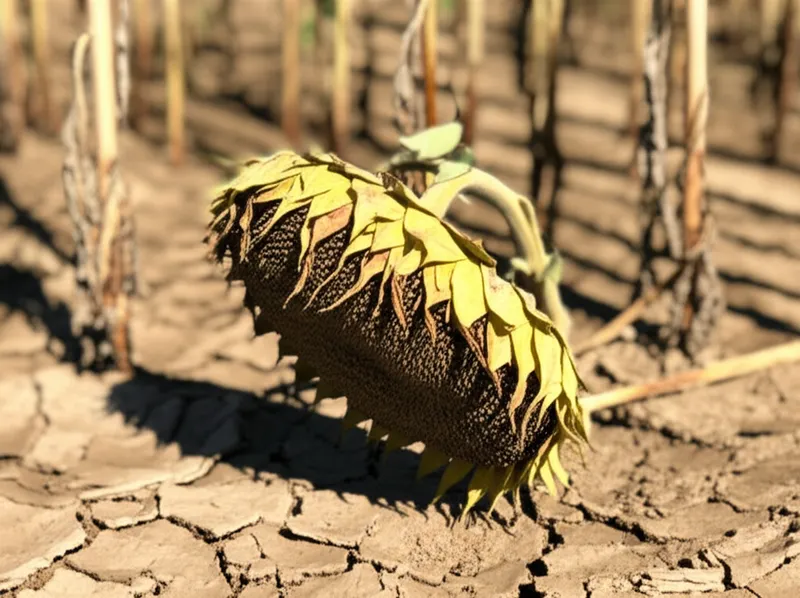




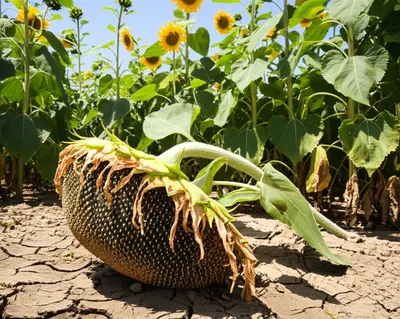


verb🔗ShareTàn tạ, suy yếu, héo mòn. To lose strength and become weak; to be in a state of weakness or sickness."The neglected plant began to languish without water and sunlight. "Cây cảnh bị bỏ bê bắt đầu tàn tạ vì thiếu nước và ánh nắng.diseasebodyconditionphysiologyChat với AIGame từ vựngLuyện đọc
verb🔗ShareHéo hon, tàn tạ, mòn mỏi. To pine away in longing for something; to have low spirits, especially from lovesickness."He languished without his girlfriend"Anh ấy héo hon mòn mỏi vì thiếu vắng bạn gái.emotionmindsufferingconditionhumanliteratureChat với AIGame từ vựngLuyện đọc
verb🔗ShareTàn tạ, suy mòn, héo hon. To live in miserable or disheartening conditions."He languished in prison for years"Anh ấy tàn tạ trong tù nhiều năm trời.conditionsufferingemotionmindChat với AIGame từ vựngLuyện đọc
verb🔗ShareTàn tạ, suy yếu, héo mòn. To be neglected; to make little progress, be unsuccessful."The case languished for years before coming to trial."Vụ kiện đó bị bỏ bê suốt nhiều năm trời rồi mới được đưa ra xét xử.conditionmindbodysufferingChat với AIGame từ vựngLuyện đọc
verb🔗ShareTàn tạ, suy yếu, làm cho tàn tạ. To make weak; to weaken, devastate."The long, harsh winter had languished the farmer's crops, leaving them weak and barely able to survive. "Mùa đông dài và khắc nghiệt đã tàn phá mùa màng của người nông dân, khiến chúng suy yếu và gần như không thể sống sót.bodymedicinediseasesufferingconditionphysiologyChat với AIGame từ vựngLuyện đọc
verb🔗ShareUể oải, ủ rũ, ra vẻ mệt mỏi. To affect a languid air, especially disingenuously."Maria, hoping for attention, would languish theatrically in her chair whenever her mother asked her to do chores, pretending to be too tired to move. "Maria, vì muốn được chú ý, cứ mỗi lần mẹ bảo làm việc nhà là cô lại ủ rũ ngồi trên ghế một cách làm quá, giả vờ mệt mỏi không nhúc nhích nổi.attitudecharacterappearancemindChat với AIGame từ vựngLuyện đọc