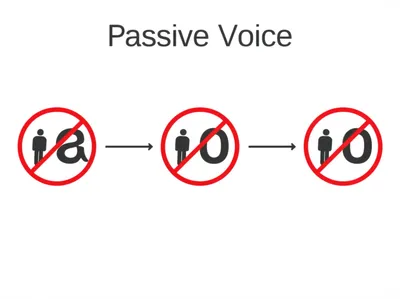


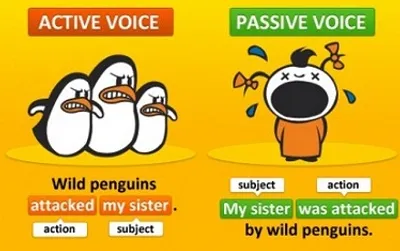


noun🔗ShareThể bị động. (grammar) The passive voice of verbs."The passive voice is often used in school reports to describe scientific experiments. "Thể bị động thường được dùng trong các báo cáo ở trường để mô tả các thí nghiệm khoa học.grammarlanguagelinguisticsieltsChat với AIGame từ vựngLuyện đọc
noun🔗ShareThể bị động. (grammar) A form of a verb that is in the passive voice."The passive voice is often used in academic writing to maintain objectivity. "Thể bị động thường được dùng trong văn phong học thuật để duy trì tính khách quan.grammarlanguagelinguisticsieltsChat với AIGame từ vựngLuyện đọc
noun🔗ShareKhách hàng thụ động. A customer who is satisfied with a product or service, but not keen enough to promote it by word of mouth."The passive customer waited for the new phone to be discounted, but didn't actively recommend it to anyone. "Người khách hàng thụ động chờ chiếc điện thoại mới giảm giá, nhưng không chủ động giới thiệu nó cho ai cả.businesscommerceeconomyserviceieltsChat với AIGame từ vựngLuyện đọc
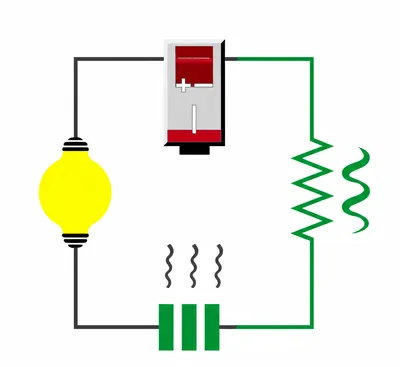
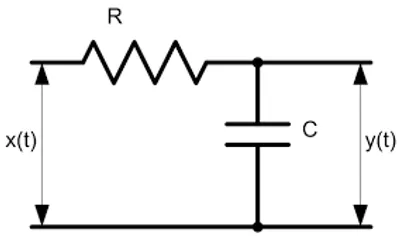
noun🔗ShareThụ động. Any component that consumes but does not produce energy, or is incapable of power gain."The resistor in the circuit is a passive component; it uses energy but doesn't generate any itself. "Điện trở trong mạch là một thành phần thụ động; nó tiêu thụ năng lượng nhưng không tự tạo ra năng lượng.electronicsenergytechnicalphysicsieltsChat với AIGame từ vựngLuyện đọc
adjective🔗ShareBị động, thụ động. Being subjected to an action without producing a reaction."The student remained passive during the class discussion, not contributing any ideas. "Trong suốt buổi thảo luận trên lớp, học sinh đó giữ thái độ bị động, không đóng góp bất kỳ ý kiến nào.attitudecharacteractionieltsChat với AIGame từ vựngLuyện đọc
adjective🔗ShareBị động, thụ động, không chủ động. Taking no action."He remained passive during the protest."Anh ấy đã giữ thái độ thụ động trong suốt cuộc biểu tình.attitudecharacteractionieltsChat với AIGame từ vựngLuyện đọc
adjective🔗ShareBị động. (grammar) Being in the passive voice."The essay was written by the student, but the teacher preferred the passive voice version. "Bài luận do sinh viên viết, nhưng giáo viên thích phiên bản dùng thể bị động hơn.grammarlanguagelinguisticsieltsChat với AIGame từ vựngLuyện đọc
adjective🔗ShareBị động, thụ động, yếu thế. Being inactive and submissive in a relationship, especially in a sexual one."During the conflict with his boss, Mark took a passive role, letting the situation escalate without voicing his concerns. "Trong cuộc xung đột với sếp, Mark đã hành xử một cách thụ động, để tình hình trở nên căng thẳng hơn mà không hề lên tiếng bày tỏ lo ngại của mình.sexcharacterattitudehumanpersonbeingieltsChat với AIGame từ vựngLuyện đọc
adjective🔗ShareThụ động, bàng quan, không tham gia. Not participating in management."The student was passive in class discussions; he rarely spoke. "Trong các buổi thảo luận trên lớp, sinh viên đó rất thụ động; cậu ta hiếm khi phát biểu ý kiến.businessorganizationattitudeieltsChat với AIGame từ vựngLuyện đọc
adjective🔗ShareBị động, thụ động. Without motive power."a passive balloon; a passive aeroplane; passive flight, such as gliding and soaring"Một quả bóng bay không có động cơ; một chiếc máy bay không có động cơ; kiểu bay bị động, như là lượn và bay liệng.energyphysicstechnicalmachineieltsChat với AIGame từ vựngLuyện đọc
adjective🔗ShareBị động. Of a component: that consumes but does not produce energy, or is incapable of power gain."The TV remote is a passive device; it consumes electricity to operate, but it doesn't generate any power itself. "Cái điều khiển TV là một thiết bị bị động; nó tiêu thụ điện để hoạt động, nhưng bản thân nó không tạo ra bất kỳ năng lượng nào.energyelectronicstechnologyphysicsieltsChat với AIGame từ vựngLuyện đọc