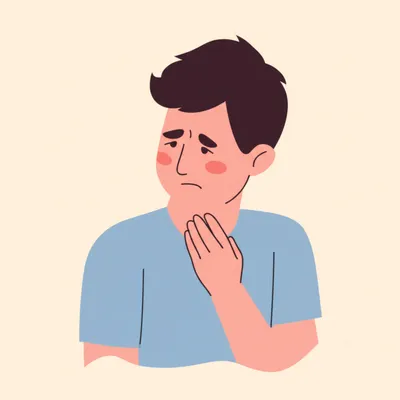

verb🔗ShareXấu hổ, làm bối rối, làm ngượng ngùng. To humiliate; to disrupt somebody's composure or comfort with acting publicly or freely; to disconcert; to abash"The teacher embarrassed the student by publicly calling out a wrong answer during the quiz. "Giáo viên làm cho học sinh bối rối bằng cách công khai chỉ ra câu trả lời sai của em ấy trong bài kiểm tra.emotionmindattitudecharacterhumansensationpersonChat với AIGame từ vựngLuyện đọc
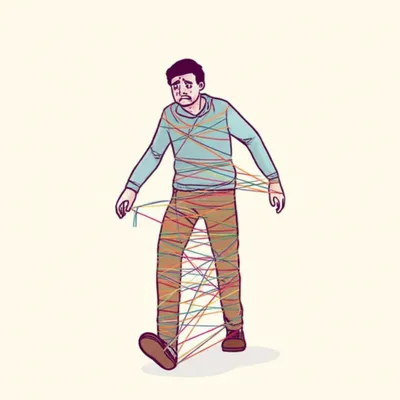
verb🔗ShareNgăn cản, cản trở, làm vướng víu. To hinder from liberty of movement; to impede; to obstruct."The motion was advanced in order to embarrass the progress of the bill."Đề xuất được đưa ra nhằm cản trở tiến trình thông qua dự luật.emotionmindhumanChat với AIGame từ vựngLuyện đọc
verb🔗ShareMắc nợ, làm cho túng thiếu, đẩy vào cảnh khó khăn tài chính. To involve in difficulties concerning money matters; to encumber with debt; to beset with urgent claims or demands."A man or his business is embarrassed when he cannot meet his pecuniary engagements."Một người đàn ông hoặc doanh nghiệp của anh ta bị rơi vào cảnh túng thiếu khi không thể thanh toán các khoản nợ tài chính.businessfinanceChat với AIGame từ vựngLuyện đọc
adjective🔗ShareNgượng ngùng, xấu hổ, mắc cỡ. Having a feeling of shameful discomfort."After returning from the pool, Aleshia felt significantly better, though she was still slightly embarrassed."Sau khi đi bơi về, Aleshia cảm thấy dễ chịu hơn nhiều, mặc dù cô ấy vẫn còn hơi ngượng ngùng một chút.mindsensationemotioncharacterattitudehumanChat với AIGame từ vựngLuyện đọc
adjective🔗ShareNgượng ngùng, xấu hổ. Impeded; obstructed."The narrow hallway was embarrassed by the overflowing boxes, making it difficult to move through. "Hành lang hẹp bị những thùng hàng chất đống cản trở, khiến việc đi lại trở nên khó khăn.mindemotionChat với AIGame từ vựngLuyện đọc