

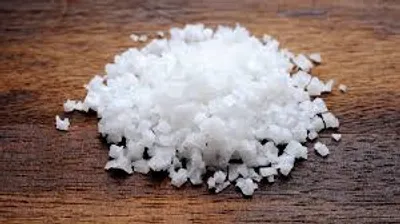



adjective🔗ShareMặn, có vị muối. Tasting of salt."The popcorn was too salty. "Bắp rang bơ này mặn quá.sensationfoodChat với AIGame từ vựngLuyện đọc
adjective🔗ShareMặn, có muối. Containing salt."The soup was too salty, so I added some more water. "Tô canh này mặn quá, nên tôi đã thêm một chút nước.foodchemistrysubstancesensationChat với AIGame từ vựngLuyện đọc
adjective🔗ShareThô tục, khiếm nhã, cay cú. Coarse, provocative, earthy; said of language."My grandfather's comments about my job were often salty and made me uncomfortable. "Những lời bình luận của ông tôi về công việc của tôi thường khá thô tục và khiến tôi không thoải mái.languagecharacterattitudeChat với AIGame từ vựngLuyện đọc
adjective🔗ShareTừng trải, lão luyện, dày dạn sương gió. Experienced, especially used to indicate a veteran of the naval services; salty dog (from salt of the sea)."The old sailor was a salty veteran, having spent decades at sea. "Ông thủy thủ già đó là một người từng trải, dày dạn sương gió, đã dành cả mấy chục năm lênh đênh trên biển.nauticalsailingmilitaryoceanChat với AIGame từ vựngLuyện đọc
adjective🔗ShareKhó chịu, bực bội, cay cú. Irritated, annoyed (from the sharp, spicy flavor of salt)."My brother's comments about my presentation were so salty; I could feel my cheeks flush. "Những lời nhận xét của anh trai tôi về bài thuyết trình của tôi cay cú quá; tôi cảm thấy mặt mình đỏ bừng lên.attitudeemotioncharacterChat với AIGame từ vựngLuyện đọc
adjective🔗ShareHờn dỗi, tự ái, khó chịu. Indignant or offended due to over-sensitivity, humourlessness, disappointment, or defeat (implying the person is a crybaby, shedding salty tears); said of interlocutors expressing indignation, or merely disagreement."My brother was incredibly salty after losing the video game tournament. "Sau khi thua giải đấu game, thằng anh trai tôi hậm hực khó chịu ra mặt.attitudecharacteremotionpersonChat với AIGame từ vựngLuyện đọc
adjective🔗SharePertaining to the Sardinian language and those dialects of Catalan, spoken in the Balearic Islands and along the coast of Catalonia, that use definitive articles descended from the Latin ipse instead of the Latin ille."My grandmother speaks a salty dialect of Catalan, using the word "sa" for "the" instead of "el." "Bà tôi nói một phương ngữ Catalan kiểu "salty," dùng từ "sa" thay vì "el" cho mạo từ "the," giống như tiếng Sardinia.languagelinguisticsChat với AIGame từ vựngLuyện đọc