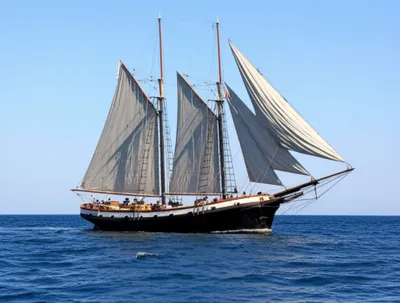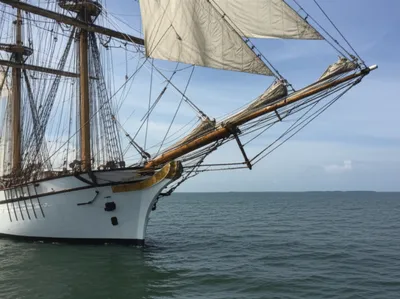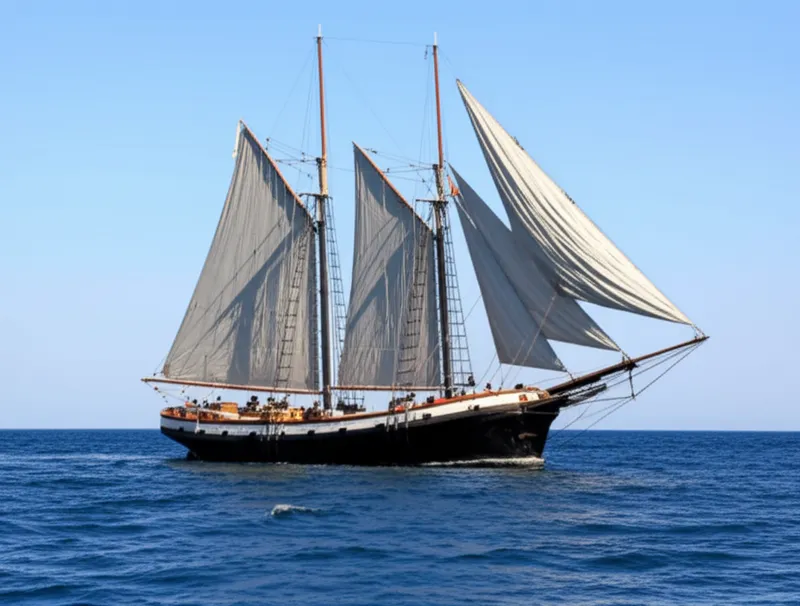

noun🔗ShareCần bằng, tay chống. Any of various projecting beams or spars that provide support for a sailing ship's mast."The ancient sailing ship relied on sturdy outriggers to keep its tall mast from toppling over in strong winds. "Con tàu buồm cổ xưa đó dựa vào những cần bằng chắc chắn để giữ cho cột buồm cao của nó không bị đổ khi gặp gió lớn.nauticalsailingpartvehicleChat với AIGame từ vựngLuyện đọc
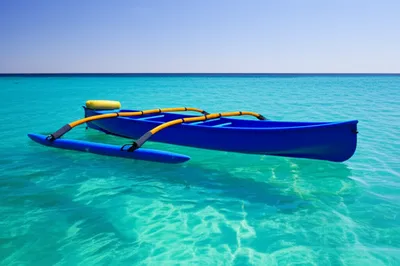
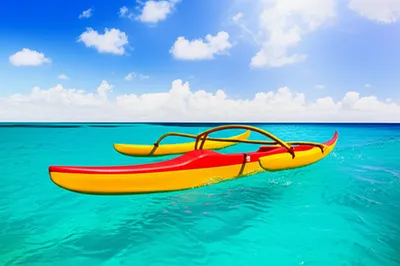
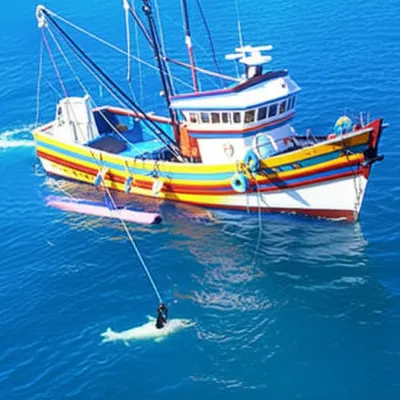
noun🔗ShareCái chống, ván thăng bằng. A long thin timber, pontoon, or other float attached parallel to a canoe or boat by projecting struts as a means of preventing tipping or capsizing."The fishing boat had outriggers, making it more stable in the choppy water. "Chiếc thuyền đánh cá có gắn thêm cái chống (ván thăng bằng), giúp thuyền устойчиво hơn khi đi trên mặt nước động.nauticalsailingvehicletechnicaloceanChat với AIGame từ vựngLuyện đọc
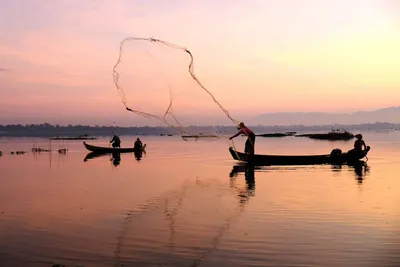
noun🔗ShareCano hai thân, thuyền có gắn thêm phao. An outrigger canoe or boat."The fishermen paddled their outriggers further out to sea, hoping for a bigger catch. "Những người đánh cá chèo thuyền hai thân của họ ra khơi xa hơn, hy vọng đánh bắt được nhiều cá hơn.nauticalvehiclesailingChat với AIGame từ vựngLuyện đọc
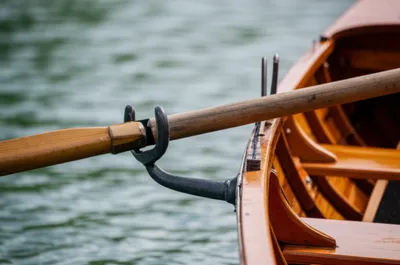
noun🔗ShareCàng, giá đỡ. An iron bracket or brace for an oarlock projecting from the side of a rowing boat."The rowing team carefully adjusted the outriggers on their boat before the race. "Trước cuộc đua, đội đua thuyền cẩn thận điều chỉnh càng (giá đỡ mái chèo) trên thuyền của họ.nauticalsailingvehiclepartChat với AIGame từ vựngLuyện đọc
noun🔗ShareCàng, thanh chống lật. An extension mechanism, often retractable when not in use, on a boat, vehicle, or structure which helps to stabilize it to keep it from tipping over."The construction crane extended its outriggers to prevent it from tipping while lifting the heavy steel beam. "Cần cẩu xây dựng đã mở rộng các thanh chống lật của nó để tránh bị lật khi nâng dầm thép nặng.nauticalvehiclesailingstructuretechnicalmachineChat với AIGame từ vựngLuyện đọc
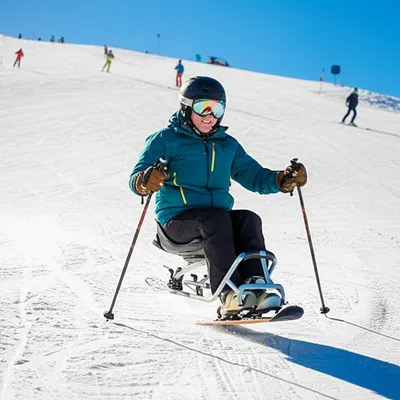
noun🔗ShareCặp nạng trượt tuyết, nạng trượt tuyết có ván. A type of ski pole, with skis attached at the bottom, instead of the spike/pick found on a normal pole. It is used in downhill skiing variants of para-skiing, especially those that use a sit-ski, such as the monoski."The monoski user relied on their outriggers for balance and stability as they carved down the snowy slope. "Người sử dụng monoski dựa vào cặp nạng trượt tuyết (loại có gắn ván) để giữ thăng bằng và ổn định khi họ lướt trên sườn dốc tuyết phủ.sporttechnicaldeviceChat với AIGame từ vựngLuyện đọc