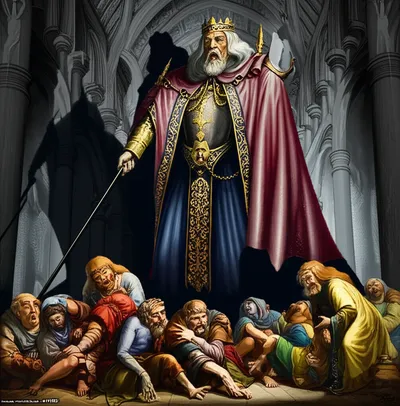


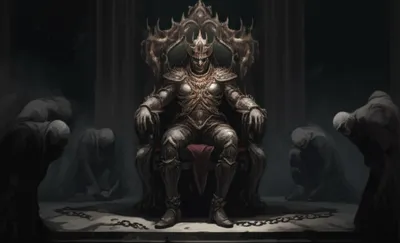
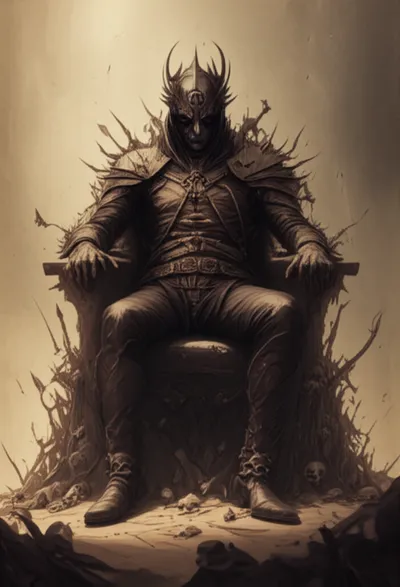
noun🔗ShareBạo chúa, kẻ độc tài. A usurper; one who gains power and rules extralegally, distinguished from kings elevated by election or succession."The new school principal was a tyrant, taking control without any election or approval from the teachers' union. "Hiệu trưởng mới của trường là một bạo chúa, nắm quyền kiểm soát mà không hề có bầu cử hay sự chấp thuận nào từ công đoàn giáo viên.politicsgovernmenthistorystatepersoninhumanChat với AIGame từ vựngLuyện đọc
noun🔗ShareBạo chúa, hôn quân. Any monarch or governor."The school principal, a strict tyrant, enforced strict rules about cell phone use. "Vị hiệu trưởng, một người cai trị độc đoán, đã thi hành những quy định nghiêm ngặt về việc sử dụng điện thoại di động.politicsgovernmentroyalhistoryChat với AIGame từ vựngLuyện đọc
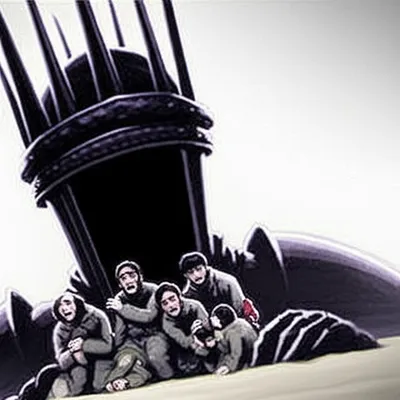
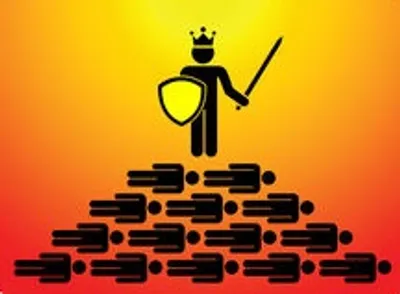
noun🔗ShareBạo chúa, kẻ độc tài. A despot; a ruler who governs unjustly, cruelly, or harshly."The principal became a tyrant, forbidding students from speaking during lunch and issuing harsh punishments for minor infractions. "Ông hiệu trưởng trở thành một bạo chúa, cấm học sinh nói chuyện trong giờ ăn trưa và đưa ra những hình phạt khắc nghiệt cho những lỗi nhỏ.politicsgovernmentcharacterstatehistoryinhumanpersonChat với AIGame từ vựngLuyện đọc
noun🔗ShareBạo chúa, kẻ độc tài, người chuyên quyền. (by extension) Any person who abuses the power of position or office to treat others unjustly, cruelly, or harshly."The manager was a tyrant who yelled at employees for minor mistakes and made them work unpaid overtime. "Ông quản lý là một kẻ độc tài, thường xuyên quát mắng nhân viên vì những lỗi nhỏ nhặt và bắt họ làm thêm giờ không trả lương.politicsgovernmentstatepositionpersoninhumancharacterlawChat với AIGame từ vựngLuyện đọc
noun🔗ShareBạo chúa, kẻ độc tài, người tàn bạo. (by extension) A villain; a person or thing who uses strength or violence to treat others unjustly, cruelly, or harshly."The strict school principal was seen as a tyrant by many students because of his unfair rules and harsh punishments. "Ông hiệu trưởng nghiêm khắc của trường bị nhiều học sinh xem như một kẻ độc tài vì những quy định bất công và hình phạt hà khắc của ông.personinhumangovernmentpoliticscharacterChat với AIGame từ vựngLuyện đọc
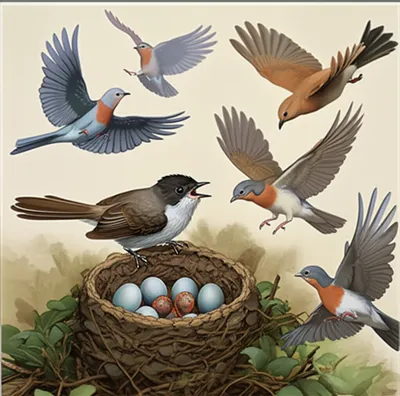
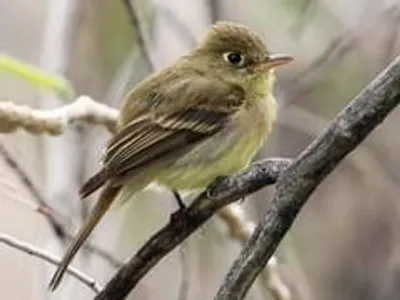
noun🔗ShareBạo chúa. The tyrant bird, members of the family Tyrannidae, which often fight or drive off other birds which approach their nests."The tyrant flycatcher aggressively defended its nest, chasing away smaller birds that came too close. "Chim bắt ruồi bạo chúa bảo vệ tổ rất hung hăng, đuổi hết những con chim nhỏ nào dám đến gần.birdanimalcharacternatureChat với AIGame từ vựngLuyện đọc
verb🔗ShareĐộc đoán, chuyên quyền, bạo ngược. To act like a tyrant; to be tyrannical."The team leader started to tyrant over the project, demanding everyone follow his ideas without question and dismissing any alternative suggestions. "Trưởng nhóm bắt đầu độc đoán, chuyên quyền trong dự án, đòi hỏi mọi người phải làm theo ý của anh ta một cách tuyệt đối và bác bỏ mọi đề xuất khác.politicsgovernmentcharacterinhumanactionChat với AIGame từ vựngLuyện đọc
verb🔗ShareĐàn áp, áp bức, bạo ngược. To tyrannize."The strict teacher tyrannized her students with endless homework assignments. "Cô giáo nghiêm khắc đó đàn áp học sinh của mình bằng cách giao bài tập về nhà không ngừng nghỉ.politicsgovernmentactioninhumanChat với AIGame từ vựngLuyện đọc
adjective🔗ShareĐộc đoán, chuyên quyền, bạo ngược. Tyrannical, tyrannous; like, characteristic of, or in the manner of a tyrant."The teacher's tyrant rule of never allowing bathroom breaks during class made the students miserable. "Việc giáo viên độc đoán cấm học sinh đi vệ sinh trong giờ khiến các em rất khổ sở.politicsgovernmentcharacterinhumanstateChat với AIGame từ vựngLuyện đọc