noun Tải xuống 🔗Chia sẻ Sự lăng mạ, lời xúc phạm, lời nhục mạ. Action or form of speech deliberately intended to be rude; a particular act or statement having this effect. Ví dụ : "Calling someone "stupid" is a direct insult. " Gọi ai đó là "ngu ngốc" là một lời xúc phạm trực tiếp. attitude communication language action statement word human society negative Chat với AIGame từ vựngLuyện đọc
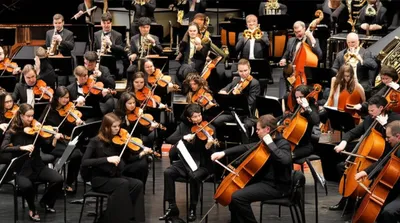
noun Tải xuống 🔗Chia sẻ Sự sỉ nhục, lời lăng mạ, sự xúc phạm. Something that causes offence (for example, by being of an unacceptable quality). Ví dụ : "The way the orchestra performed tonight was an insult to my ears." Cách dàn nhạc trình diễn tối nay thật sự là một sự xúc phạm đến đôi tai của tôi. attitude communication character emotion society human quality Chat với AIGame từ vựngLuyện đọc
noun Tải xuống 🔗Chia sẻ Sự tổn thương, vết thương. Something causing disease or injury to the body or bodily processes; the injury so caused. Ví dụ : "The food poisoning was a serious insult to his digestive system. " Ngộ độc thực phẩm đã gây ra một sự tổn thương nghiêm trọng cho hệ tiêu hóa của anh ấy. disease body Chat với AIGame từ vựngLuyện đọc
noun Tải xuống 🔗Chia sẻ Sự lăng mạ, lời xúc phạm. An assault or attack; (specifically) an assault, attack, or onset carried out without preparation. Ví dụ : "The sudden insult from the bully left Mark feeling humiliated. " Lời lẽ lăng mạ bất ngờ từ kẻ bắt nạt khiến Mark cảm thấy nhục nhã. action word communication Chat với AIGame từ vựngLuyện đọc
noun Tải xuống 🔗Chia sẻ Sự lăng mạ, lời xúc phạm. An act of leaping upon. Ví dụ : "The unexpected insult from her sister made Sarah leap to her feet in anger. " Lời lăng mạ bất ngờ từ em gái khiến Sarah tức giận nhảy dựng lên. action Chat với AIGame từ vựngLuyện đọc
verb Tải xuống 🔗Chia sẻ Xúc phạm, lăng mạ, sỉ nhục. To be insensitive, insolent, or rude to (somebody); to affront or demean (someone). Ví dụ : ""He didn't mean to insult her, but saying her cooking was terrible was definitely rude." " Anh ấy không có ý xúc phạm cô ấy, nhưng nói đồ ăn cô ấy nấu dở tệ thì chắc chắn là khiếm nhã rồi. attitude communication human emotion moral language action character Chat với AIGame từ vựngLuyện đọc
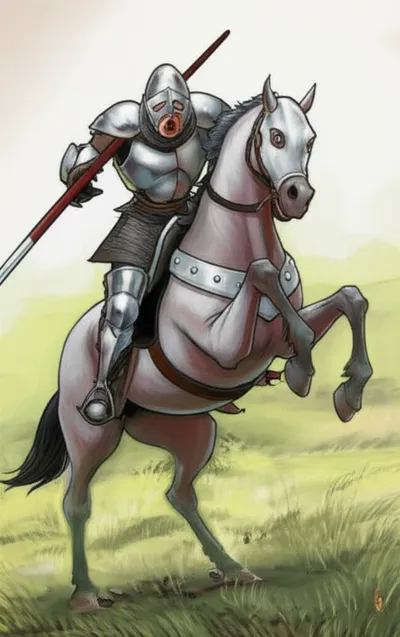
verb Tải xuống 🔗Chia sẻ Sỉ nhục, lăng mạ, xỉ vả. To assail, assault, or attack; (specifically) to carry out an assault, attack, or onset without preparation. Ví dụ : "The opposing army chose to insult our fortified position with a sudden and unexpected artillery barrage, hoping to break our defenses before we were ready. " Quân địch đã chọn cách tấn công bất ngờ vào vị trí phòng thủ kiên cố của chúng ta bằng một loạt pháo dữ dội, hy vọng phá vỡ hàng phòng ngự trước khi chúng ta kịp chuẩn bị. action language communication word Chat với AIGame từ vựngLuyện đọc
verb Tải xuống 🔗Chia sẻ Sỉ nhục, lăng mạ, xấc xược. To behave in an obnoxious and superior manner (against or over someone). Ví dụ : "The older brother would often insult his younger sister by bragging about his grades and calling her "slow." " Người anh trai thường xuyên sỉ nhục em gái bằng cách khoe khoang về điểm số của mình và gọi em là "chậm chạp." attitude character communication emotion moral human person action Chat với AIGame từ vựngLuyện đọc
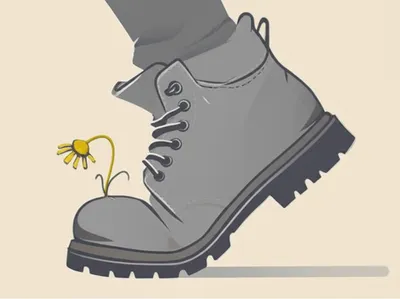
verb Tải xuống 🔗Chia sẻ Xúc phạm, lăng mạ, sỉ nhục. To leap or trample upon. Ví dụ : "The angry child insulted the fallen leaves, stomping on them with his feet. " Đứa trẻ tức giận giẫm đạp lên lá rụng, như thể đang sỉ nhục chúng. action character attitude human Chat với AIGame từ vựngLuyện đọc