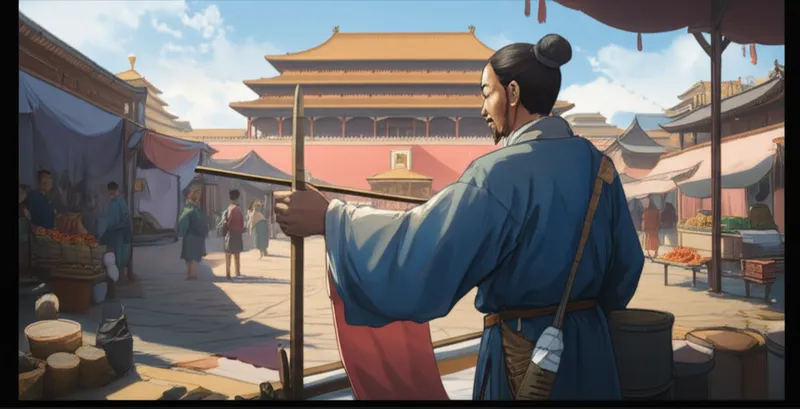


noun🔗ShareDặm, ly. The Chinese mile, a traditional unit of distance equal to 1500 chis or 150 zhangs, now standardized as a half-kilometer (500 meters)."The farmer said the next village was about five li away, which meant it was a two and a half kilometer walk. "Người nông dân nói ngôi làng kế bên cách đây khoảng năm dặm (ly), tức là phải đi bộ hai cây rưỡi.unitculturegeographytraditionhistoryChat với AIGame từ vựngLuyện đọc
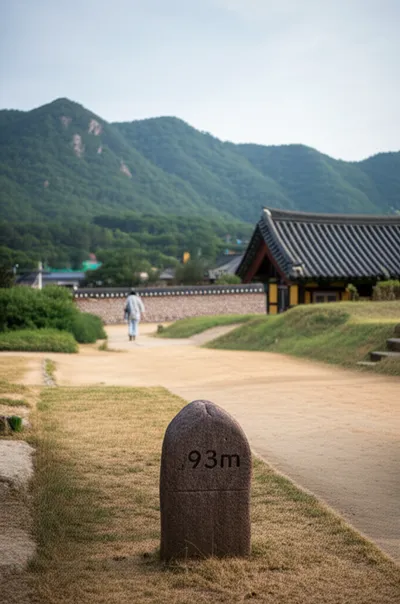
noun🔗ShareLý. The Korean mile, a traditional unit of distance equivalent to about 393 m."The farmer said his field stretched for almost two li, making it quite a walk from one end to the other. "Người nông dân nói rằng cánh đồng của ông ấy trải dài gần hai lý, nên đi bộ từ đầu này sang đầu kia cũng khá xa đấy.unitareaplacegeographytraditionhistoryChat với AIGame từ vựngLuyện đọc
noun🔗ShareLy. A traditional Chinese unit of weight, equal to one-thousandth of a liang, or fifty milligrams."The pharmacist carefully measured 500 li of the powdered herb, knowing that was equivalent to 25 grams. "Người dược sĩ cẩn thận cân đo 500 ly bột thảo dược, vì biết lượng đó tương đương với 25 gram.amountunitmassChat với AIGame từ vựngLuyện đọc
noun🔗ShareLễ, nghi lễ, phép tắc. A meaningful ceremony or ritual; etiquette, behaviour."Respectful students demonstrated proper li by bowing to their teacher before class. "Những học sinh lễ phép thể hiện phép tắc đúng mực bằng cách cúi chào thầy cô trước giờ học.cultureritualphilosophysocietytraditionmoralreligionChat với AIGame từ vựngLuyện đọc
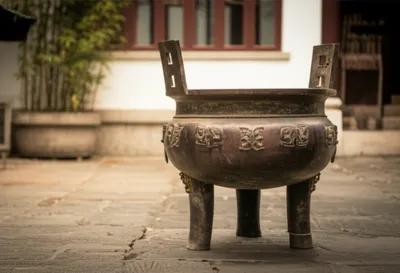
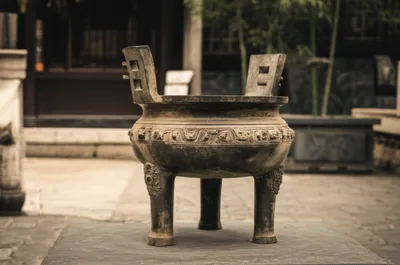
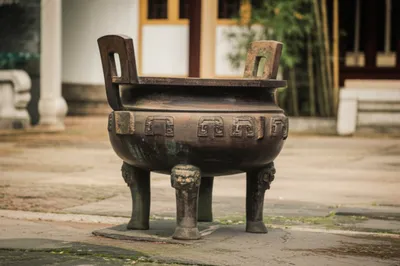
noun🔗ShareLạc. An ancient Chinese cauldron having three hollow legs."The museum displayed a bronze li, its three sturdy legs showing signs of great age. "Viện bảo tàng trưng bày một chiếc lạc bằng đồng, ba chân trụ vững chãi của nó cho thấy dấu hiệu của thời gian.archaeologyculturehistoryutensilChat với AIGame từ vựngLuyện đọc
🔗ShareLý. The Chinese mile, a traditional unit of distance equal to 1500 chis or 150 zhangs, now standardized as a half-kilometer (500 meters)."The marathon runner trained by running several li each day in the park, covering distances of multiple kilometers. "Người chạy marathon luyện tập bằng cách chạy vài lý mỗi ngày trong công viên, tương đương với quãng đường nhiều ki-lô-mét.unitworldculturehistorytraditionareaChat với AIGame từ vựngLuyện đọc
🔗ShareLý (đơn vị đo). The Korean mile, a traditional unit of distance equivalent to about 393 m."The old farmer said his field was about ten li away, which meant it was almost four kilometers from the village. "Ông lão nông nói rằng ruộng của ông cách đây khoảng mười lý, tức là gần bốn ki-lô-mét từ làng.unitplaceculturetraditionhistoryChat với AIGame từ vựngLuyện đọc
🔗ShareLy (đơn vị đo). A traditional Chinese unit of weight, equal to one-thousandth of a liang, or fifty milligrams."The jeweler used a very precise scale to measure the gold dust; each tiny grain weighed only a few li. "Người thợ kim hoàn dùng một cái cân cực kỳ chính xác để đo lượng bụi vàng; mỗi hạt nhỏ xíu chỉ nặng vài ly thôi.massunitChat với AIGame từ vựngLuyện đọc
🔗ShareLễ, nghi lễ, phép tắc, thái độ. A meaningful ceremony or ritual; etiquette, behaviour."The school held a special li to mark the end of the academic year. "Nhà trường đã tổ chức một buổi lễ đặc biệt để đánh dấu sự kết thúc năm học.cultureritualphilosophyreligionsocietymoraltraditionChat với AIGame từ vựngLuyện đọc
🔗ShareLạc. An ancient Chinese cauldron having three hollow legs."The museum displayed a bronze li, its three hollow legs hinting at its ancient use for cooking over a fire. "Viện bảo tàng trưng bày một chiếc lạc bằng đồng, ba chân rỗng của nó gợi ý về việc nó đã từng được dùng để nấu ăn trên lửa từ thời xa xưa.cultureutensilhistoryarchaeologyChat với AIGame từ vựngLuyện đọc
🔗ShareLý The Chinese mile, a traditional unit of distance equal to 1500 chis or 150 zhangs, now standardized as a half-kilometer (500 meters)."The runner jogged two li, about one kilometer, before stopping for water. "Người chạy bộ chạy hai lý, khoảng một ki-lô-mét, trước khi dừng lại uống nước.unitworldculturehistorygeographyChat với AIGame từ vựngLuyện đọc
🔗ShareLý. The Korean mile, a traditional unit of distance equivalent to about 393 m."My grandmother's house is about two li from the market. "Nhà của bà tôi cách chợ khoảng hai lý (mỗi lý tương đương khoảng 393 mét).unitplaceworldhistoryChat với AIGame từ vựngLuyện đọc
🔗ShareLy. A traditional Chinese unit of weight, equal to one-thousandth of a liang, or fifty milligrams."The herbalist measured out three li of powdered ginseng for the tea, a very small amount equivalent to just 150 milligrams. "Người thầy thuốc đông y đã cân ba ly bột nhân sâm để pha trà, một lượng rất nhỏ chỉ tương đương 150 miligam thôi.unitamountmassChat với AIGame từ vựngLuyện đọc
🔗ShareNghi lễ, phép tắc, lễ nghi. A meaningful ceremony or ritual; etiquette, behaviour."Sentence: Respecting elders and using polite language at the family dinner shows good li. "Việc kính trọng người lớn tuổi và dùng lời lẽ lịch sự trong bữa cơm gia đình thể hiện phép tắc lễ nghi tốt.cultureritualphilosophyreligiontraditionmoralChat với AIGame từ vựngLuyện đọc
🔗ShareLò đúc An ancient Chinese cauldron having three hollow legs."The museum displayed a bronze li used for cooking in ancient China, its three hollow legs sturdy despite its age. "Viện bảo tàng trưng bày một chiếc đỉnh đồng (li) dùng để nấu ăn ở Trung Quốc cổ đại, ba chân rỗng của nó vẫn vững chãi dù đã cũ.cultureutensilarchaeologyhistoryChat với AIGame từ vựngLuyện đọc
🔗ShareLý. The Chinese mile, a traditional unit of distance equal to 1500 chis or 150 zhangs, now standardized as a half-kilometer (500 meters)."The runner trained by running ten li each morning, a distance equal to five kilometers. "Mỗi sáng, vận động viên đó luyện tập bằng cách chạy mười lý, một quãng đường tương đương năm kilômét.unitworldculturehistorytraditionChat với AIGame từ vựngLuyện đọc
🔗ShareLý (đơn vị đo khoảng cách của Triều Tiên). The Korean mile, a traditional unit of distance equivalent to about 393 m."My grandfather said the next village was only ten li away, so about four kilometers. "Ông tôi bảo làng kế bên chỉ cách mười lý thôi, tức là khoảng bốn ki-lô-mét.unitplaceculturetraditionChat với AIGame từ vựngLuyện đọc
🔗ShareLy. A traditional Chinese unit of weight, equal to one-thousandth of a liang, or fifty milligrams."The antique scale was so precise, it could measure ingredients in li, a unit of weight smaller than a grain of rice. "Cái cân cổ kia chính xác đến nỗi có thể đo các thành phần theo ly, một đơn vị đo trọng lượng nhỏ hơn cả một hạt gạo.amountunitmassChat với AIGame từ vựngLuyện đọc
🔗ShareLễ, nghi lễ, phép tắc, thái độ. A meaningful ceremony or ritual; etiquette, behaviour."Sentence: In traditional Chinese culture, serving tea to elders is a part of li, showing respect and gratitude. "Trong văn hóa truyền thống Trung Quốc, việc rót trà cho người lớn tuổi là một phần của lễ, thể hiện sự tôn trọng và lòng biết ơn.cultureritualphilosophysocietytraditionmoralChat với AIGame từ vựngLuyện đọc
🔗ShareLị. An ancient Chinese cauldron having three hollow legs."The museum displayed a bronze li used for cooking food in ancient China. "Viện bảo tàng trưng bày một chiếc lị bằng đồng, một loại vạc cổ ba chân của Trung Quốc dùng để nấu thức ăn.culturearchaeologyutensilhistoryChat với AIGame từ vựngLuyện đọc
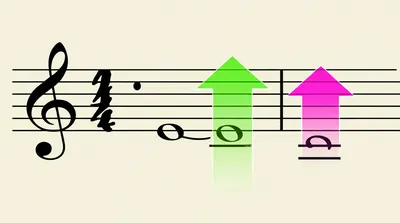
noun🔗ShareSi thăng. In solfège, the raised sixth note of a major scale (the note A-sharp in the fixed-do system)."In music class, the teacher explained that the "li" note is higher than the standard A. "Trong lớp âm nhạc, giáo viên giải thích rằng nốt "li" (Si thăng) cao hơn nốt La bình thường.musicsoundChat với AIGame từ vựngLuyện đọc