

abstract
Định nghĩa



Sự tóm tắt, bản tóm tắt, cái trừu tượng.
Ví dụ :



Tính trừu tượng, điều trừu tượng.
Ví dụ :


Tóm tắt quyền sở hữu.
Ví dụ :

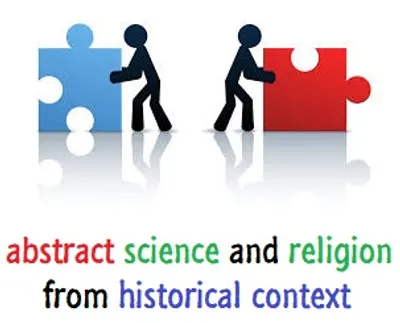




Trừu tượng hóa, khái quát hóa, tóm lược.
To conceptualize an ideal subgroup by means of the generalization of an attribute, as follows: by apprehending an attribute inherent to one individual, then separating that attribute and contemplating it by itself, then conceiving of that attribute as a general quality, then despecifying that conceived quality with respect to several or many individuals, and by then ideating a group composed of those individuals perceived to possess said quality.
Ví dụ :
"The teacher abstracted the concept of "responsibility" from the example of a student helping her classmates, then generalized it to apply to other students in the class, and thus defined a group of responsible students. "
Cô giáo đã trừu tượng hóa khái niệm "trách nhiệm" từ ví dụ một học sinh giúp đỡ bạn cùng lớp, sau đó khái quát hóa nó để áp dụng cho các học sinh khác trong lớp, và từ đó định nghĩa một nhóm học sinh có tinh thần trách nhiệm.


Tách rời, trừu tượng hóa.
Ví dụ :


Ví dụ :
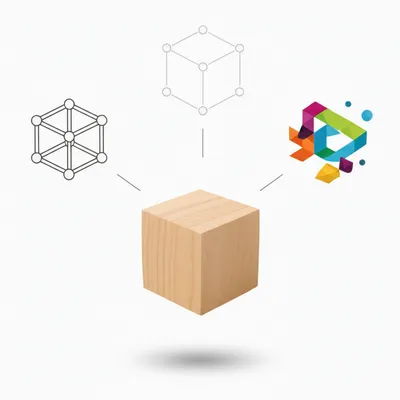
Trừu tượng hóa, khái quát hóa.
Ví dụ :




Trừu tượng, khái niệm.
Ví dụ :
"The teacher's lecture on the history of art was very abstract; it didn't focus on specific paintings or artists, but on general ideas about beauty and creativity. "
Bài giảng của giáo viên về lịch sử nghệ thuật rất trừu tượng; nó không tập trung vào những bức tranh hay họa sĩ cụ thể nào, mà chỉ nói về những ý tưởng chung chung về cái đẹp và sự sáng tạo.


Trừu tượng, thuộc tính.
Separately expressing a property or attribute of an object that is considered to be inherent to that object: attributive, ascriptive.
Ví dụ :

Trừu tượng, khái quát.
Ví dụ :


Trừu tượng.
Ví dụ :


Trừu tượng, khó hiểu, lý thuyết suông.
Ví dụ :



Trừu tượng
Ví dụ :
"The `abstract` class for "Vehicle" in our programming project only defined general features like "has wheels" and "needs fuel." Subclasses like "Car" and "Motorcycle" would then add specific details. "
Trong dự án lập trình của chúng ta, lớp `trừu tượng` "Phương tiện" chỉ định nghĩa những đặc điểm chung như "có bánh xe" và "cần nhiên liệu". Các lớp con như "Ô tô" và "Xe máy" sau đó sẽ thêm các chi tiết cụ thể.
Từ liên quan

responsibility noun
/ɹɪˌspɑnsəˈbɪlɪɾi/
Trách nhiệm, bổn phận, nghĩa vụ.
"Responsibility is a heavy burden."
Trách nhiệm là một gánh nặng lớn.

representational adjective
/ˌrɛprɪzɛnˈteɪʃənəl/ /ˌrɛprɪzɛnˈteɪʃnəl/
Mang tính đại diện, tiêu biểu.

contemplating verb
/ˈkɑntəmˌpleɪtɪŋ/ /ˈkɑntəmpleɪtɪŋ/
Suy ngẫm, nghiền ngẫm, ngẫm nghĩ.

theoretically adverb
/ˌθiːəˈrɛtɪkli/ /ˌθɪəˈrɛtɪkli/
Về mặt lý thuyết, trên lý thuyết.



relationships noun
/rɪˈleɪʃənʃɪps/ /rɪˈleɪʃʌnʃɪps/
Mối quan hệ, liên hệ, sự liên kết.
Việc xây dựng mối quan hệ tốt với bạn học có thể giúp việc học trở nên thú vị hơn.
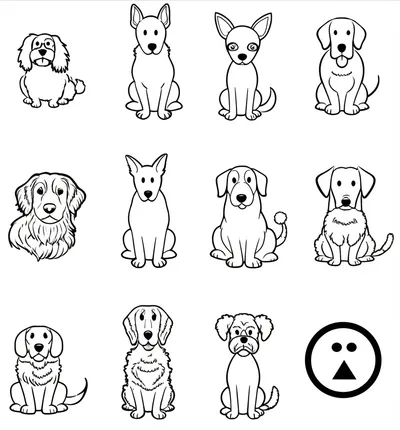
generalization noun
/ˌdʒɛnərələˈzeɪʃən/ /ˌdʒɛnərəlɪˈzeɪʃən/
Sự khái quát hóa, sự tổng quát hóa.

conceptualize verb
/kənˈsɛptʃuəˌlaɪz/ /kənˈsɛptʃəˌlaɪz/
Hình thành khái niệm, khái niệm hóa, quan niệm.