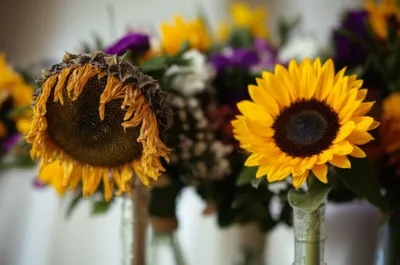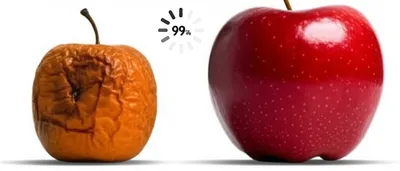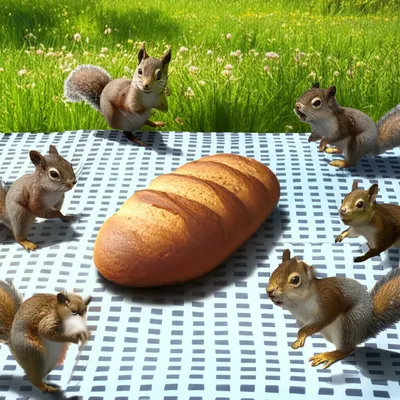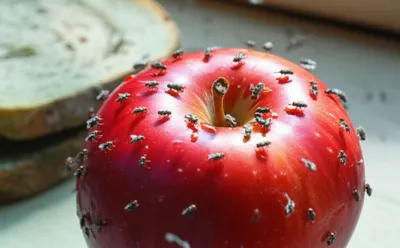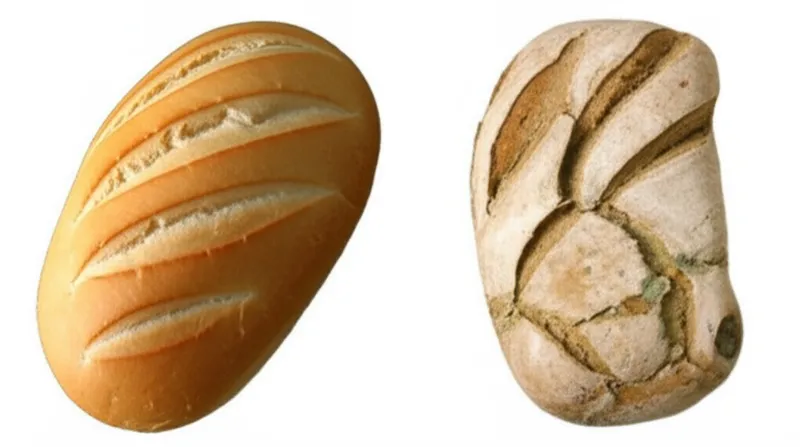

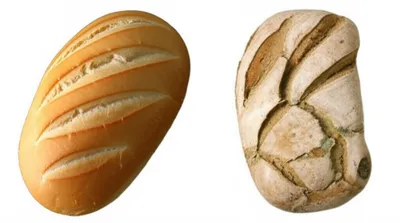
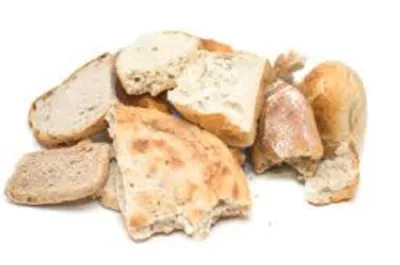

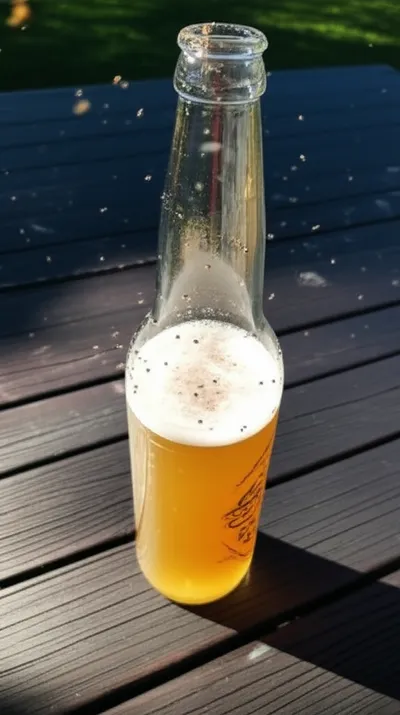
noun🔗ShareĐồ cũ, bánh mì cũ. Something stale; a loaf of bread or the like that is no longer fresh."The stale bread was left on the counter, so we didn't eat it for lunch. "Ổ bánh mì cũ để trên bàn bếp, nên chúng tôi không ăn nó vào bữa trưa.foodconditionChat với AIGame từ vựngLuyện đọc
verb🔗ShareĐể lâu, làm cũ, ủ cho lên men. (of alcohol) To make stale; to age in order to clear and strengthen (a drink, especially beer)."The brewer will stale the ale in oak casks for six months to improve its clarity and potency before selling it. "Người nấu bia sẽ ủ loại bia ale trong thùng gỗ sồi sáu tháng để làm trong và tăng độ mạnh trước khi bán.drinkfoodprocessChat với AIGame từ vựngLuyện đọc
verb🔗ShareCũ, làm cũ, lỗi thời, làm mất hay. To make stale; to cause to go out of fashion or currency; to diminish the novelty or interest of, particularly by excessive exposure or consumption."The constant repetition of the same math problems in class staleled the students' interest in the subject. "Việc lặp đi lặp lại các bài toán giống nhau trong lớp đã làm cho học sinh mất hứng thú với môn học.stylefoodentertainmentmediacultureChat với AIGame từ vựngLuyện đọc
verb🔗ShareCũ, thiu, mất tươi. To become stale; to grow odious from excessive exposure or consumption."The constant repetition of the same lunch menu at school made the sandwiches stale. "Việc lặp đi lặp lại thực đơn ăn trưa ở trường khiến cho mấy cái bánh mì trở nên ngán ngẩm.foodconditionChat với AIGame từ vựngLuyện đọc
verb🔗ShareThiếu tươi, cũ, mất ngon. (alcohol) To become stale; to grow unpleasant from age."The wine had stale over the past few months, losing its flavour and becoming unpleasant to drink. "Rượu đã bị cũ đi mấy tháng nay, mất hết hương vị và trở nên khó uống.drinkfoodchemistryChat với AIGame từ vựngLuyện đọc
adjective🔗ShareĐể lâu, cũ. (alcohol) Clear, free of dregs and lees; old and strong."The cellar held bottles of stale ale, aged for decades and potent enough to knock you off your feet. "Hầm rượu chứa những chai bia ale để lâu năm, ủ hàng thập kỷ và mạnh đến mức có thể quật ngã bạn.drinkagefoodChat với AIGame từ vựngLuyện đọc
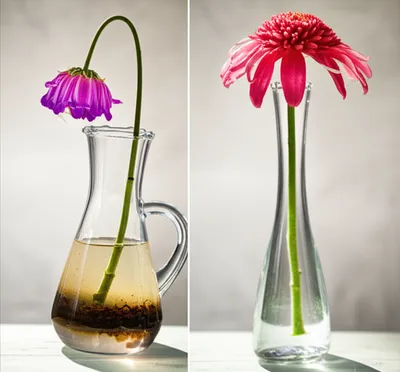
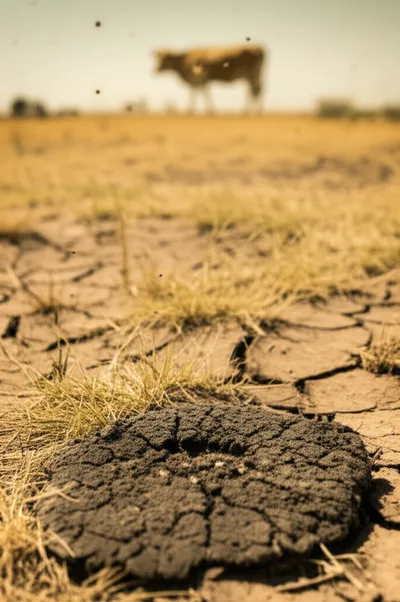
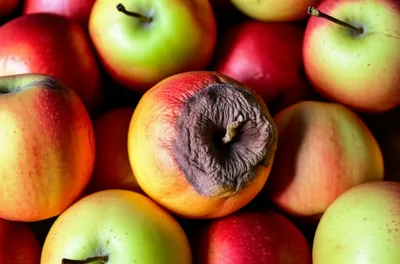
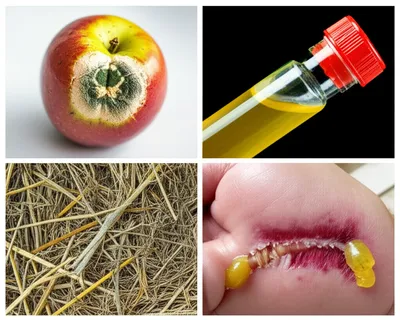
adjective🔗ShareCũ, ôi, thiu. No longer fresh, in reference to food, urine, straw, wounds, etc."The bread was stale, so I didn't eat it for breakfast. "Bánh mì bị cũ (ôi) rồi nên tôi không ăn sáng.foodconditionChat với AIGame từ vựngLuyện đọc
adjective🔗ShareCũ rích, sáo rỗng, lỗi thời. No longer fresh, new, or interesting, in reference to ideas and immaterial things; cliche, hackneyed, dated."The comedian's jokes were stale and predictable, so the audience didn't laugh. "Những câu chuyện cười của diễn viên hài đó cũ rích và dễ đoán quá nên khán giả chẳng ai cười cả.stylelanguagemindqualityChat với AIGame từ vựngLuyện đọc
adjective🔗ShareẾ, quá lứa, hết xuân. No longer nubile or suitable for marriage, in reference to people; past one's prime."Aunt Agnes, though charming, was considered stale by the neighborhood matchmakers; she was simply no longer considered a suitable candidate for marriage. "Dì Agnes, dù rất duyên dáng, vẫn bị các bà mối trong khu phố coi là "ế" rồi; đơn giản là dì không còn được xem là một đối tượng kết hôn phù hợp nữa.agepersonfamilysexChat với AIGame từ vựngLuyện đọc
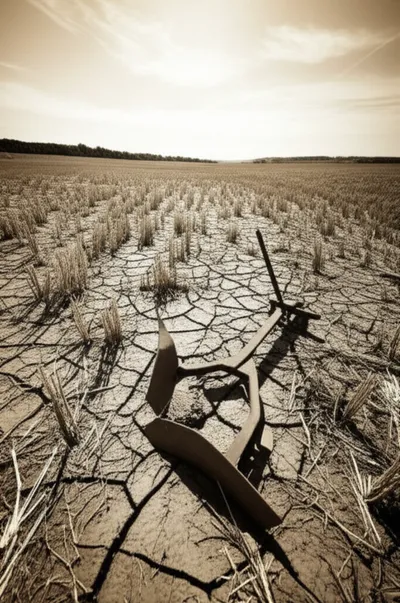
adjective🔗ShareBỏ hoang. Fallow, in reference to land."After years of yielding poor harvests, the farmer decided to let the field lie stale for a season to replenish its nutrients. "Sau nhiều năm thu hoạch kém, người nông dân quyết định bỏ hoang cánh đồng đó một vụ để đất phục hồi chất dinh dưỡng.agricultureChat với AIGame từ vựngLuyện đọc
adjective🔗ShareCũ rích, để lâu. Unreasonably long in coming, in reference to claims and actions."a stale affidavit"Một bản khai có tuyên thệ đã cũ rích.lawpoliticsactionattitudetimeChat với AIGame từ vựngLuyện đọc
adjective🔗ShareCũ, để lâu, không tươi. Taking a long time to change"The political debate on healthcare has been a stale issue, dragging on for years without significant progress. "Cuộc tranh luận chính trị về vấn đề chăm sóc sức khỏe là một vấn đề cũ rích, kéo dài nhiều năm mà không có tiến triển đáng kể.timeconditionChat với AIGame từ vựngLuyện đọc
adjective🔗ShareHết hơi, xuống sức. Worn out, particularly due to age or over-exertion, in reference to athletes and animals in competition."The marathon runner felt stale after weeks of intense training. "Sau nhiều tuần luyện tập khắc nghiệt, vận động viên chạy marathon cảm thấy mình đã hết hơi.sportanimalphysiologyconditionChat với AIGame từ vựngLuyện đọc
adjective🔗ShareQuá hạn, để lâu. Out of date, unpaid for an unreasonable amount of time, particularly in reference to checks.""The cashier wouldn't accept the check because it was six months old and considered stale." "Nhân viên thu ngân không chịu nhận tấm séc đó vì nó đã sáu tháng rồi và bị coi là quá hạn.businessfinanceChat với AIGame từ vựngLuyện đọc
adjective🔗ShareLỗi thời, hết hạn. Of data: out of date; not synchronized with the newest copy."The bug was found to be caused by stale data in the cache."Lỗi được phát hiện là do dữ liệu trong bộ nhớ đệm đã lỗi thời.computingtechnologyinternetinfoChat với AIGame từ vựngLuyện đọc
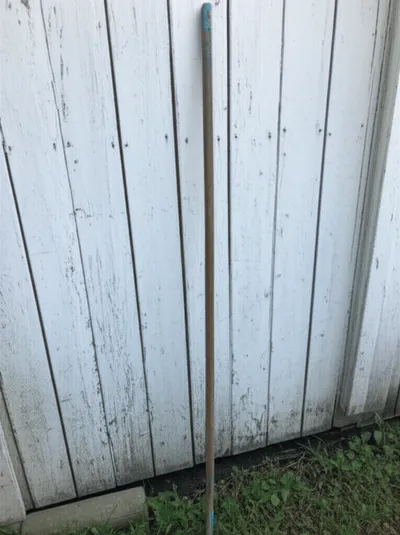
noun🔗ShareCán, chuôi. A long, thin handle (of rakes, axes, etc.)"The farmer gripped the stale of his hoe, ready to till the field before the sun got too high. "Người nông dân nắm chặt cán cuốc, sẵn sàng cày ruộng trước khi mặt trời lên quá cao.partutensilChat với AIGame từ vựngLuyện đọc
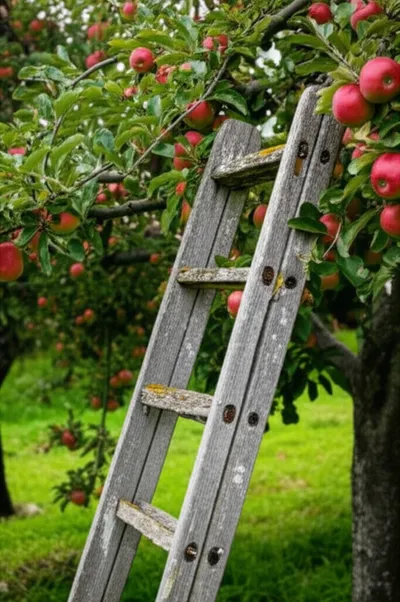
noun🔗ShareThang. The posts and rungs composing a ladder."The carpenter carefully inspected the stale of the ladder before starting repairs. "Người thợ mộc cẩn thận kiểm tra từng bậc thang của cái thang trước khi bắt đầu sửa chữa.architecturepartbuildingChat với AIGame từ vựngLuyện đọc
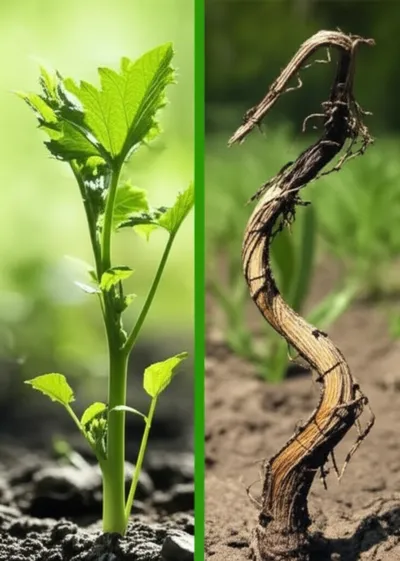
noun🔗ShareCọng cây. The stem of a plant."The plant's stale was too short to support the weight of the flower. "Cọng cây của cây đó quá ngắn nên không đỡ được sức nặng của bông hoa.plantpartbiologyChat với AIGame từ vựngLuyện đọc
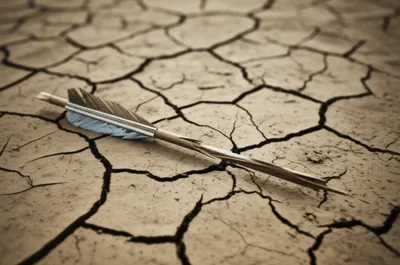
noun🔗ShareCán, chuôi. The shaft of an arrow, spear, etc."The craftsman carefully examined the stale of the newly made arrow for any imperfections. "Người thợ thủ công cẩn thận kiểm tra cán của mũi tên mới làm để tìm xem có lỗi nào không.weaponpartChat với AIGame từ vựngLuyện đọc
verb🔗ShareTo make a ladder by joining rungs ("stales") between the posts."The carpenter stale the ladder for the repair job, joining the rungs between the wooden posts. "Để sửa chữa, người thợ mộc đã làm thang bằng cách đóng các bậc thang vào giữa hai trụ gỗ.architecturestructurebuildingChat với AIGame từ vựngLuyện đọc
noun🔗ShareVị trí cố định. A fixed position, particularly a soldier's in a battle-line."The soldiers maintained their stale, awaiting the signal to advance. "Các người lính giữ vững vị trí cố định của mình, chờ đợi hiệu lệnh tấn công.militarypositionwarChat với AIGame từ vựngLuyện đọc
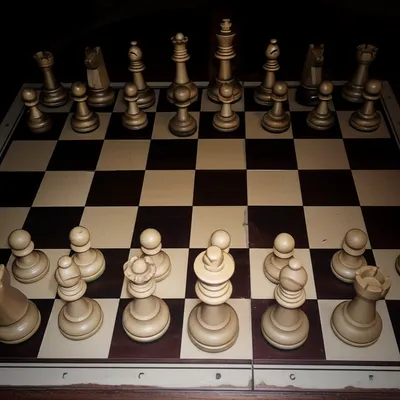
noun🔗ShareThế trận bế tắc, ván cờ bế tắc. A stalemate; a stalemated game."The chess match ended in a stale after two hours, neither player able to make a winning move. "Ván cờ vua kết thúc trong thế bế tắc sau hai giờ, không ai đi được nước nào để giành chiến thắng.gameChat với AIGame từ vựngLuyện đọc
noun🔗ShareỔ phục kích, cuộc phục kích An ambush."The rebels prepared a stale in the forest, hoping to surprise the approaching soldiers. "Quân nổi dậy chuẩn bị một ổ phục kích trong rừng, hy vọng sẽ tập kích bất ngờ những người lính đang tiến đến.militarywaractionChat với AIGame từ vựngLuyện đọc
noun🔗ShareĐoàn người vũ trang, nhóm người đi săn. A band of armed men or hunters."The local farmers formed a stale to protect their crops from the wild boar. "Những người nông dân địa phương đã thành lập một đoàn người vũ trang để bảo vệ mùa màng khỏi lợn rừng.militarygroupChat với AIGame từ vựngLuyện đọc
noun🔗ShareThe main force of an army."The stale of the army's invasion force marched toward the city. "militaryChat với AIGame từ vựngLuyện đọc
verb🔗ShareBế tắc, đi vào bế tắc. To stalemate."The negotiations between the teachers and the school board stale because neither side would compromise. "Cuộc đàm phán giữa giáo viên và hội đồng nhà trường đi vào bế tắc vì không bên nào chịu nhượng bộ.gamesportstateChat với AIGame từ vựngLuyện đọc
verb🔗ShareBế tắc, rơi vào bế tắc. To be stalemated."The debate about who gets the last slice of pizza completely stalled; the discussion became stale. "Cuộc tranh cãi về ai được ăn miếng pizza cuối cùng hoàn toàn bế tắc; cuộc thảo luận trở nên rơi vào bế tắc.statepoliticsgovernmentsituationChat với AIGame từ vựngLuyện đọc
adjective🔗ShareBế tắc, đình trệ. At a standstill; stalemated."The project was stale; no new ideas were being generated. "Dự án bị bế tắc, không có ý tưởng mới nào được đưa ra.conditionsituationChat với AIGame từ vựngLuyện đọc
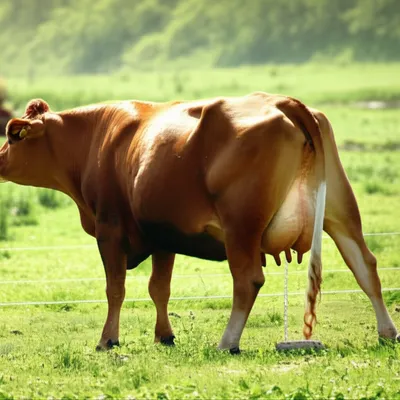
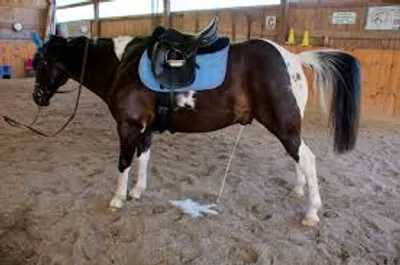
noun🔗ShareNước tiểu (của gia súc). (livestock) Urine, especially used of horses and cattle."The farmer carefully avoided the area where the horses had deposited their stale. "Người nông dân cẩn thận tránh xa khu vực nơi những con ngựa đã thải nước tiểu.animalphysiologyagriculturebiologyChat với AIGame từ vựngLuyện đọc
verb🔗ShareĐái, đi tiểu (ở gia súc). (livestock) To urinate, especially used of horses and cattle."The old mare will often stale right after she finishes drinking from the trough. "Con ngựa già thường đái ngay sau khi uống nước từ máng xong.animalphysiologyChat với AIGame từ vựngLuyện đọc
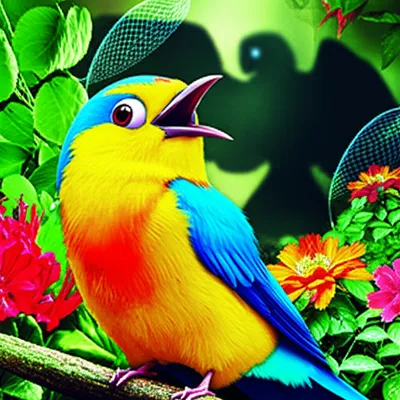
noun🔗ShareChim mồi. A live bird to lure birds of prey or others of its kind into a trap."The falconer carefully positioned the stale, hoping its calls would attract a wild hawk. "Người huấn luyện chim ưng cẩn thận đặt con chim mồi vào vị trí, hy vọng tiếng kêu của nó sẽ dụ được một con diều hâu hoang dã.animalbirdChat với AIGame từ vựngLuyện đọc
noun🔗ShareMồi nhử, vật mồi. Any lure, particularly in reference to people used as live bait."The detective used the young man as a stale, hoping to catch the real criminal. "Để bắt được tên tội phạm thật sự, thám tử đã dùng chàng trai trẻ làm mồi nhử.humanpersonChat với AIGame từ vựngLuyện đọc
noun🔗ShareMồi nhử, kẻ nhử mồi. An accomplice of a thief or criminal acting as bait."The police arrested the thief and his stale, who had lured the victim into the trap. "Cảnh sát đã bắt tên trộm và kẻ nhử mồi của hắn, kẻ đã dụ dỗ nạn nhân vào tròng.policepersonjobChat với AIGame từ vựngLuyện đọc
noun🔗ShareNgười bị phụ tình, kẻ thất tình. A partner whose beloved abandons or torments him in favor of another."After Sarah broke up with him, Mark felt like a stale; he was left feeling unwanted and rejected. "Sau khi Sarah chia tay, Mark cảm thấy mình như một kẻ thất tình; anh cảm thấy mình không còn được ai muốn và bị từ chối.personliteraturecharacterhumansufferingemotionstoryChat với AIGame từ vựngLuyện đọc
noun🔗ShareQuân cờ, con tốt thí, kẻ bị lợi dụng. A patsy, a pawn, someone used under some false pretext to forward another's (usu. sinister) designs; a stalking horse."The new student was a stale for the popular group's plan to disrupt the school elections. "Cậu học sinh mới là một quân cờ bị nhóm nổi tiếng lợi dụng trong kế hoạch phá rối cuộc bầu cử ở trường.personcharacterpoliticsjobChat với AIGame từ vựngLuyện đọc
noun🔗ShareGái điếm hạ cấp, đĩ thõa. A prostitute of the lowest sort; any wanton woman.sexpersonhumansocietyChat với AIGame từ vựngLuyện đọc
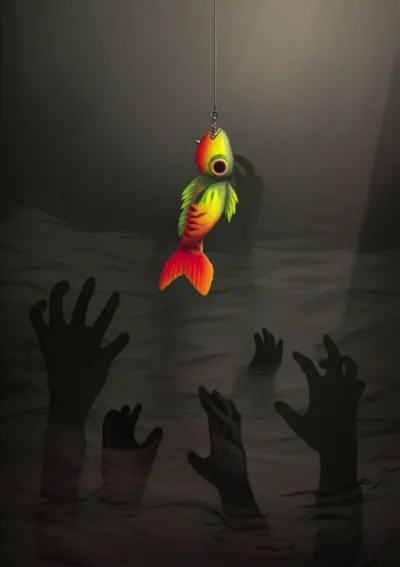
noun🔗ShareMồi nhử. Any decoy, either stuffed or manufactured."The hunter placed a stale in the field to attract ducks. "Người thợ săn đặt một con mồi nhử trên cánh đồng để dụ vịt đến.animalthinggameChat với AIGame từ vựngLuyện đọc
verb🔗ShareNhử, dụ. To serve as a decoy, to lure."The thief stalled the security guard by stale-ing a bag of garbage near the exit. "Tên trộm nhử bảo vệ bằng cách vờ vứt một túi rác gần lối ra để đánh lạc hướng.actionanimalgameChat với AIGame từ vựngLuyện đọc